The infamous Moore Park rapist, who stalked and attacked eight women in the 1990s, has told his victims he didn’t turn himself in because he was “a coward and afraid of the ramifications” facing himself and his family – and claimed he has turned Buddhist to make peace with his crimes.
asserted
he → stalk → crimes
Glenn Gary Cameron, 62, was arrested in Sydney in February 2024, more than 30 years after the trail went cold for the man known as “Night Stalker” or “Moore Park rapist”.
asserted
trail → arrest → Stalker
The attacker, from 1991, approached women in Surry Hills, Moore Park and across the inner west claiming to be a police officer or art student searching for a model.
asserted
attacker → approach → model
He would then hold a knife to his victims and force them into alleyways.
asserted
He → hold → alleyways
Cameron, on Monday, gave evidence at his own sentence hearing in the NSW District Court via videolink.
asserted
Cameron → give → videolink
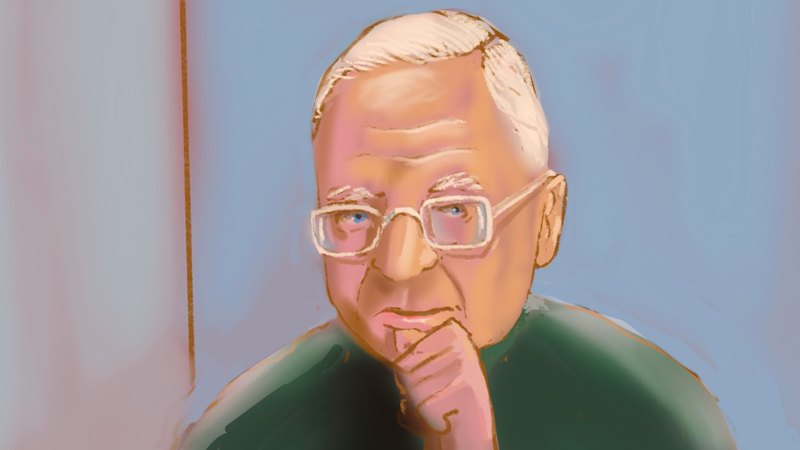
Cameron, white haired and in prison greens, cried telling the court about his abused childhood, his drug-addled earlier years and said he had become a Buddhist in recent years.
‘I perpetrated some of society’s most heinous crimes.’Gleen Gary Cameron, the Moore Park rapist
“I’m not saying I’m … by any means an angel,” he told the court.
“
asserted
he → cry → court
I tried Christianity but I couldn’t grasp it...
asserted
I → try → it
I wanted to understand where I came from, to where I got to.”
asserted
I → want → where
“I don’t want what I did to those people to be the cause of me going back to what I was.”
asserted
I → want → people
Cameron was asked if he had thought about the impact he had on his victims.
“If I could have a dollar for every time I’d thought of the cycle this creates,” Cameron said.
uncertain
Cameron → ask → cycle
“I don’t know why I did what I did, I just know I was angry and looking for people to blame.
asserted
I → know → people
But all along I only had myself to blame, and that’s why I’m here now.”
asserted
I → have → myself
Cameron had left DNA on the skirt of his first victim, but the police investigation to find him had fizzled out in 1993 without identifying a suspect.
asserted
investigation → leave → suspect
In 2022, the case was re-opened, and the DNA sample was run through a national database.
asserted
sample → re → database
It produced a familial match, one of the offender’s children.
asserted
It → produce → children
The match led police to a funeral home in Alice Springs, where Cameron worked as a director.
asserted
Cameron → lead → director
Cameron was flying to Thailand and stopping in Sydney on the way.
asserted
Cameron → fly → way
Police watched him drink a schooner at the airport and seized the glass for DNA testing.
asserted
him → watch → testing
They raided Cameron’s hotel room, seized items, and found a match to the DNA sample from his first victim.
asserted
They → raid → victim
Last year, he pleaded guilty to 13 counts including aggravated indecent assault.
asserted
he → plead → assault
Cameron’s barrister read out a letter he had penned.
asserted
he → read → letter
“I perpetrated some of society’s most heinous crimes,” Cameron wrote.
asserted
Cameron → perpetrate → crimes
“I wish I could explain my actions to my victims and the people I have hurt to help bring some sort of closure to the pain, but I really can’t.”
uncertain
I → wish → pain
“I know many people will say he is only sorry because he was caught.
asserted
he → know → ?
This may be true in many cases, but I can only say for myself that in my case, nothing can be further from the truth.”
uncertain
nothing → say → truth
Cameron said he always recoiled when people praised him because he knew, deep down, he wasn’t a good person.
asserted
he → say → him
He would “feel a kind of sadness” when he saw families living good lives because he knew he “had destroyed those days of happiness for others”.
asserted
he → feel → others
‘I knew deep down that morally I should have gone to the police and present myself, but the truth is I was a coward.’Glenn
asserted
I → know → myself
Cameron said he often thought about confiding in others about his offences.
asserted
he → say → offences
And knew he should have gone to police.
asserted
he → know → police
“I knew deep down that morally I should have gone to the police and present myself, but the truth is I was a coward and afraid of the ramifications not only on myself and my family but also for my victims
asserted
I → know → victims
,” he said.
“Many years had passed and I was not sure if they had maybe wanted to keep what had happened a secret.
“There was a big risk of bringing shame back onto them.
asserted
what → say → them
I had already hurt them enough.”
asserted
I → hurt → them
Cameron said he hoped his arrest would bring them some closure, and claimed he couldn’t remember much of what he had done to them.
asserted
he → say → them
“I’m not sure if it’s because of the substance abuse I was engaged in at the time of my offending or the length of time since the attack.
asserted
I → ’m → attack
But what I do know is that I’m guilty and even if I don’t recall everything it doesn’t mean I did not do such things,” he said.
asserted
he → know → things
The sentence hearing continues.
asserted
hearing → continue → ?
 The Aporia