The heart, brain, muscles and blood vessels change together, yet medical research has often studied them separately.
asserted
research → change → them
A new five-year research project at Cedars-Sinai is taking a broader view, investigating whether damage to the body’s smallest blood vessels could help explain several health challenges women face as they grow older.
uncertain
they → take → challenges
Backed by a $7.5 million grant from the National Institutes of Health (NIH) and the National Institute on Aging (NIA), the study brings together specialists in cardiovascular health, neurology, biostatistics and frailty research.
asserted
study → back → health
At its centre is a question with implications far beyond cardiology: could understanding tiny blood vessels reveal new ways to protect the ageing heart, brain and body?
uncertain
understanding → understand → heart
Looking beyond the heart
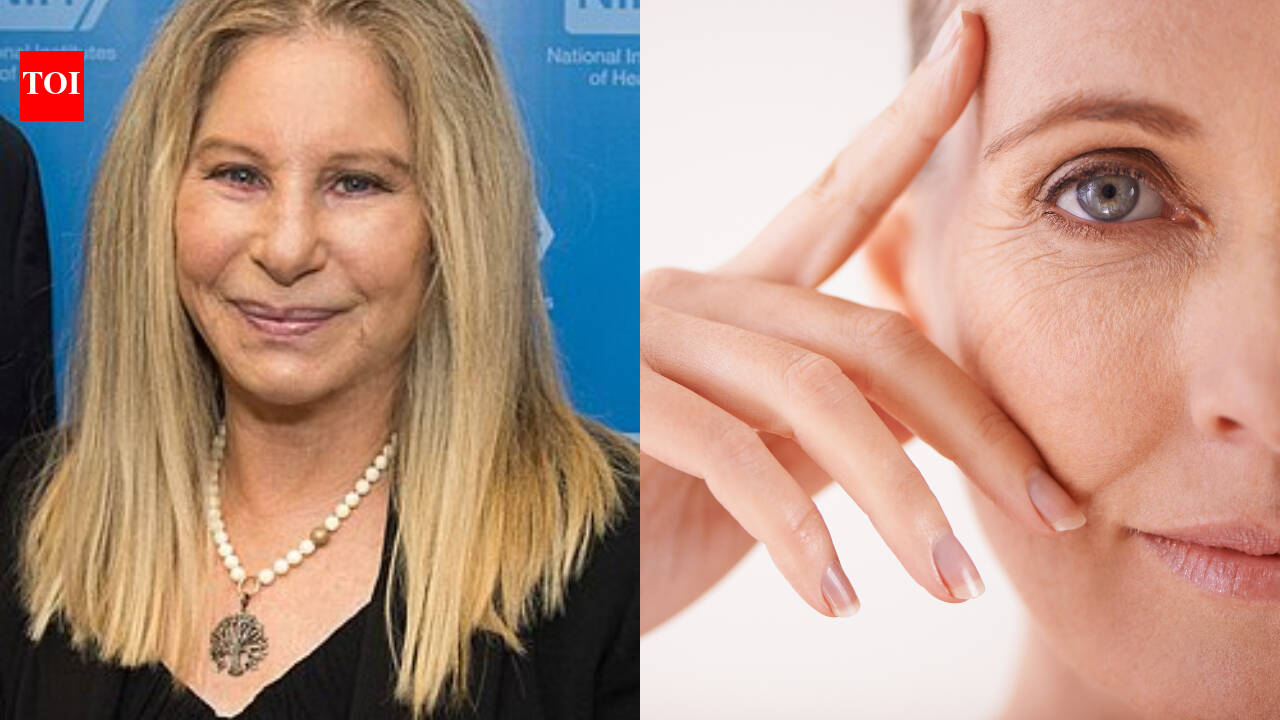
The research is being led by investigators at the Smidt Heart Institute’s Barbra Streisand Women’s Heart Center, named after the legendary singer and actor following her $10 million donation to Cedars-Sinai.
asserted
research → look → Sinai
The new initiative, known as the Microvascular Aging Effects—Women’s Evaluation of Systemic Aging Tenacity in Heart, Brain and Frailty study, or MAE-WEST HBF, has been established as a Specialized Center of Research Excellence on Sex Differences through the NIH Office of Research on Women’s Health.
asserted
initiative → know → Health
Its focus is the microvasculature: the network of tiny blood vessels that delivers oxygen and nutrients throughout the body.
asserted
that → deliver → body
Researchers want to understand how deterioration in these vessels may connect not only to cardiovascular disease but also to cognitive decline and reduced physical strength.
uncertain
deterioration → want → decline
The project builds on years of work at Cedars-Sinai examining coronary microvascular disease, a condition that affects the smallest blood vessels supplying the heart and is more common in women.
asserted
that → build → women
Previous research from the Barbra Streisand Women’s Heart Center has linked small-vessel disease, chronic inflammation and iron accumulation with impaired function in the heart, brain and kidneys, alongside declining physical strength.
asserted
research → link → strength
That history gives the new study a strong foundation.
asserted
history → give → foundation
Rather than examining individual conditions in isolation, researchers will explore whether they share underlying biological pathways.
asserted
they → examine → pathways
The distinction is important because women can experience cardiovascular symptoms that are less obvious than the classic signs associated with heart disease.
asserted
that → experience → disease
Microvascular disease has historically been overlooked or mistaken for other conditions, leaving some patients without appropriate diagnosis or treatment.
asserted
disease → overlook → diagnosis
Connecting heart, brain and mobility
MAE-WEST HBF brings together a multidisciplinary team to investigate what happens beyond the cardiovascular system.
asserted
what → connect → system
Neurology researchers at Cedars-Sinai will examine the relationship between small-vessel damage and brain health, while collaborators at UCLA will handle biostatistical analysis.
asserted
collaborators → examine → analysis
Researchers at the University of Texas at Arlington will focus on frailty and physical function.
asserted
Researchers → focus → frailty
The ambition is to understand whether a problem in the smallest vessels can set off a wider chain of age-related changes.
asserted
problem → understand → changes
If researchers can establish those connections, the findings could eventually influence how doctors screen for risk and identify people who may be vulnerable to several conditions at once.
uncertain
who → establish → conditions
Rethinking healthy ageing
Women generally live longer than men, but longevity does not necessarily mean more years in good health.
asserted
longevity → rethink → health
Women also experience higher rates of chronic illness, meaning a longer lifespan can include more time living with disability or declining function.
asserted
lifespan → experience → disability
That makes prevention particularly important.
asserted
prevention → make → ?
The researchers envision a future where healthy ageing involves earlier screening, better imaging and more personalised preventive care, identifying biological risks before they develop into major disease.
asserted
they → envision → disease
The study also reflects a broader shift in women's health research: moving away from treating individual organs as separate systems and towards understanding how the body ages as a whole.
asserted
body → reflect → whole
After decades of research into women's cardiovascular health, the latest initiative aims to connect three crucial measures of wellbeing healthy heart, a functioning brain and the ability to remain physically strong and independent.
asserted
initiative → aim → wellbeing
 The Aporia