Assistant Treasurer Daniel Mulino has conceded the government knew as early as July that the Australian Taxation Office was considering banning credit card payments, months before the controversial decision was publicly announced.
asserted
decision → concede → payments
Speaking to ABC Insiders host David Speers on Sunday, Mr Mulino acknowledged that he and Treasurer Jim Chalmers became aware in July that the ATO’s preferred option was to stop accepting credit cards if it could not secure lower fees from card companies.
uncertain
it → speak → companies
The admission comes after the Australian Financial Review revealed the ATO had privately briefed the government on its plans and presented options before announcing in late September that it would stop accepting credit card payments from December 1.
asserted
it → come → December
The decision triggered a fierce backlash from business groups, prompting Prime Minister Anthony Albanese and Treasurer Jim Chalmers to intervene and underwrite the costs so the ATO could continue accepting credit cards until June 30, 2027.
uncertain
ATO → trigger → June
Mulino said the government first became involved after the Reserve Bank of Australia announced sweeping reforms to abolish card payment surcharges, a change the central bank said would save consumers about $1.6billion a year.
asserted
bank → say → 1.6billion
'If we go back to a really important decision, this is a reform of our payment system that is long overdue,' Mulino said.
asserted
Mulino → go → system
The RBA made the recommendation that we should get rid of surcharges, but also they recommended a holistic reform of the system where we also capped interchange fees.'
asserted
we → make → fees
Mr Mulino said the government engaged with relevant agencies after the RBA announced the changes and expected them to adjust to the surcharge ban.
asserted
them → say → ban
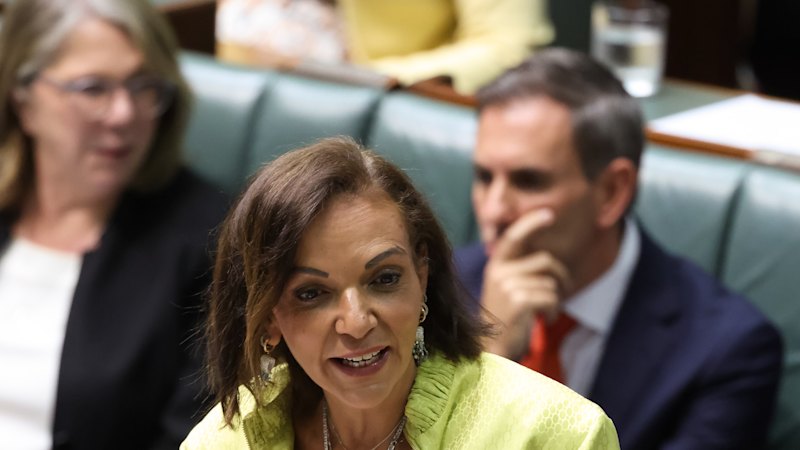
Daniel Mulino (pictured) admitted that the government was aware of ATO card issues in July
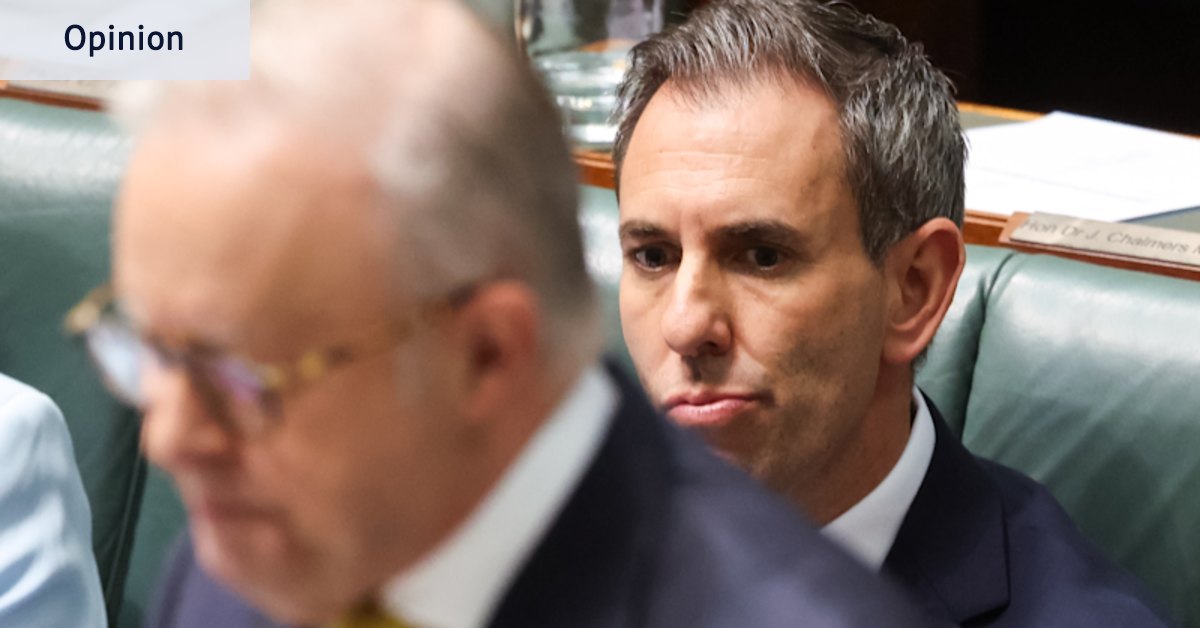
The decision triggered a fierce backlash from business groups, prompting Prime Minister Anthony Albanese and Treasurer Jim Chalmers (pictured) to step in and underwrite the costs of accepting credit cards until mid-2027
'In July, the government became aware that the ATO was looking at options and that at that point their preference was to not accept credit cards,' he said.
asserted
he → picture → cards
'And we made it very clear that we wanted them to continue to engage with credit card companies to seek the best possible deal for the taxpayer.'
asserted
them → make → taxpayer
The ATO initially defended its decision, arguing it was not financially sustainable to absorb the cost of credit card transactions, estimated at about $200million a year.
asserted
it → defend → 200million
Tax Commissioner Rob Heferen said the agency would have preferred to continue accepting credit cards but had been unable to secure sufficiently low rates from card providers.
asserted
agency → say → providers
Speers repeatedly pressed Mulino on whether the government effectively supported the ATO's move to phase out credit card payments.
asserted
government → press → payments
Mulino insisted the decision remained the responsibility of the independent tax office.
asserted
decision → insist → office
'The ATO made a decision and in making that decision, we engaged with them and indicated that they should engage with the credit card companies to get the best possible deal,' he said.
asserted
he → make → deal
However, he conceded that allowing credit card payments to continue indefinitely would have significant budget implications.
asserted
payments → concede → implications
David Speers (pictured) pressed Mulino over why the government didn't act until October
Jacinta Price (pictured) said the government failed to consult businesses over the changes
'Accepting credit card payments going on indefinitely would have very serious fiscal ramifications for the budget, and that's why we always said that there should be a transition period,' Mulino said.
asserted
Mulino → picture → budget
Speers challenged the minister on why the government did not intervene sooner if it knew in July where the ATO was heading.
asserted
ATO → challenge → July
Mulino defended the delay, arguing ministers wanted to respect the independence of the ATO and the Reserve Bank and allow negotiations with credit card companies to continue.
asserted
negotiations → defend → companies
'We stepped in very quickly once the feedback came to us,' he said.
asserted
he → step → us
'I've listened to stakeholder feedback, as has the PM and the Treasurer, so obviously we've changed tack and we've listened to feedback.
asserted
we → listen → feedback
The government's intervention came after widespread concern from small businesses, tax professionals and taxpayers, who argued removing credit card payments would create major compliance headaches and cash-flow pressures.
asserted
removing → come → headaches
Shadow Small Business Minister Jacinta Nampijinpa Price seized on the government's reversal, accusing Labor of failing to properly consult small businesses before backing the ATO's original plan.
asserted
Price → seize → plan
'Labor's lack of consultation is absolutely evident in the ATO's backflip, delaying these changes until 30 June 2027,' she told Parliament on Monday.
asserted
she → delay → Monday
'This capitulation raises the obvious question: why wasn't industry properly consulted before these changes were announced?
asserted
changes → raise → question
'The Labor government seems to have made a real habit of announcing first, listening second and backflipping third,' she said.
asserted
she → seem → habit
 The Aporia