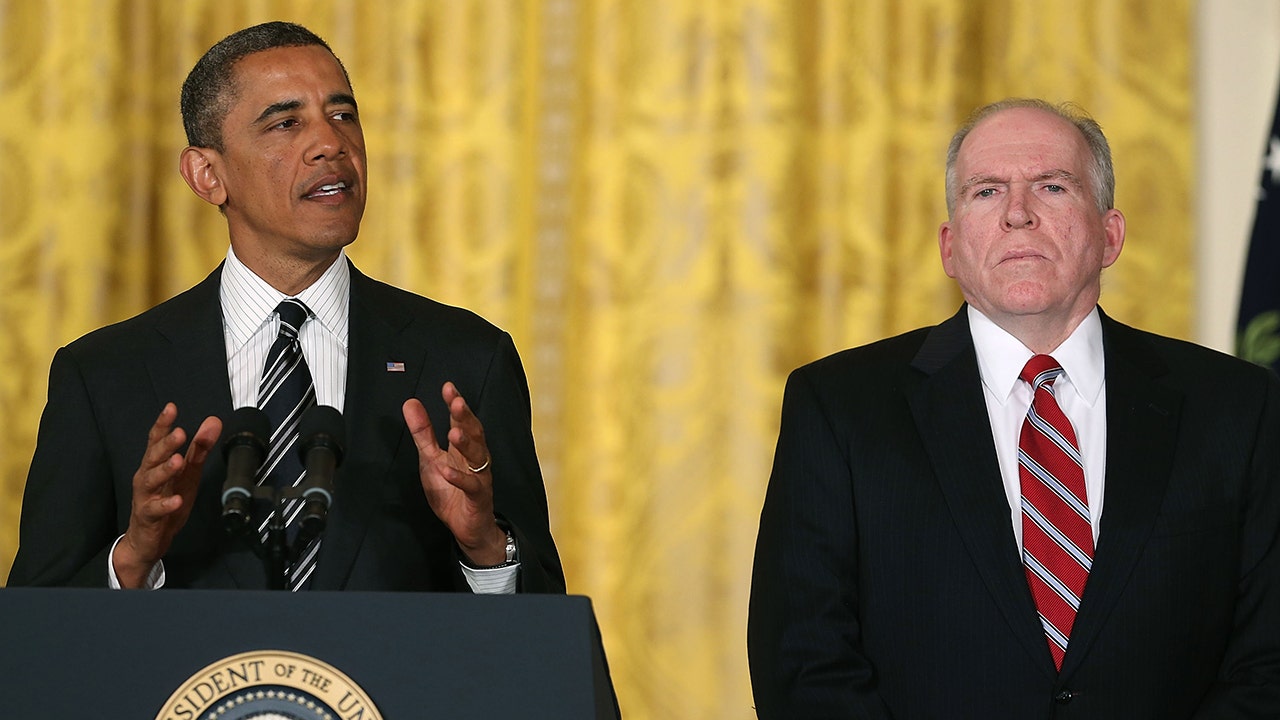
A dark chapter in the family history of Minnesota Democratic Senate candidate Peggy Flanagan has made its way into the race, but it is unclear whether voters will hold the alleged sins of her long-dead grandfather against her.
uncertain
voters → make → her
Earlier this week, Alpha News revealed the troubled mental health history of Flanagan's grandfather, John Jacob Hartmann, supported by old newspaper accounts and court records.
asserted
News → reveal → accounts
He spent decades in psychiatric custody, escaped twice and was suspected in multiple killings, though never charged.
asserted
He → spend → killings
The reporting comes just weeks before the midterm elections, in which Flanagan, the state's lieutenant governor, faces former television sports reporter Michelle Tafoya in a race to fill the seat of Democrat Tina Smith, who is retiring.
asserted
who → come → Smith
Neither Flanagan nor Tafoya has commented publicly on the matter since the decades-old allegations resurfaced.
asserted
allegations → comment → matter
But the bizarre development has generated a buzz on social media.
asserted
development → generate → media
Turning Point USA spokesman Andrew Kolvet highlighted the "violent mental illness in Minnesota Democrat Peggy Flanagan's family," in an X post, followed by a photo of Flanagan wearing a shirt that says "Protect trans kids."
asserted
that → highlight → kids
and Dustin Grage, a columnist with Town Hall, wrote the report "adds up."
asserted
report → write → Hall
Flanagan has frequently spoken about her upbringing, including being raised by a single mother who relied on SNAP benefits and housing assistance, and the influence of her indigenous father, a tribal land rights activist who helped inspire her own advocacy for Native American communities.
asserted
who → speak → communities
But a lesser-known part of her family history involves Hartmann, who made headlines in Minneapolis newspapers throughout the 1970s and early 1980s for his time in psychiatric hospitals, his escapes and allegations linking him to at least four killings, which was dredged up by Minnesota-based outlet Alpha News.
asserted
which → know → News
Flanagan was three years old when Hartmann died on Feb. 6, 1983.
asserted
Hartmann → die → Feb.
A Minnesota Star Tribune death notice listed Flanagan’s mother, Patricia Hartmann, and her three sisters — Kathleen, Mary and Margaret — as his surviving daughters.
asserted
notice → list → daughters
An obituary for Patricia, who died in 2022, listed her maiden name as Hartmann and identified her father as John.
asserted
who → die → John
In an interview with Minnesota Women’s Press, Flanagan said both her mother and grandmother were single mothers.
asserted
mother → say → Press
She described her grandmother as having raised four daughters "at a time when that didn’t happen a lot."
asserted
that → describe → time
Flanagan's mother eventually married Thomas Flanagan, who is identified as Peggy Flanagan's stepfather in his obituary.
asserted
who → marry → obituary
In a Feb. 9, 1983 article announcing Hartmann's death, the newspaper now known as The Minnesota Star Tribune stated that he was committed on Nov. 1, 1951 after his wife filed a petition claiming that he was "mentally ill and dangerous."
asserted
he → announce → petition
His commitment came after the body of a man named Theodore Foth was found burning in his room, although Hartmann was never charged in Foth's death.
asserted
Hartmann → come → death
The paper also named Hartmann as a suspect in a 1964 murder of a fellow patient at the Minnesota Security Hospital, but he was never charged.
asserted
he → name → Hospital
Hartmann was transferred to Anoka State Hospital in 1970, but escaped to New Mexico, where the newspaper reported he was suspected in the deaths of a man and woman.
asserted
he → transfer → man
However, a 1973 Eighth Circuit Court of Appeals ruling does not mention the alleged murder allegations against Hartmann.
asserted
ruling → mention → Hartmann
Instead, the ruling stated New Mexico authorities picked up Hartmann from a warrant issued by Minnesota Probate Judge Melvin Peterson in September 1970.
asserted
authorities → state → September
The authorities found that he was living in the state "without incident and without hiding his identity following his escape in Minnesota."
asserted
he → find → Minnesota
A special prosecutor later released Hartmann, finding that he was "sane and safe to be at large."
asserted
he → release → Hartmann
Hartmann was apprehended in Colorado for a misdemeanor charge the next year and brought back to Minnesota.
asserted
Hartmann → apprehend → Minnesota
In April 1979, Hartmann failed to return from a visit pass at the Minnesota Security Hospital and fled to Missouri, where he allegedly threatened U.S. District Judge Miles Welton Lord during a phone call.
uncertain
he → fail → call
Lord presided over Hartmann’s earlier federal challenge to his involuntary return from Colorado to Minnesota and initially dismissed claims against several Minnesota officials.
uncertain
Lord → preside → officials
Hartmann was charged by federal authorities for the alleged threat, according to a 1979 Star Tribune article.
uncertain
Hartmann → charge → article
Fox News Digital reached out to Flanagan's campaign for comment.
asserted
Digital → reach → comment
 The Aporia