A study from the University of California, Davis found that 89% of products labeled as containing avocado oil are actually adulterated with cheaper oils, despite being listed only as avocado oil on packaging. Analyzing 54 products purchased in 2022 and 2023, researchers discovered that salad dressings were the worst offenders at 100%, followed by chips at 93% and mayonnaise at 71%. The study highlights economic motivations behind food fraud, with consumers often paying significantly more for avocado oil products than those made with vegetable oils.
Written by the local model on 2026-09-14,
using this article's own text rather than the other coverage of the
same event (that is the story summary below).
Story summary
A study from the University of California, Davis published in *Applied Food Research* found that 89% of processed foods labeled as containing avocado oil actually included other, cheaper oils. Researchers tested 54 products purchased online and in stores across California this year and last, finding that 48 were adulterated. Salad dressings had the highest rate of contamination at 100%, followed by chips at 93%, and mayonnaise at 71%. In contrast, olive oil products were much more likely to match their labels, with only one exception for mayo and none for dressings or chips. The lead author, *Selina Wang*, stressed the importance of consumer trust in product authenticity.
Written for “Avocado Oil Adulteration” on 2026-09-14,
grounded in this article and the 0 other(s) covering the same event.
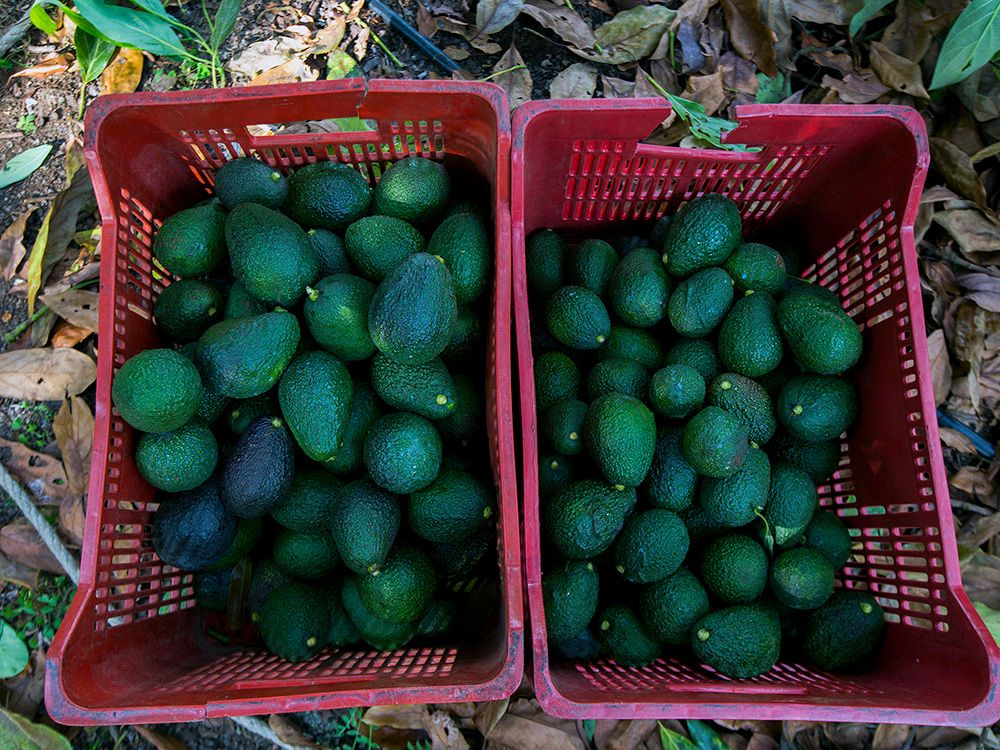
Avocado oil has become a go-to for health-oriented snacks and condiments and consumers increasingly pay a premium for them.
asserted
consumers → become → them
A new study is raising questions about the veracity of ingredient claims on chip bags, salad dressings and mayo bottles.
uncertain
study → raise → bags
Researchers at the University of California, Davis found that 89 per cent of processed foods supposedly “made with avocado oil” actually contain other oils — despite avocado being the only oil listed on the package.
asserted
avocado → find → package
The study published in Applied Food Research analyzed 54 avocado oil-labelled products purchased this year and last from online retailers and California stores.
asserted
study → publish → retailers
It found that 48 had been adulterated with cheaper oils.
asserted
48 → find → oils
Salad dressings were the worst offenders, with 100 per cent of the products tested containing oils other than avocado.
asserted
cent → test → avocado
Chips were next at 93 per cent, followed by mayonnaise at 71 per cent.
asserted
Chips → follow → cent
For the sake of comparison, the researchers also tested olive oil-labelled products.
asserted
researchers → test → products
They fared better, with all the dressing and mayo samples passing the purity tests and 90 per cent of the chips.
asserted
samples → fare → chips
The researchers note that consumers typically pay more for avocado and olive oil products than for those made with vegetable oil.
asserted
consumers → note → oil
Retail prices for chips made with avocado oil, for instance, were 223 per cent higher at the top end than for those containing vegetable oil.
asserted
prices → make → oil
Olive oil products were comparable in price to their avocado counterparts, sometimes a bit less, though they were much more likely to live up to their labelling.
“(Consumers) deserve to get what they pay for, and food manufacturers deserve confidence that the ingredients they purchase from suppliers are authentic,” lead author Selina Wang, professor of cooperative extension in the UC Davis Department of Food Science and Technology, said in a statement.
asserted
Wang → live → statement
North America is the leading region for avocado oil, accounting for 38 per cent market share, according to Persistence Market Research.
uncertain
America → lead → Research
The market is driven by a “strong health and wellness culture, high consumer awareness and widespread adoption across food processing and foodservice.”
asserted
market → drive → processing
The authenticity of olive oil has been studied for decades.
asserted
authenticity → study → decades
Avocado oil, on the other hand, is a relatively new product and hasn’t been subject to the same level of scrutiny, the researchers highlight.
asserted
researchers → highlight → scrutiny
Most studies have focused on bottled avocado oils — not oils used as ingredients in processed foods.
asserted
studies → focus → foods
In 2020 research, UC Davis scientists found that 82 per cent of commercially sold bottles were rancid or adulterated with other oils, and in 2023, they found that 70 per cent of private-label avocado oils were spoiled or mixed.
asserted
cent → find → oils
The new findings suggest that product ingredient claims may be an understudied form of economically motivated food fraud.
uncertain
claims → suggest → fraud
Avocado oil costs US$4-5 per pound (454 grams) while seed oils cost US$0.50-1.50, according to a statement by Adams Group, an American avocado oil refinery whose Marianne’s avocado oil was one of two brands that tested 100 per cent pure in the 2020 research.
uncertain
that → cost → research
“A purity claim is only as good as the supplier behind it,” said Wayne Adams, CEO of Adams Group.
uncertain
Adams → say → Group
The brands whose products failed the purity tests may be unwittingly using adulterated oil, Wang said, noting that the falsification likely starts with suppliers.
uncertain
falsification → fail → suppliers
Food companies often source their oils from various suppliers and brokers.
asserted
companies → source → suppliers
The only way to verify their authenticity is through testing, which Wang said food companies could do more of.
uncertain
companies → verify → more
“If consumers are buying potato chips that say they’re made with 100 per cent avocado oil, that should be the product that they’re getting,” said Wang.
asserted
Wang → buy → that
“I don’t think there is enough accountability throughout the supply chain.
asserted
I → think → chain
Suppliers of adulterated oil may be hiding behind a couple of layers of supply chain, making it difficult to identify where the problem originated.”
uncertain
problem → hide → chain