A dispute over who should pay nearly $300,000 in legal expenses has brought a group of North Dakota ranchers and a natural gas pipeline company before the US Supreme Court.
asserted
who → pay → Court
The ranchers had challenged the compensation offered for pipeline access across their properties and eventually reached a settlement.
asserted
ranchers → challenge → settlement
However, an appeals court later ruled that the company was not responsible for their legal costs.
asserted
company → rule → costs
The Supreme Court is scheduled to hear the case on November 9.
asserted
Court → schedule → November
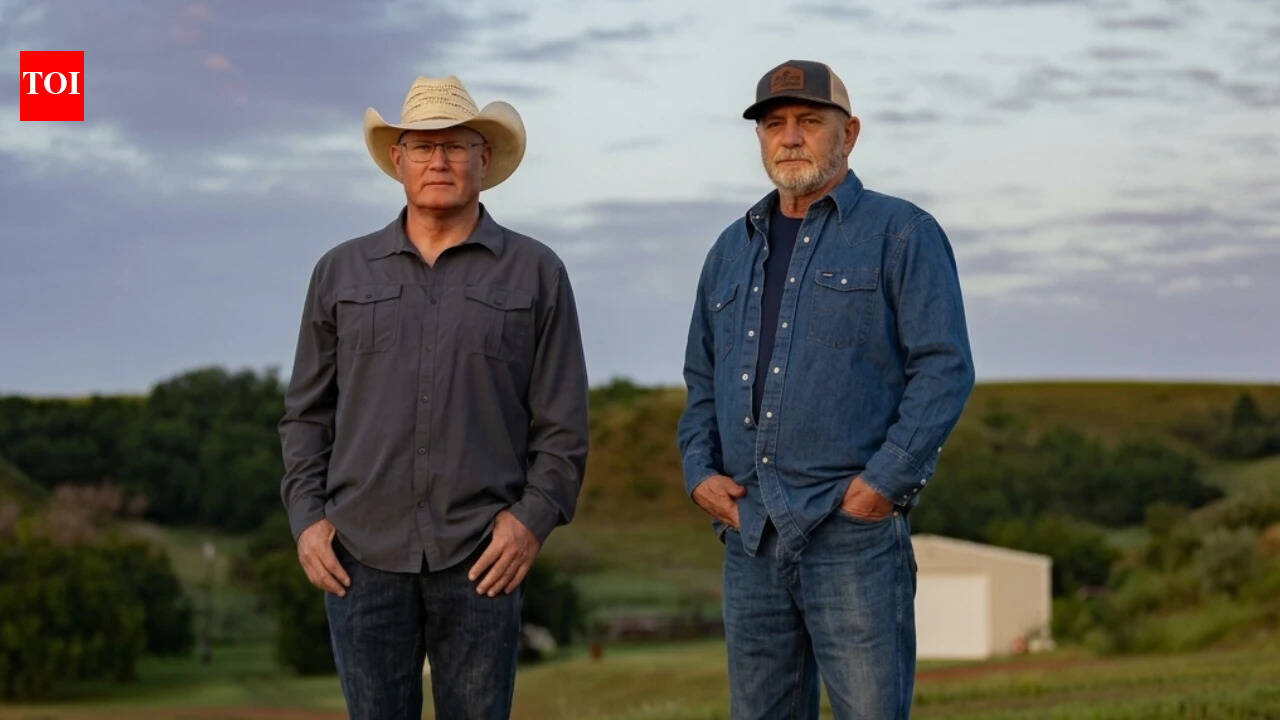
The case, Hoffmann v. WBI Energy Transmission, concerns Leonard Hoffmann, members of his family and neighbouring ranchers in McKenzie County, according to the official court record.
uncertain
case → concern → record
Their disagreement with WBI Energy Transmission began over the amount the company was prepared to pay for easements.
asserted
company → begin → easements
These agreements allow a company to use a portion of private land for purposes such as laying and maintaining pipelines without purchasing the entire property.
asserted
company → allow → property
The landowners initially succeeded in getting a court to consider evidence of payments made for similar pipeline easements.
asserted
court → succeed → easements
A settlement followed, but the legal proceedings had already cost them approximately $300,000.
asserted
proceedings → follow → 300,000
Although the trial court directed WBI to reimburse those expenses, the US Court of Appeals for the Eighth Circuit overturned that decision in March 2025.
asserted
Court → direct → March
The Supreme Court will now examine whether private companies exercising federally authorised eminent domain powers must follow state compensation laws.
asserted
companies → examine → laws
According to the Institute for Justice, which represents the ranchers, the case could affect property owners in other states where local laws provide protections beyond the minimum compensation required under the US Constitution.
uncertain
laws → accord → Constitution
Why the $300,000 legal bill remains disputed
asserted
bill → remain → ?
The ranchers' legal expenses became the central issue after their original disagreement with WBI ended in a settlement.
asserted
disagreement → become → settlement
They had spent several years challenging how the company calculated the value of the easements.
asserted
company → spend → easements
Under North Dakota law, property owners whose land is acquired through eminent domain are entitled to certain protections, including reimbursement of qualifying expenses associated with the proceedings.
asserted
land → acquire → proceedings
The trial court applied those provisions and ordered WBI to cover the landowners' legal costs.
asserted
court → apply → costs
However, the appeals court changed the decision, saying the company's authority to acquire the easements came from federal law.
asserted
authority → change → law
The Eighth Circuit held that WBI could rely on the compensation rules applicable to the federal government.
uncertain
WBI → hold → government
Those rules do not necessarily require payment of the property owner's legal expenses.
asserted
rules → require → expenses
The Institute for Justice argues that this interpretation gives private companies protections against state-law requirements that Congress did not expressly grant them.
asserted
Congress → argue → them
How disagreement over pipeline payments began
The dispute originated in McKenzie County, a part of western North Dakota where oil and natural gas development has brought extensive pipeline construction.
asserted
development → begin → construction
Leonard Hoffmann and neighbouring property owners were already familiar with pipeline easements because oil companies had previously negotiated access to land in the area.
However, WBI was developing an interstate natural gas pipeline.
asserted
WBI → negotiate → pipeline
Such projects fall under the Natural Gas Act and require approval from the Federal Energy Regulatory Commission (FERC).
asserted
projects → fall → Commission
Once a company receives the necessary federal certificate, it can also obtain authority to use eminent domain.
asserted
it → receive → domain
This legal power permits the acquisition of private property rights for public use, subject to compensation.
asserted
power → permit → compensation
WBI proposed that compensation be based on the difference between the value of the land with a pipeline easement and the value of the land without one, the Institute for Justice said.
asserted
Institute → propose → Justice
The company argued that the difference could be minimal or even zero.
uncertain
difference → argue → ?
The ranchers believed that this approach did not adequately reflect the value of allowing a pipeline to cross their properties.
asserted
pipeline → believe → properties
They wanted the court to consider what other companies had paid landowners for comparable easements.
asserted
companies → want → easements
What happened during court proceedings
Hoffmann joined his brother David, sister-in-law Denae Hoffmann and neighbouring ranchers Rocky Prestangen and Randy Stevenson in contesting WBI's valuation.
asserted
Hoffmann → happen → valuation
They appointed North Dakota property lawyer Derrick Braaten to represent them.
asserted
They → appoint → them
The proceedings continued for several years as both sides presented arguments about the appropriate method of determining compensation.
asserted
sides → continue → compensation
The trial court eventually allowed the landowners to introduce evidence from comparable voluntary transactions.
asserted
landowners → allow → transactions
This meant payments negotiated between other pipeline companies and property owners could be considered when assessing the value of the easements.
uncertain
payments → mean → easements
Following that decision, the parties reached a settlement.
asserted
parties → follow → settlement
The amount of compensation was no longer the central dispute, but the question of reimbursement for the legal proceedings remained unresolved.
asserted
question → remain → proceedings
WBI challenged the order requiring it to pay those expenses, leading to the March 24, 2025, appellate ruling in its favour.
asserted
WBI → challenge → favour
What the Supreme Court will examine
The legal question before the Supreme Court concerns the extent to which federal authority allows a private company to avoid compensation requirements established by individual states.
asserted
company → examine → states
The Fifth Amendment to the US Constitution requires “just compensation” when private property is taken for public use.
asserted
property → require → use
…and 3 more, not listed.
 The Aporia