Claims extracted
15
sentences that state something as happening or true
Uncertain
7%
1 of 15 hedged
("reportedly", "may", "according to")
Leaning
withheld
no quote in the article backed the model's score
Publisher signals
72/100
BBC News's corrections and
hedging, across everything collected from it. Not a measure of accuracy.
Outlets on this story
1
Politics
Same framing elsewhere
1
articles that frame the event the way this one does
- Published
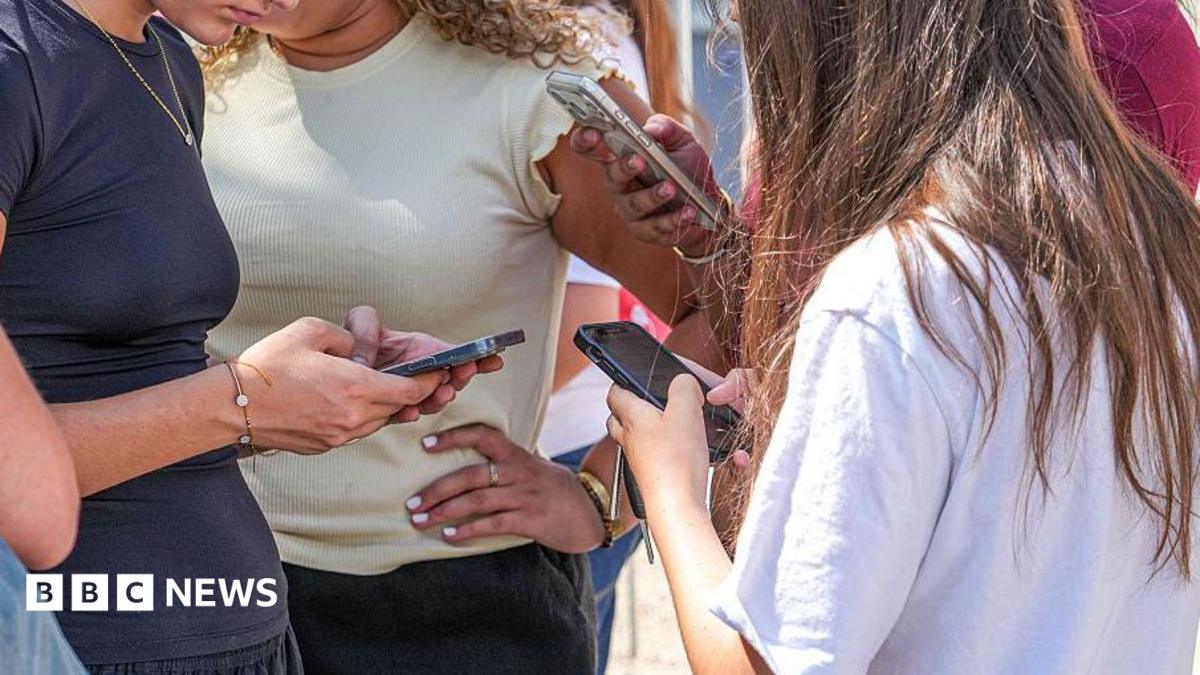
France's top court has struck down a ban on social media for under-15s, saying it infringed upon freedom of expression.
asserted
it → strike → expression
The legislation was backed by French lawmakers in July, making it the first European country to block young people from the platforms, after concerns over the harmful effects on children's mental health.
asserted
it → back → health
Friday's ruling by the Constitutional Council overrides the ban, which Emmanuel Macron had pledged would be introduced in stages from September.
asserted
Macron → override → September
Responding to the news, the French president immediately asked Prime Minister Sébastien Lecornu to prepare a new draft that would take into account all the council's points.
asserted
that → respond → points
After lawmakers voted through the bill last month, Lecornu referred parts of the legislation to the council - a nine-member authority that checks whether a law complies with the constitution - for review.
asserted
law → vote → review
The Constitutional Council said it had found that Article 1 of the legislation "constitutes an infringement that is neither appropriate, necessary, nor proportionate" to the freedom of expression and communication for under-15s.
asserted
that → say → under-15s
The ruling also raised concerns over the law's requirement to provide proof of age to access online services and said it failed to establish "the legal safeguards necessary".
Macron's office said after the ruling that the French government would work "as quickly as possible" to propose a new draft and said the president was determined to see the reform implemented by early 2027.
asserted
reform → raise → 2027
The original legislation had envisaged that from September all those under-15 would not be able to open accounts, and verification would be required on all new accounts.
asserted
verification → envisage → accounts
And from January, this would have applied to all existing accounts.
asserted
this → apply → accounts
Opponents have repeatedly questioned the law's viability and raised concerns over privacy, the efficacy of age-verification tools, the risks of young people bypassing them, and how quickly the ban has been designed and brought in.
asserted
ban → question → them
Australia was the first country to introduce last December a social media ban for those under-16, although it is widely acknowledged that many in the country continue to use the platforms.
asserted
many → introduce → platforms
Legislation restricting young people's access to social media has been ramping up around Europe in the past few months.
asserted
Legislation → restrict → months
In May, European Commission President Ursula von der Leyen proposed a "social media delay" for children in the EU, saying new legislation could be put forward in months.
uncertain
legislation → propose → months
In the UK, former British Prime Minister Sir Keir Starmer announced in June that under-16s in the UK will be banned from social media from January 2027.
asserted
under-16s → announce → January
An optional midnight curfew for UK teens aged 16 and 17 was also announced.
asserted
curfew → announce → teens
 The Aporia