Did Chinese cars squeal on Norway’s military?
asserted
cars → squeal → military
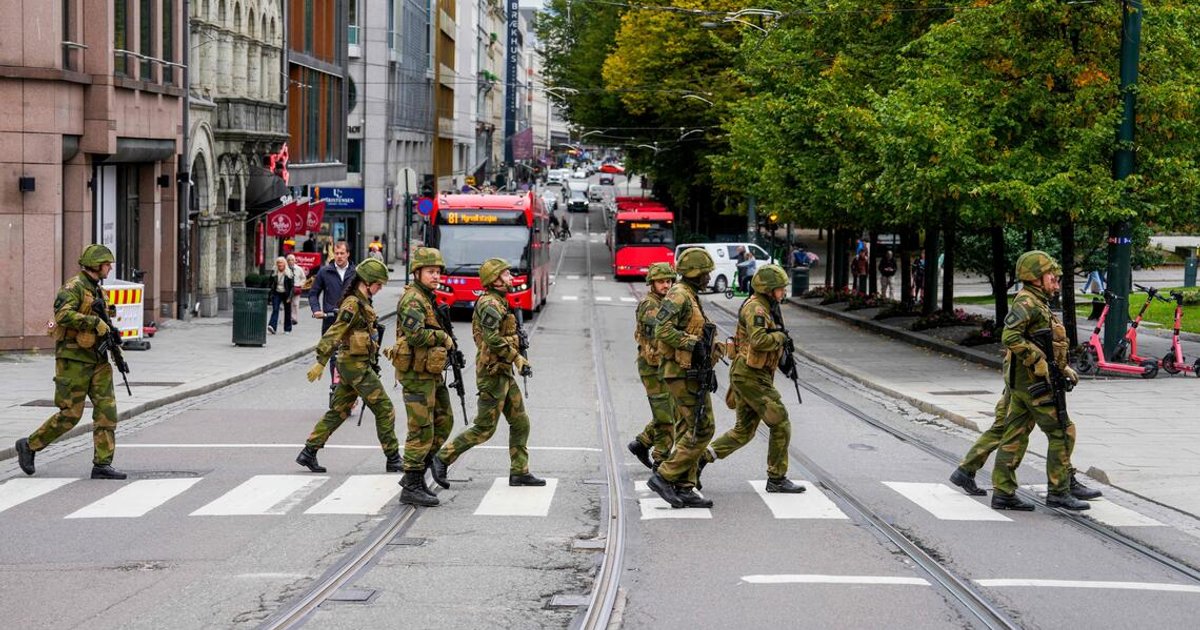
Chinese-made cars filmed sensitive information during a Norwegian military exercise, including access codes at secure sites and officials’ comings and goings, raising concerns about the risks posed by connected vehicles.
asserted
cars → make → vehicles
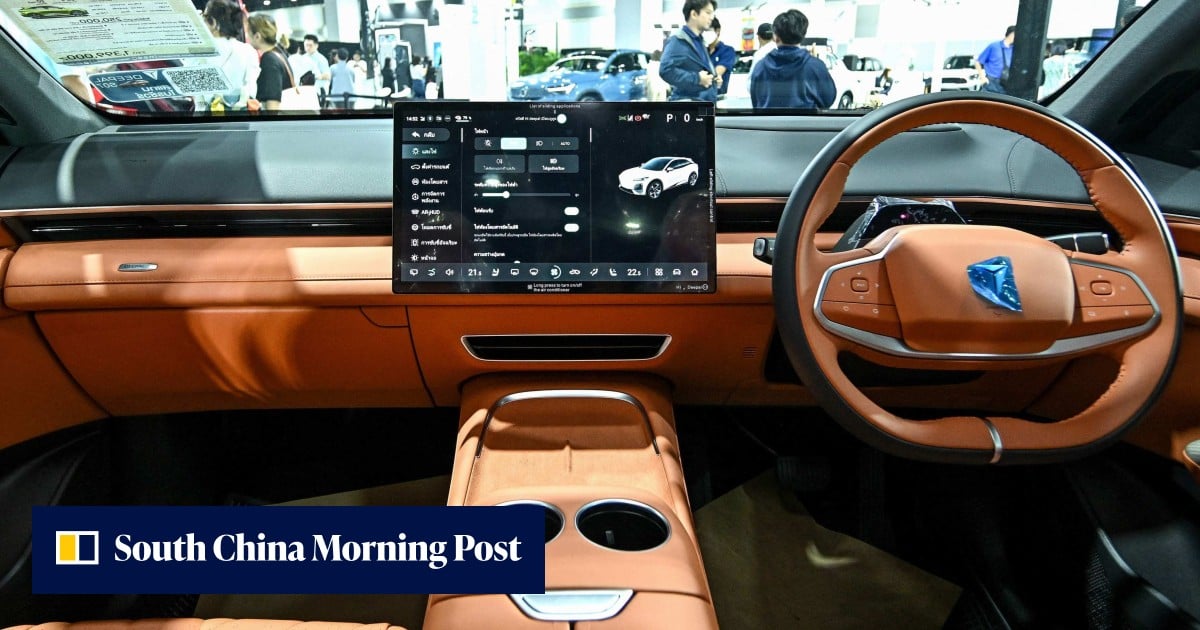
During a security exercise at Oslo airport from Sept 14 to 18, waiting soldiers tapping on their vehicle’s screen discovered videos recorded by the onboard cameras, the Dagens Naeringsliv (DN) newspaper revealed.
asserted
newspaper → wait → cameras
The recordings showed who was getting in and out of the cars, the routes taken and even the codes used to open gates or doors to military facilities.
asserted
who → show → facilities
In its report three weeks after the exercise, DN said the recordings came from rental vehicles – at least two of them Deepal brand cars, made by Chinese state-controlled automaker Changan.
asserted
recordings → say → Changan
They were supplied to the army by Hertz Norge, which is indirectly owned by the Chinese auto group Geely.
asserted
which → supply → group
“Yes, soldiers from the Home Guard found videos from the vehicles’ sensors stored in their systems,” Lieutenant Colonel Per Gunnar Grosberghaugen, Norwegian Home Guard spokesperson, confirmed to AFP.
asserted
Grosberghaugen → find → AFP
It was not known if the recordings were shared with a third party, notably in China, but the officer could not rule out the possibility.
uncertain
officer → know → possibility
The case highlights a paradox: while Europe’s armies are bolstering their protection against espionage and hybrid threats, the vehicles they use can collect sensitive information.
asserted
they → highlight → information
Even after discovering the leaks, the military continued to use the vehicles until the end of the exercise due to a lack of alternatives and the soldiers deleted the videos, DN reported.
asserted
DN → discover → videos
Judging that the impact of a general ban on Chinese-made vehicles would be disproportionate to the potential security gain, the military said it preferred security procedures tailored to each site, with possible local bans on vehicles equipped with cameras and sensors regardless of their origin.
asserted
it → judge → origin
Hertz Norge stressed that it complies with Norwegian and European regulations.
asserted
it → stress → regulations
“Our customers’ data is safe with us,” Hallvard Nerbovik, its marketing and communications director, told AFP.
asserted
Nerbovik → tell → AFP
“No personal data related to our rentals is shared with car manufacturers, our owners or other third parties without explicit legal grounds,” he added, without specifying whether the onboard videos may have been transferred.
uncertain
videos → relate → grounds
Changan group did not respond to AFP’s questions.
asserted
group → respond → questions
In 2025, tests carried out for Oslo’s Ruter public transport authority revealed that Chinese manufacturer Yutong could theoretically remotely immobilise its electric buses with their “over-the-air” update system.
uncertain
Yutong → carry → system
Norway could use the buses one day to evacuate the population in the event of an emergency.
uncertain
Norway → use → emergency
Ruter has since introduced mechanisms enabling it to monitor and delay incoming signals in order to control updates, it said.
asserted
it → introduce → updates
Smartwatches and fitness apps such as Strava, popular with joggers, can also expose sensitive military information.
asserted
Smartwatches → expose → information
In 2018, data published by Strava made it possible to identify military sites and soldiers’ routes, notably in Afghanistan and Syria.
asserted
it → publish → Afghanistan
In March, French newspaper Le Monde was able to locate the French aircraft carrier Charles de Gaulle in almost real time in the eastern Mediterranean, thanks to a sailor on board using the app.
asserted
Monde → locate → app
The Norwegian National Security Authority (NSM) said modern vehicles are “rolling computers that collect information”.
asserted
that → say → information
“We don’t know for sure where the information is sent or what it’s used for,” NSM official Andreas Skjold-Lorange told AFP.
asserted
Lorange → know → AFP
The organisation, which is responsible for minimising strategic risks including digital, said that beyond the data collected, Norway should be wary of excessive dependence on a single country.
asserted
Norway → minimise → country
Especially if that country does not cooperate with Norway on security matters.
asserted
country → cooperate → matters
“If we become too dependent on services or products from a given country, that makes us vulnerable, whatever that country may be,” Skjold-Lorange warned.
uncertain
Lorange → become → country
 The Aporia