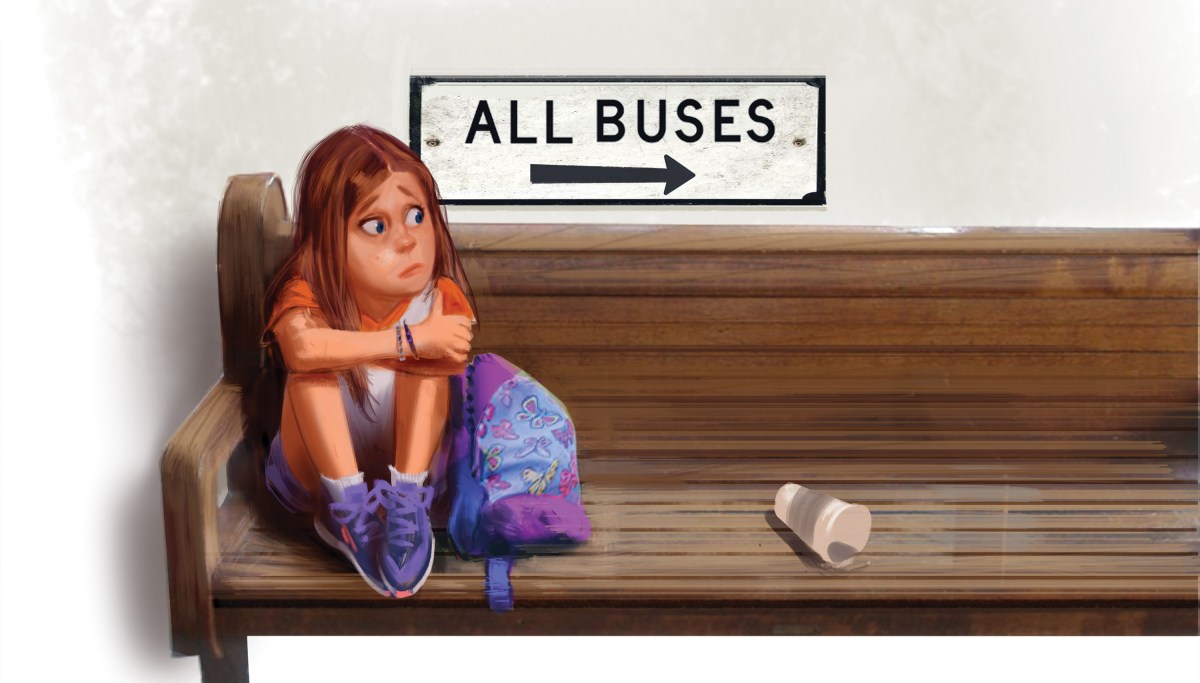
Daycare abuse spikes in NYC — and equity-driven ‘reform’ is to blame

Read the original at New York Post ↗
Cite

Riley, N. S. (2026, October 16). Daycare abuse spikes in NYC — and equity-driven ‘reform’ is to blame. New York Post. https://nypost.com/2026/10/16/opinion/day-care-abuse-spikes-in-nyc-blame-dei-driven-reform/

Dated from the outlet's own feed. Check the original for its byline.

New York Post · collected 2026-10-17 · by Naomi Schaefer Riley
Content note This article describes abuse of a child and suicide or self-harm.

Quick Summary

New York City daycare facilities are experiencing a surge in cases of child abuse by employees, which critics attribute to recent regulatory changes aimed at reducing false accusations against caregivers, particularly those from low-income and minority backgrounds. In 2022, New York state raised the threshold for adding abusers to the Statewide Central Register of Child Abuse and Maltreatment and shortened the period names remain on the register. These reforms, intended to address perceived biases in reporting, have inadvertently made it harder to identify and prevent child abuse by allowing more potential abusers to work with children without scrutiny.
Written locally by qwen2.5:14b on 2026-10-17, using this article's own text rather than the other coverage of the same event (that is the story summary below).

AI analysis runs on qwen2.5:14b, locally

Story summary

As of October 16, 2026, New York City daycare facilities are experiencing a significant increase in cases of child abuse by employees. According to the New York Post, this spike is attributed to recent "reforms" that have made it more difficult for officials and educators to report and investigate child maltreatment. For instance, when Governor Kathy Hochul signed a law last year banning anonymous reports of child abuse through hotlines, it further restricted reporting mechanisms. Additionally, the city's Administration for Children’s Services (ACS) has actively discouraged teachers from making reports about potential neglect, categorizing many cases as "low risk" without proper investigation. This approach may have failed to identify serious issues such as substance abuse or mental illness among caregivers, leading to a rise in actual child abuse cases that were previously overlooked due to inadequate scrutiny and support for families facing genuine hardships like poverty.

Written for “Daycare Abuse Spikes In NYC” on 2026-10-17, grounded in this article and the 0 other(s) covering the same event.
Why this leaning score
The article's own words the score was based on. Each is quoted verbatim and was checked against the article text before being stored, so you can find it in the original.
Reading Leans strongly right (beta estimate) Confidence high
Leaning: leans strongly right for article 86249 (high confidence, 3 verified quotes) · logged 2026-10-17

Story

📰 Daycare Abuse Spikes In NYC
Crime & Law · 1 article(s) covering the same event.

Compared with similar articles

This article reads leans strongly right and hedges 4% of its claims. Each row says how that neighbour differs.
New York Post
⚖️ leaning not scored 🔴 19% hedged 5 of 26 📰 publisher trust 67
“While both articles discuss an increase in reported cases of child abuse in NYC daycare facilities, they do not describe the exact same incident or occurrence.”
How this article was measured signals, leaning charts, publisher record, byline, topics and claims

Signals How these are calculated →

Claims extracted
25
sentences that state something as happening or true
Uncertain
4%
1 of 25 hedged ("reportedly", "may", "according to")
Leaning
Leans strongly right
of the writing, not the subject · beta estimate
Publisher signals
67/100
New York Post's corrections and hedging, across everything collected from it. Not a measure of accuracy.
Outlets on this story
1
Crime & Law
Same framing elsewhere
1
articles that frame the event the way this one does
Analyzed 2026-10-17 · how these are computed

How this is being covered How these are calculated →

Article leaning vs. publisher reliability
Source leaning vs. consistency

Publisher

New York Post · 11066 article(s) · 31 correction(s) detected
Running correction rate · 31 correction(s)

Who wrote this

Naomi Schaefer Riley
7 article(s) here · 1 carrying a prediction
🔮 For instance, a case that ACS chalks up to poverty — such as a teacher’s report that a child showed up to school hungry, having not been fed all weekend — may actually be the result of substance abuse or mental illness on the part of a parent or caregiver.
🔮 When I saw “School Ties” in theaters the following year, the setting seemed recognizable, but the scenes of rampant antisemitism could not have felt more foreign.
🔮 One might think it’s because a mother under the influence might have difficulty caring for an infant, or because of potential health complications for a baby who’s been exposed to drugs or alcohol.
🔮 They’ve pushed on judges the false idea that transgender identity among children is immutable, and that a child who so identifies will suffer serious harm if not treated as the opposite sex and allowed to receive transitional medical treatment.
🔮 Sure, some courses in criminal justice or nursing might help a front-line child protective specialist.
Also by Naomi Schaefer Riley
Nothing else under this byline is closely related to this article, so these are simply their most recent.
All 7 articles by Naomi Schaefer Riley →

Topics

ACS Administration for Children’s Services Bronx New York the Statewide Central Register of Child Abuse and Maltreatment

Subjects

New York GPE · 2× ACS ORG · 1× Administration for Children’s Services ORG · 1× Bronx GPE · 1× Joyce McMillan PERSON · 1× Kathy Hochul PERSON · 1× the Parent Legislative Action Network ORG · 1× the Statewide Central Register of Child Abuse and Maltreatment ORG · 1×

Narrative

As Mayor Zohran Mamdani’s administration drops millions of dollars to expand the city’s daycare offerings, providers are looking to hire a lot of people quickly. Maybe those providers are doing their due diligence — calling previous employers, for instance — but maybe they’re just depending on the state registry to take care of their background checks.
framing: assertive · carried by 1 article(s) · first seen 2026-10-17
🔮 For instance, a case that ACS chalks up to poverty — such as a teacher’s report that a child showed up to school hungry, having not been fed all weekend — may actually be the result of substance abuse or mental illness on the part of a parent or caregiver.
2026-10-17 · New York Post
Daycare abuse spikes in NYC — and equity-driven ‘reform’ is to blame · assertive framing

Claims (25 extracted, 1 hedged)

For years, New York state and local officials have made it harder to investigate child abuse, and harder to keep abusers on the registry that educational and child-care employers check before they hire. asserted
they → make → that
Now it looks like the chickens are coming home to roost: City daycare facilities are seeing skyrocketing cases of child abuse by employees. asserted
facilities → look → employees
Anyone wondering how this happened hasn’t been paying attention. asserted
this → wonder → attention
When Gov. Kathy Hochul signed a law last year forbidding hotline callers from accepting anonymous reports of child abuse, it sealed the deal on a hands-off stance that was long in the making. asserted
that → sign → making
The city’s Administration for Children’s Services has made a concerted effort to tamp down calls about child maltreatment, actively discouraging teachers, for instance, from reporting child neglect. asserted
Administration → make → neglect
When calls are accepted, more and more of them are deemed “low risk,” meaning families are offered services but the cases are never actually investigated. asserted
cases → accept → services
For instance, a case that ACS chalks up to poverty — such as a teacher’s report that a child showed up to school hungry, having not been fed all weekend — may actually be the result of substance abuse or mental illness on the part of a parent or caregiver. uncertain
child → chalk → parent
Even if no assault occurs, that child can be in real danger; most child maltreatment fatalities are the result of neglect, not abuse. asserted
fatalities → occur → neglect
And for a daycare, hiring a person suffering from untreated mental illness or addiction significant enough to impact their ability to care for their own children can be disastrous. asserted
hiring → hire → children
Even leaving aside the horrifying 2023 overdose death of a toddler in a Bronx daycare that doubled as a fentanyl factory, multiple cases across the country have seen young children harmed by ingesting small amounts of drugs carelessly left around a child-care center. asserted
children → leave → center
But let’s say a report actually is investigated. asserted
report → let → ?
In the past, New York officials added names to the Statewide Central Register of Child Abuse and Maltreatment if investigators found any corroboration for an allegation of children at risk. asserted
investigators → add → risk
A 2022 law, though, raised the burden of proof — from “some credible evidence” to a “fair preponderance of the evidence.” asserted
law → raise → evidence
It also reduced the number of years that the name of an offender charged with neglect must remain on the registry, from up to 28 years down to only eight. asserted
name → reduce → eight
The law applied retroactively — meaning many names have recently been expunged. asserted
names → apply → ?
To be clear, all this was done to serve the interests of adults. asserted
this → do → adults
Advocates at the time complained that accusations of maltreatment are disproportionately lodged against low-income parents and racial minorities. asserted
accusations → complain → parents
Given that abuse and neglect (and fatalities resulting from abuse and neglect) are more common among low-income families and among black families, it’s hardly surprising that these groups would see a disproportionate number of the charges leveled. asserted
groups → give → charges
But as Joyce McMillan, then-leader of the Parent Legislative Action Network, explained: “I was moved by the many parents living in poverty who came to me with letters saying they were on the state registry, and that another opportunity was gonna pass them by because of . . . something a judge had never had any oversight of.” asserted
judge → explain → oversight
She was right that most child abuse and neglect cases don’t get adjudicated in criminal court. asserted
cases → adjudicate → court
Those that go to family court don’t determine parental guilt or innocence; they’re meant to determine whether children are safe at home — and if not, what steps are necessary to remedy that. asserted
steps → go → that
But mothers and fathers who are choosing a daycare facility for their kids aren’t concerned only about criminal convictions among the staff. asserted
who → choose → staff
Would you hire a babysitter who’s been accused of neglect — for leaving a toddler alone all night, or allowing another adult to assault a child, or leaving some cocaine unattended on the coffee table — as long as the sitter didn’t have a criminal conviction? asserted
sitter → hire → conviction
As Mayor Zohran Mamdani’s administration drops millions of dollars to expand the city’s daycare offerings, providers are looking to hire a lot of people quickly. Maybe those providers are doing their due diligence — calling previous employers, for instance — but maybe they’re just depending on the state registry to take care of their background checks. asserted
they → drop → checks
If state and local officials are turning a blind eye to accusations of maltreatment, while making it harder to put people on the state registry and keep them there, we shouldn’t be surprised when abusers turn up near our most vulnerable citizens. asserted
abusers → turn → citizens

💬Give feedback
🕘History 🎫Support