Two people have died after taking bootleg versions of not-yet-on-the-market ‘triple G’ weight loss drug

Read the original at New York Post ↗
Cite

Sacks, R. (2026, October 16). Two people have died after taking bootleg versions of not-yet-on-the-market ‘triple G’ weight loss drug. New York Post. https://nypost.com/2026/10/16/health/two-deaths-linked-to-bootleg-versions-of-unapproved-weight-loss-drug/

Dated from the outlet's own feed. Check the original for its byline.

New York Post · collected 2026-10-16 · by Rachel Sacks

Quick Summary

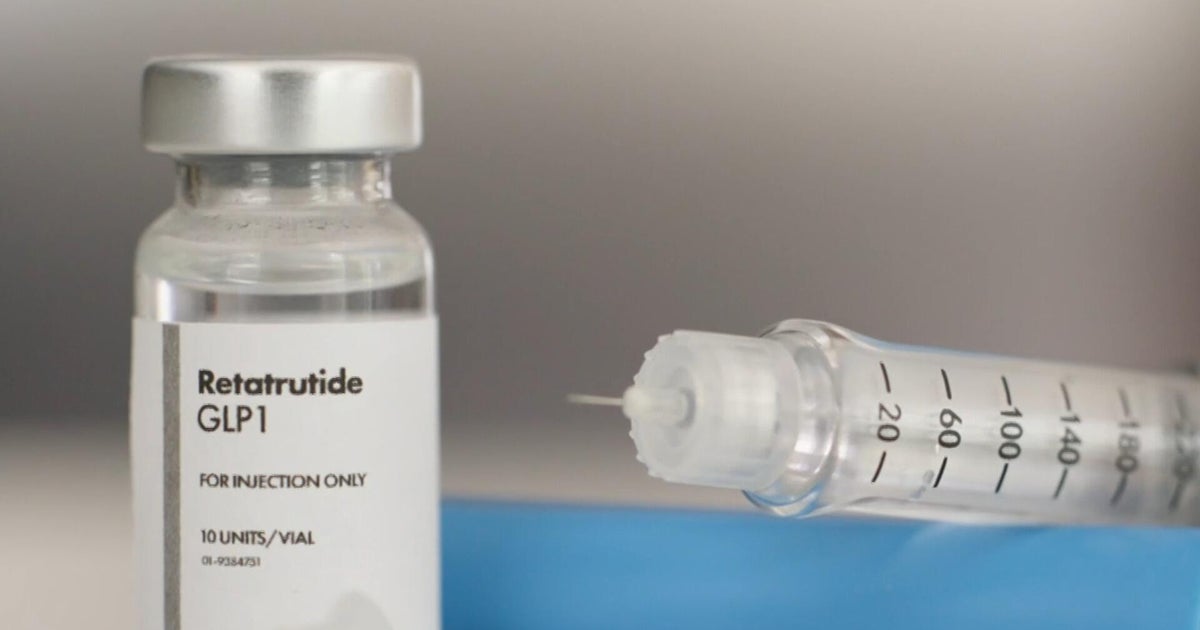
The U.S. Food and Drug Administration's Adverse Event Reporting System has received reports of two deaths from individuals who took bootleg versions of an unapproved weight loss drug called retatrutide, also known as "reta." The first death occurred in July involving a 41-year-old woman who suffered cardiac arrest, while the second happened in September with a 49-year-old patient experiencing severe dehydration and malnutrition before her death. Both victims obtained the medication from unreliable sources or online vendors selling unauthorized versions of the drug.
Written locally by qwen2.5:14b on 2026-10-16, using this article's own text rather than the other coverage of the same event (that is the story summary below).

AI analysis runs on qwen2.5:14b, locally

Story summary

Two deaths have been reported to the U.S. Food and Drug Administration (FDA) that may be linked to bootleg versions of Retatrutide, an unapproved weight-loss drug gaining popularity on social media. According to documents reviewed by CBS News, the first death occurred in July involving a 41-year-old woman who suffered cardiac arrest after obtaining the medication from an unreliable source. The second case involved a 49-year-old patient who died in September due to severe dehydration and malnutrition after being convinced by a licensed nurse to buy the drug online. Both deaths highlight the dangers of using unapproved drugs on black markets despite their potential risks.

Written for “Deaths Linked To Black-Market Drug” on 2026-10-16, grounded in this article and the 2 other(s) covering the same event.
Why this leaning score
This article does not take a side on a contested political question, so it has no leaning score. That is an answer rather than a gap: a match report or a rescue can be warmly or critically written without being left or right, and scoring it anyway is how approval of a subject gets recorded as a political position.
No political leaning scored for article 85996 · logged 2026-10-16

Story

📰 Deaths Linked To Black-Market Drug
Health · 3 article(s) covering the same event. See how they differ ↓

Compared with similar articles

This article reads unscored and hedges 31% of its claims. Each row says how that neighbour differs.
CBS News
⚖️ leaning not scored 🔴 50% hedged 1 of 2 📰 publisher trust 66
“Both articles report on two deaths linked to the use of unapproved and counterfeit weight-loss drugs.”
CBS News
⚖️ leaning not scored 🔴 50% hedged 1 of 2 📰 publisher trust 66
“Both articles describe the same recent incident involving two deaths linked to an unapproved weight-loss drug called Retatrutide.”
New York Post
⚖️ leaning not scored 🔴 39% hedged 7 of 18 📰 publisher trust 67
“Article A describes contaminated factories producing unauthorized drugs, while Article B reports deaths from bootleg versions of an unapproved drug. Though related, they describe different incidents.”
How this article was measured signals, leaning charts, publisher record, byline, topics and claims

Signals How these are calculated →

Claims extracted
16
sentences that state something as happening or true
Uncertain
31%
5 of 16 hedged ("reportedly", "may", "according to")
Leaning
not political
takes no side on a contested political question
Publisher signals
67/100
New York Post's corrections and hedging, across everything collected from it. Not a measure of accuracy.
Outlets on this story
3
Health
Same framing elsewhere
1
articles that frame the event the way this one does
Analyzed 2026-10-16 · how these are computed

How this is being covered How these are calculated →

Article leaning vs. publisher reliability
Source leaning vs. consistency

Publisher

New York Post · 11002 article(s) · 31 correction(s) detected
Running correction rate · 31 correction(s)

Who wrote this

Rachel Sacks
30 article(s) here · 1 carrying a prediction
🔮 “The FDA should do whatever it possibly could do to get their hands on the actual drug that was injected by both of these patients,” associate professor at Harvard Medical School Pieter Cohen told CBS News.
🔮 Now, a revolutionary treatment may provide relief for the joint inflammation, pain, stiffness and reduced mobility that often come with arthritis or other knee injuries.
🔮 A silent yet deadly epidemic is sweeping the nation, with the number of Americans living with heart failure expected to nearly double from 6.7 million in 2024 to 11.4 million by 2050.
🔮 In the search for scientific remedies for aging, Novo’s drug semaglutide (sold under the names Ozempic and Wegovy) may be the closest solution.
🔮 Recent research has identified a one-time treatment that may repair damaged retinas and even reverse vision loss.
🔮 While injections may cause typical reactions like mild redness or irritation at the injection site, they also carry a risk of allergic reactions.
🔮 When we think of cardiovascular disease, we might associate conditions like irregular heartbeat or heart failure with plaque buildup in the heart’s arteries.
🔮 And certain factors that mess with the ability to properly hear may take some people by surprise, including an item many reach for regularly.
🔮 This could be due to the fact that men are less likely to assume a lump in the chest is cancer, thereby delaying seeking diagnosis and treatment.
🔮 Now, new evidence out of Finland suggests night owls’ habits may catch up to them, putting them at a disadvantage later in life, both physically and financially.
Also by Rachel Sacks
Nothing else under this byline is closely related to this article, so these are simply their most recent.
All 30 articles by Rachel Sacks →

Topics

AlphaLabs CBS News Eli Lilly FDA Harvard Medical School

Subjects

FDA ORG · 7× AlphaLabs ORG · 1× CBS News ORG · 1× Eli Lilly ORG · 1× Harvard Medical School ORG · 1× Pieter Cohen PERSON · 1×

Narrative

“We review adverse event reports, gathering additional information when needed,” the FDA said in a statement, adding that it “generally does not discuss potential or ongoing compliance matters.” While the reports don’t prove the newest weight loss medication was the cause of either death, they highlight potential dangers of obtaining an unapproved drug off an illicit market.
framing: mixed · carried by 1 article(s) · first seen 2026-10-16
🔮 “The FDA should do whatever it possibly could do to get their hands on the actual drug that was injected by both of these patients,” associate professor at Harvard Medical School Pieter Cohen told CBS News.

Claims (16 extracted, 5 hedged)

As more information is coming to light about one of the newest’s weight loss drug, the FDA’s Adverse Event Reporting System received reports of two deaths from bootleg versions of the medication. asserted
System → come → medication
The products claimed to be the super-effective drug that’s nearing the end of clinical trials but has yet to be approved by the agency, making the deaths appear to be the first public accounts of unauthorized use in the US. asserted
deaths → claim → US
While the commercial sale of unapproved drugs is prohibited, more are clamoring to get their hands on retatrutide — nicknamed “reta” — even before it’s legal, inspiring copycats of the unapproved drug on the gray peptide market. asserted
it → prohibit → market
The first death, which occurred in July, involved a 41-year-old woman with obesity who suffered cardiac arrest. asserted
who → occur → arrest
According to an FDA report from a healthcare professional that listed retatrutide as a “suspect product,” the woman had obtained the medication “from an unreliable source.” uncertain
woman → accord → source
The agency received a second report in September of a 49-year-old patient who died after a licensed nurse “convinced” her to purchase the drug from an online peptide vendor. asserted
nurse → receive → vendor
The victim experienced severe dehydration, malnutrition and cardiac arrest. asserted
victim → experience → dehydration
An image from the report shows the medication appeared to be from a company called “AlphaLabs,” which offers peptides for “research use only,” according to screenshots from their website. uncertain
which → show → website
“We review adverse event reports, gathering additional information when needed,” the FDA said in a statement, adding that it “generally does not discuss potential or ongoing compliance matters.” While the reports don’t prove the newest weight loss medication was the cause of either death, they highlight potential dangers of obtaining an unapproved drug off an illicit market. asserted
they → review → market
“The FDA should do whatever it possibly could do to get their hands on the actual drug that was injected by both of these patients,” associate professor at Harvard Medical School Pieter Cohen told CBS News. uncertain
Cohen → do → News
“If the FDA is not aggressively investigating these cases, that’s deeply concerning.” asserted
that → investigate → cases
In a July news release, the developer of the drug, Eli Lilly, said serious heart-related reactions “occurred less frequently than anticipated” in patients who received retatrutide, as well as those who got a placebo. asserted
who → say → placebo
The statement also reported the drug reduced certain measures of cardiovascular risk. asserted
drug → report → risk
The first of its kind to target three metabolic receptors (GLP-1, GIP and glucagon), retarutide has been shown to produce dramatically greater weight loss than blockbuster drugs like Ozempic and Mounjaro. asserted
retarutide → target → Ozempic
Researchers reported back in May that users lost up to 28% of their body weight over 80 weeks, or about a year and a half. uncertain
users → report → weeks
While the company plans to submit retatrutide for FDA approval in early 2027, the FDA’s review process could take up to a year before the drug hits the market, if approved. uncertain
drug → plan → market

💬Give feedback
🕘History 🎫Support