The Democratic Socialists of America (DSA) candidates running for the House of Representatives and endorsed by NYC Mayor Zohran Mamdani are all but guaranteed to win their general elections this November, but that does not mean the midterm drama is over in New York.
asserted
drama → run → York
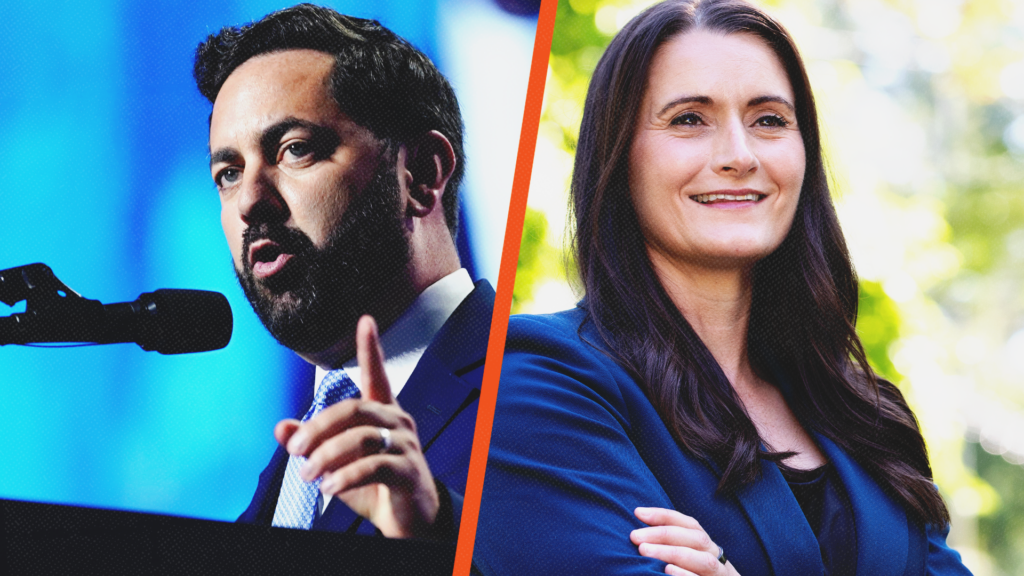
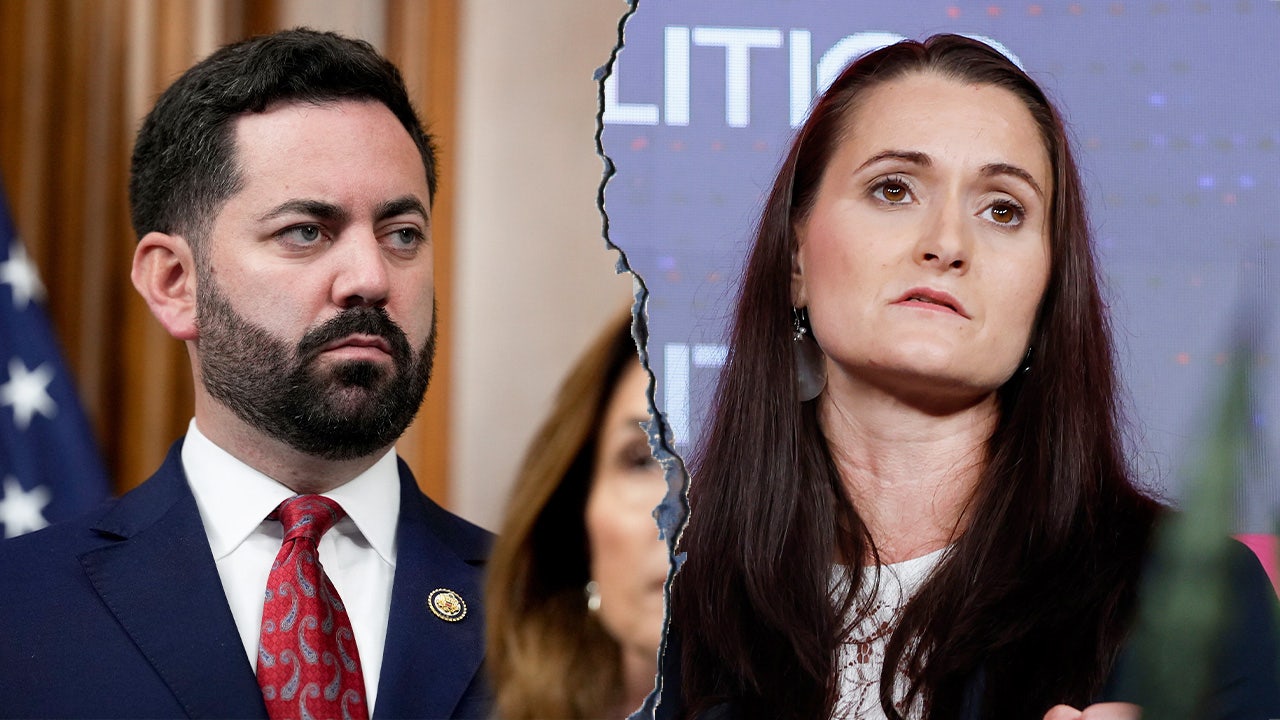
In the state's 17th congressional district, which includes the lower Hudson Valley, Democratic challenger Cait Conley, a combat veteran who served on the Biden administration's National Security Council, could unseat incumbent Republican congressman Mike Lawler in one of the most consequential races of the midterms.
uncertain
who → include → midterms
The highly contested purple district voted for former Vice President Kamala Harris in the 2024 election while reelecting Lawler for his second term.
asserted
district → contest → term
Now, Lawler is attempting to win a third term as support for President Donald Trump wanes ahead of the midterms.
asserted
support → attempt → midterms
As of Friday, The Cook Political Report lists the race, which could determine control of the House, as a toss-up.
uncertain
which → list → up
If elected, Conley would have far more in common with the "Badass Women" coalition of security state and military veterans than with DSA types (think more Sen. Elissa Slotkin from Michigan than Darializa Avila Chevalier).
asserted
Conley → elect → Chevalier
As Judge Street Journal's Timmy Facciola notes, "Conley's candidacy is testing the viability of a tactful centrism that rebukes left-wing positions like abolishing ICE or restricting weapon shipments to Israel."
asserted
that → note → Israel
Lawler is also vying for moderates, pitching himself as "one of the most bipartisan members of Congress" and emphasizing his willingness to break with Trump occasionally while still welcoming Trump's support.
asserted
Lawler → vie → support
While Lawler and Conley certainly are not pure MAGA acolytes or DSA members, both have leaned into a tech-critical position, much like that of more radical populists like Lina Khan or Steve Bannon, revealing how pervasive anti-tech sentiment has become in mainstream politics.
asserted
sentiment → lean → politics
This tech skepticism was on full display during an October 14 debate, when each candidate made the case for why they were the most equipped to regulate AI, insisting that the industry needs guardrails.
asserted
industry → make → guardrails
Conley said members of Congress do not want to regulate AI because "they want to look out for their billionaire and trillionaire backers like Elon Musk, who is pouring over $260 million into this midterm election."
asserted
who → say → election
She then added that Musk backed Lawler in his 2024 race.
asserted
Musk → add → race
Lawler then accused Conley, who previously consulted for Primer AI, of being "the AI candidate for the AI industry."
asserted
who → accuse → industry
While Lawler and Conley disagree on specific data center regulations (Conley supports Democratic Gov. Kathy Hochul's data center moratorium while Lawler supports local zoning control over data centers), neither wants to pitch themselves as an explicitly pro-data center candidate.
asserted
neither → disagree → candidate
During the debate, Conley claimed that, "On Mike Lawler's watch there have been five data centers built in Rockland County."
asserted
Conley → claim → County
Lawler has said that he had no say in the decision to build the data centers, and during the debate, he pointed out that the facilities were built for financial services.
asserted
facilities → say → services
Lawler also attempted to attack Conley over data centers, slamming her in an ad for saying "we need data centers."
asserted
we → attempt → centers
Regardless of the candidates' specific policies on data centers, their attacks on one another demonstrate that cheerleading hyperscale data center development is a political liability.
asserted
cheerleading → demonstrate → development
In their district, data center has presumably become a dirty term.
asserted
center → become → district
The candidates' tech-skeptical rhetoric did not end with unchecked data center development.
asserted
rhetoric → end → development
After the debate, Reason asked both candidates about their positions on age-verification laws for social media and AI, since such regulations raise significant privacy and censorship concerns by age-gating the internet.
asserted
regulations → ask → internet
Unsurprisingly, both Lawler, who voted for the controversial KIDS Act, and Conley, who has proposed stricter age verification for AI tools, parroted platitudes about why such online safety regulations are necessary to protect children.
asserted
regulations → vote → children
"We have watched how social media is literally hurting the mental health of children," Conley told Reason.
asserted
Conley → watch → Reason
"And when you talk about the power of AI and what that power could do, we have to regulate this."
uncertain
we → talk → this
Lawler gave a similar response, telling Reason that he respects free speech but that protecting children "is paramount."
asserted
protecting → give → children
This bipartisan consensus over social media regulation has long been brewing in Congress.
asserted
consensus → brew → Congress
And it appears both Lawler and Conley have figured out which way Americans' sentiment toward AI is leaning, and they have waged their campaigns accordingly.
asserted
they → appear → campaigns
 The Aporia