Can you imagine a universe without a new 'Star Trek' on the horizon?
asserted
you → imagine → horizon
Ask actress Jeri Ryan about the endurance of Star Trek, and she answers with the earnestness of a truly converted fan.
asserted
she → ask → fan
"The way that Star Trek has always held a mirror up to society and always been political in a non-threatening way … it's fascinating to me.
asserted
it → hold → me
It was groundbreaking," said Ryan, who knew little about Trek when she joined Voyager in 1997 to play the character Seven of Nine.
asserted
she → say → Nine
Ryan marveled at how the original series, which debuted on NBC in 1966, featured a Russian character as the Cold War was raging in real life, alongside a Black female officer and a Japanese helmsman, sending a not-so-subtle message of what it might take to survive and thrive in the future.
uncertain
it → marvel → future
"It was an optimistic view … of what we could achieve if we stop screwing it up," she added, ruefully.
uncertain
she → achieve → it
"If we learn to appreciate and celebrate our differences and stop being afraid of everyone who is different from us.
asserted
who → learn → us
"
Star Trek officially notched its 60th birthday last week, joining a select few TV and film franchises that have survived six decades of pop culture upheaval.
asserted
that → notch → upheaval
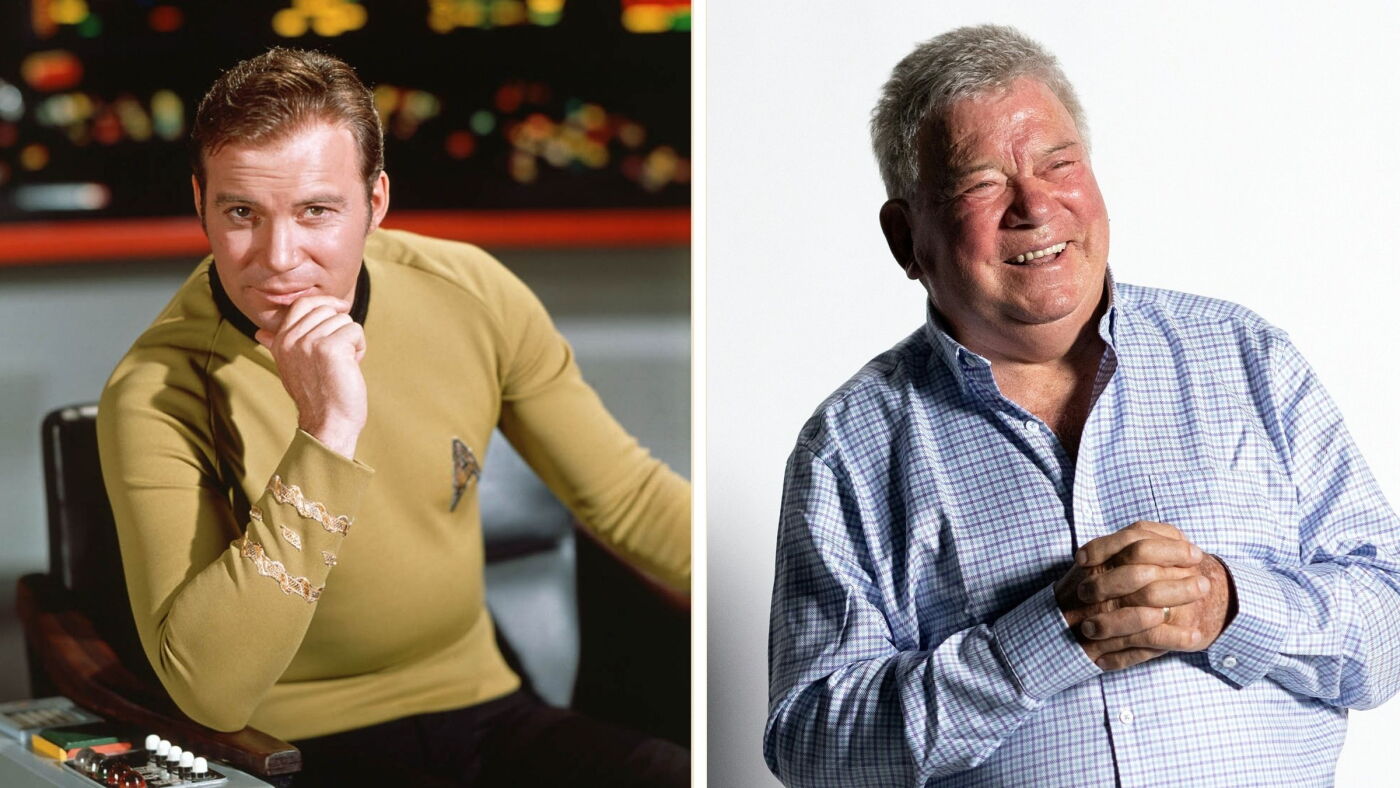
The original series, starring William Shatner as Capt. James T. Kirk and Leonard Nimoy as Mr. Spock, aired for three seasons on NBC.
asserted
series → star → NBC
It gave rise to a franchise of TV shows, films, video games, novels, comic books, conventions and collectibles.
asserted
It → give → shows
They're all centered on characters connected to Starfleet — an exploratory and peacekeeping armada co-founded in the distant future by humans, who scoot between planets in giant starships and are connected to other alien species in a United Federation of Planets.
asserted
who → center → Planets
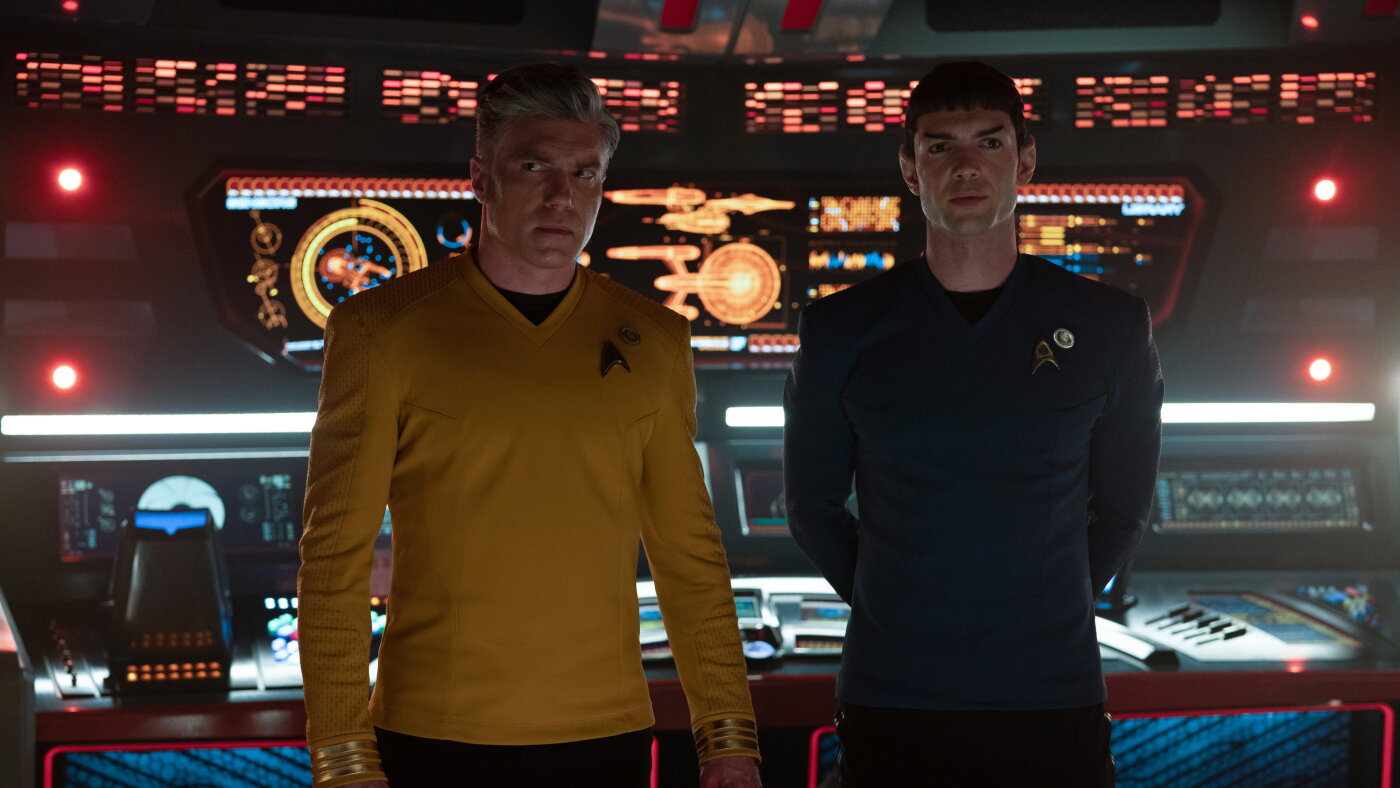
In the streaming era, Trek has spawned seven series and a movie, including Discovery in 2017, the animated series Lower Decks in 2020 and the last two franchise TV series, both planning to wrap up their runs: Starfleet Academy and Strange New Worlds.
asserted
both → stream → Academy
And that is where Star Trek's biggest challenge in many years may begin.
uncertain
challenge → begin → years
Though an executive at Paramount+ told Deadline that the company wants to find a new iteration of Star Trek — and a new writing team is also supposedly working on a script for a new Trek movie for Paramount Pictures — there is no definitive film or TV show announced yet.
asserted
team → tell → Pictures
If no new Trek projects are revealed soon, next year may mark the first time in about a decade that there have been no new Star Trek TV series or movies in production.
uncertain
year → reveal → production
Why Star Trek may need a break
Critics have a lot of ideas about why Trek might not be resonating with new fans, from dissatisfaction with the direction of recent series, to the limitations of Paramount+, where most new iterations of the franchise have been confined.
uncertain
iterations → need → franchise
Akiva Goldsman, who co-created and serves as co-showrunner on Strange New Worlds, admits that some traditionalist fans may have objected to the big creative swings that the series has taken during its run, including a musical episode and an episode in which most of the crew of the Enterprise is transformed into Muppet-like puppets.
uncertain
most → co → puppets
Still, he says Trek's appeal as a morality play that shifts with the times is key to its enduring appeal over decades.
asserted
that → say → decades
"[Its] about optimism, about exploration, about this notion that decency and kindness and empathy are the strengths of our culture," he said.
asserted
he → it → culture
"I think the world often isn't that.
asserted
world → think → ?
And I think we often yearn for that."
asserted
we → think → that
Goldsman saw firsthand how early Trek conventions in the mid-1970s pioneered the gigantic science fiction and fantasy-based fan conventions of the modern era.
asserted
conventions → see → era
He keeps the program from his first convention in 1974 framed in his office, remembering how fans from across the country gathered to watch an episode screened in a theater with better color and more scenes than the TV version.
asserted
fans → keep → version
"From that point on," he said, "all we wanted was more."
asserted
we → say → point
Goldsman blames the impact of streaming TV for reducing viewers' desire to see lots of seasons of one series.
asserted
Goldsman → blame → series
"Maybe people just want one or two great seasons of everything and then they move along," he said.
asserted
he → want → everything
"This relationship that we once had with entertainment, was also when there was far less entertainment."
Have changing attitudes about the future made
asserted
attitudes → have → future
But Ira Steven Behr, who was showrunner for Deep Space Nine over four seasons in the '90s, has a different point of view on Trek's challenges.
asserted
who → have → challenges
A notorious contrarian with a goatee dyed blue, Behr says Star Trek was born during a time when people believed — amid unrest over the Vietnam War, the Civil Rights Movement and assassination of President John F. Kennedy — that the world could get better through movements that brought massive change.
uncertain
that → dye → change
And, thanks to the success of the space race and moon landing, people also believed technology would be a big part of that success.
asserted
technology → believe → success
"The secret message of Trek is that technology is good and that in the [future] it will be even better and its impact on our lives will be both beneficial and benign," Behr said, rattling off gadgets from the Trek universe that fans love.
asserted
fans → say → that
These days, he added, in a world filled with divisive social media, disinformation spreading across the internet and a backlash against data centers powering artificial intelligence, few still believe the future will be better thanks to technology.
asserted
future → add → technology
"Those two major thoughts that Star Trek kinda relies on don't make it anymore for people," Behr said.
asserted
Behr → rely → people
"That s*** doesn't fly."
asserted
* → fly → ?
Some professed Trek fans say the new shows are too focused on identity issues or classically liberal causes — saying it's grown too "woke."
asserted
it → profess → issues
Behr noted some of those fans seemed focused on big space battles and high adventure episodes, with little patience for the smaller, emotional storylines.
asserted
some → note → storylines
"All these spaceships would explode and everyone dug it so much and no one's thinking about the hundreds of people getting killed," he added.
asserted
he → explode → people
"Now I realize there's a whole segment larger than anyone thought that would watch Trek for those explosions.
asserted
that → realize → explosions
They're not interested in any larger thing the show is saying."
asserted
show → say → thing
Balancing fan expectations with the need to innovate
Relaxing in his Nashville home after completing filming of all Strange New Worlds' final episodes, star Anson Mount, who plays Capt. Christopher Pike, is feeling a bit like a favorite summer camp has ended.
asserted
camp → balance → Pike
…and 24 more, not listed.