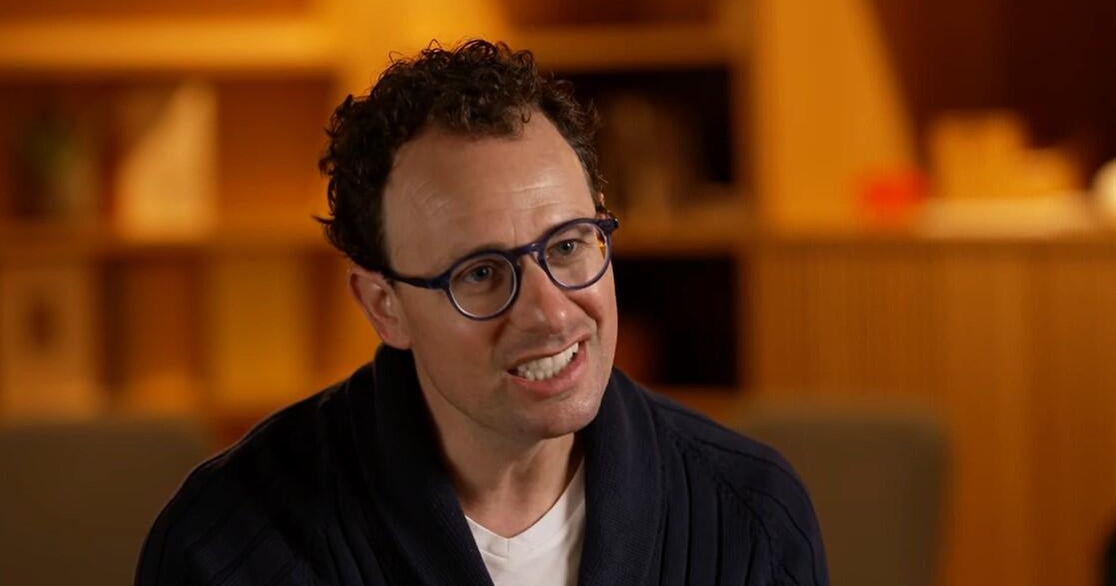
Just a few years ago, applying to a prestigious university computer science program might have been a no-brainer for a student like Mahimn Patel.
uncertain
applying → apply → Patel
Mr. Patel, 18, built software for fun in high school, including an app that helped his classmates track their volunteer hours, and an artificial intelligence agent for realtors in Texas.
asserted
classmates → build → Texas
During a recent video interview, he had multiple AI agents running in the background debugging his latest hobby horse, an AI-enabled app for stock trading.
asserted
agents → have → trading
Getting into computer science, a notoriously competitive program at top Canadian schools, wouldn’t have been a problem for Mr. Patel.
asserted
science → get → Patel
He graduated from Central Peel Secondary School in Brampton, Ont., in June with a 97 average.
asserted
He → graduate → average
But Mr. Patel decided not to apply for a computer science program.
asserted
Patel → decide → program
He chose to pursue a degree in applied mathematics at the University of Toronto, where he started classes last week.
asserted
he → choose → classes
“It’s mathematics and physics that develop your brain the most after four years of education.
asserted
that → ’ → education
With AI, that development is what matters more,” he said.
asserted
he → matter → AI
“Because if you can think more creatively and more rigorously on your own, you’re able to actually use the AI better.
asserted
you → think → AI
Other Canadian high-school students – and their parents – are looking at how AI is revolutionizing higher education and the workplace and making a similar calculation, though the jury’s still out on how the job market will adapt to that change.
asserted
market → look → change
Applications to undergraduate computer and information systems programs have plunged at universities in Ontario, the only province that makes aggregate application data public.
asserted
data → plunge → Ontario
In the most recent admissions cycle, the number of applications to computer and information systems fell to 45,260, down 44 per cent from a high of just more than 80,000 applications in 2023, according to the Ontario Universities’ Application Centre.
uncertain
number → fall → Centre
(Information systems degrees generally combine IT and business management.)
asserted
degrees → combine → IT
It happened as the overall number of applications grew in the face of Ottawa’s crackdown on international student visas, which hit colleges harder than universities.
asserted
which → happen → universities
And while there isn’t necessarily a straight line between the number of applications a program receives and the number of students it admits, about 2,500 fewer students have accepted offers to start undergraduate computer science degrees in Ontario this fall compared to two years ago.
asserted
students → be → Ontario
“This is true all over the world,” said Mark Daley, the chief AI officer at Western University in London.
asserted
Daley → say → London
Government funding and university priorities factor into the number of students admitted to computer science, and emerging specializations in AI are becoming more popular.
asserted
specializations → admit → AI
But computer science leaders at universities in other provinces are seeing the same overall drop in applications.
asserted
leaders → see → applications
This suggests Ontario’s figures aren’t an outlier.
uncertain
figures → suggest → ?
Teenagers raised in the just-learn-to-code era worry that AI can already do much of a junior software engineer’s job, and they’re not sure that making “artisanal bespoke human code, like it’s the sourdough bread from the local bakery, is going to be a great job market,” Prof. Daley said.
asserted
Daley → raise → bakery
Waning interest in computer science degrees is to be expected.
asserted
interest → expect → degrees
Big Tech stalwarts such as Meta, Google, Shopify, Oracle, Amazon and others have laid off tens of thousands of workers in recent years.
asserted
stalwarts → lay → years
The internet is awash in stories of young tech workers struggling in a brutal job market.
asserted
internet → struggle → market
And it’s not the first time a broad technological shift has caused students to feel skittish.
asserted
students → ’ → ?
In another sense, it’s a surprise.
asserted
it → ’ → sense
Artificial intelligence threatens jobs of all kinds.
asserted
intelligence → threaten → kinds
But it was born of computer science, and leaders in the field say students will still be the vanguard; programs are tailoring their offerings as such.
asserted
programs → bear → offerings
Surely young people who understand how generative AI works and know how to build with it have the best shot at a safe future?
asserted
AI → understand → future
Either way, trends in computer science education underscore a dilemma facing many teenagers and twentysomethings, regardless of what they want to be when they grow up.
asserted
they → underscore → teenagers
AI is improving so fast that no students know what awaits them on the other side of a degree.
asserted
what → improve → degree
“We don’t know what the labour market is going to look like five or 10 years from now,” said Prof. Daley, who was also vice-chair of the Council of Ontario Universities’ AI Task Force.
asserted
who → know → Force
“I don’t think there’s going to be a complete apocalypse of jobs and there’ll be nothing for humans to do.
asserted
humans → think → jobs
But I think the nature of what we do is going to change.”
asserted
we → think → what
Luigi Benedicenti, a professor and dean in the Faculty of Computer Science at the University of New Brunswick, used to be greeted by big groups of students and their eager parents when he spoke at high-school recruitment fairs or university orientation events a few years ago.
asserted
he → use → fairs
Computer science – where students typically studied coding, computer architecture, advanced algorithms and computational theory, among other subjects – was a hot program.
asserted
students → study → subjects
His audience viewed it as a ticket to the good life.
asserted
audience → view → life
That began to change recently, Prof. Benedicenti said.
asserted
Benedicenti → begin → ?
Although UNB, like many Canadian universities, does not disclose application figures for individual programs, the dean said applications plunged two years ago.
asserted
applications → disclose → programs
That’s when computer science suffered the one-two punch of federal restrictions on international student visas and a growing public recognition of AI’s coding prowess, he explained.
asserted
he → ’ → prowess
…and 67 more, not listed.
 The Aporia