When the U.S. and Israel launched attacks against Iran earlier this year, Tehran responded by striking energy infrastructure across the Gulf.
asserted
Tehran → launch → Gulf
The result was a severe shock to global energy markets that continues to this day.
asserted
that → continue → day
Less publicized at the time were its strikes on another kind of infrastructure: data centers.
asserted
strikes → publicize → infrastructure
Similar attacks have since taken place in Russia and Ukraine, where both sides have been trading tit-for-tat strikes on data centers.
asserted
sides → take → centers
Experts say these attacks represent a new front in warfare, in which facilities powering the technology behind many critical industries have become military targets.
asserted
facilities → say → industries
The AI boom has led to a surge in demand for computing power, data storage and cloud services, making the data centers that provide them a crucial part of modern infrastructure.
asserted
that → lead → infrastructure
A mass of data center construction is currently underway in the U.S., and tech companies are investing hundreds of billions of dollars a year to meet AI demand.
asserted
companies → invest → demand
Telecommunications companies, banks, hospitals and energy suppliers all rely on them.
asserted
companies → rely → them
“Data centers are now on the critical path for modern digital infrastructure,” Kirk Cameron, founding director of the Institute for Advanced Computing at Virginia Tech, tells TIME.
asserted
Cameron → found → TIME
“The loss of key data centers could collapse economies, disrupt public and private transportation with loss of GPS, and affect government essential services for health, emergency dispatch, and power grids.
uncertain
loss → collapse → health
Military use of AI for targeting and information processing has made data centers crucial to fighting a war.
asserted
centers → make → war
Ukraine uses AI for an array of battlefield functions such as drone targeting, battle planning, and missile analyzing Russian missile attacks.
asserted
Ukraine → use → attacks
U.S. tech companies such as Palantir now work closely with Ukraine’s military to develop new AI-powered weaponry, taking advantage of the ability to immediately test their technology on the battlefield.
asserted
companies → work → battlefield
The U.S. military also uses Palantir’s Maven system to help identify targets for strikes.
asserted
military → use → strikes
“Data centers are competitive advantages in warfare,” Cameron says.
asserted
Cameron → say → warfare
“Knocking out capabilities means potentially crippling combat operations for an adversary.
asserted
Knocking → knock → adversary
It’s also a form of economic warfare and could lead to longer-term competitive challenges for the target.”
uncertain
It → ’ → target
Where have data centers been attacked?
asserted
centers → attack → ?
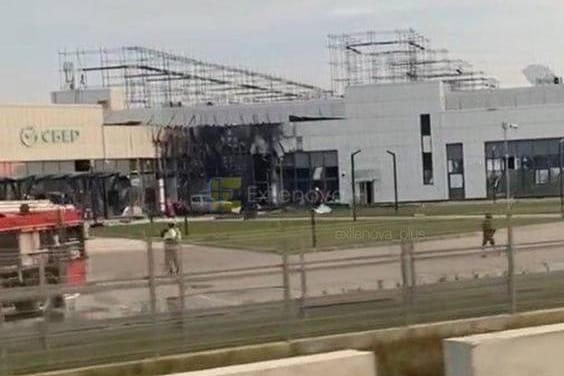
The first wave of attacks on data centers was carried out in March this year by Iran, when it launched strikes on two Amazon facilities in the United Arab Emirates (UAE) and another in Bahrain was damaged by a nearby drone strike.
asserted
another → carry → strike
Those facilities have been mostly offline ever since; Amazon said on Sept. 15 that it had been “unable to restore access to the resources and data” hosted in those two regions.
asserted
it → say → regions
Russian attacks on Ukrainian data centers in late September disrupted television broadcasts and internet access.
asserted
attacks → disrupt → broadcasts
Russia’s Defense Ministry said it was striking data centers because they “process and transmit intelligence data for the Ukrainian Armed Forces.”
asserted
they → say → Forces
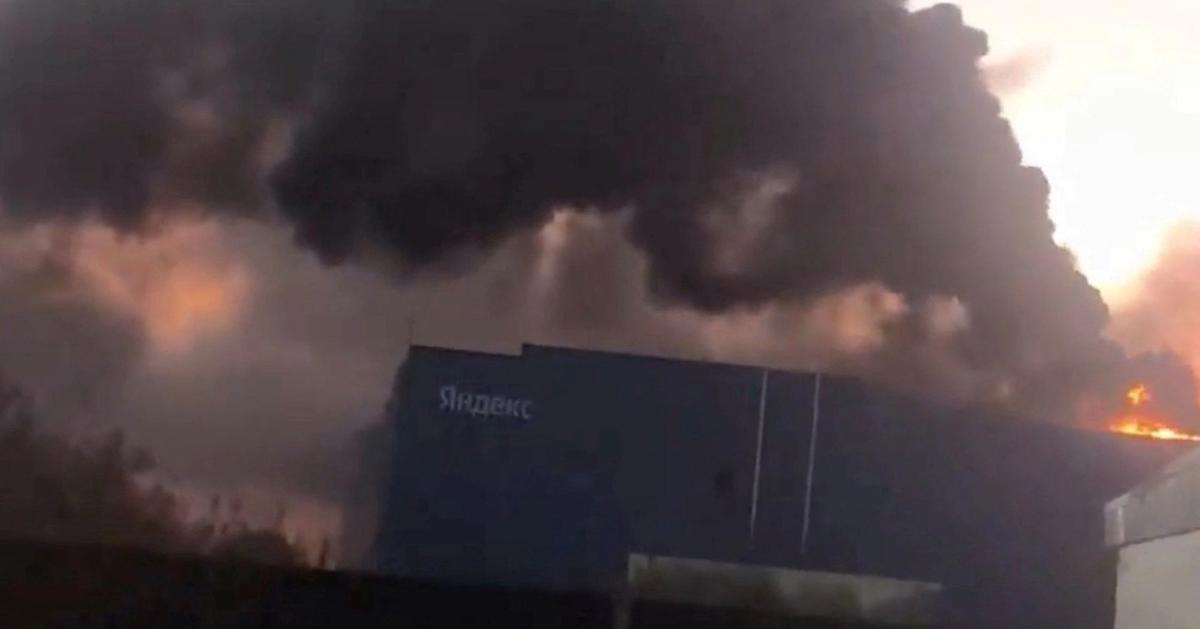
Ukraine’s response began on Oct. 8, and it has since carried out drone strikes on three data centers belonging to tech giant Yandex, often called Russia’s version of Google.
asserted
it → begin → Google
The first site hit, in Sasovo, houses two of the three supercomputers Yandex uses to develop its AI models, Meduza reported, and the outage disrupted several companies relying on Yandex’s cloud services, including Russian Railways, MegaFon, T-Bank, and several media outlets.
asserted
outage → hit → Railways
Following the first strike, Ukrainian President Volodymyr Zelensky defended the retaliation: "We always respond in kind.
asserted
We → follow → kind
You all know that they are hitting and hitting our data centers; we responded to them.”
asserted
we → know → them
How have tech companies responded?
asserted
companies → respond → ?
The spate of attacks over the last year has already caused tech companies to rethink how and where they build data centers.
asserted
they → cause → centers
The United Arab Emirates is reportedly revising plans for a 5-gigawatt AI data center project following the Iranian strikes.
uncertain
Emirates → revise → strikes
The original plan envisioned a 10-square-mile campus in Abu Dhabi, to be built in partnership with American tech companies like Oracle, Nvidia, and Cisco.
asserted
plan → envision → Oracle
Now the data centers will likely be spread out across the UAE, according to officials who spoke to Reuters.
uncertain
who → spread → Reuters
Emily Harding, director of the Intelligence, National Security, and Technology Program at the Center for Strategic and International Studies, believes that data centers have become a new frontline in warfare—and that may require new strategies.
uncertain
that → believe → strategies
“If you’re Russia and you attack a Microsoft data center, is that an attack on Ukraine?
asserted
that → ’re → Ukraine
Is that an attack on a U.S. company and, by extension, the U.S.?” she asks.
asserted
she → ask → extension
The U.S. has largely followed a policy that attacks on American companies do not constitute an attack on the United States, but Harding says the government may need to decide on a new approach “that creates deterrence not just to protect life and health, but also data.
uncertain
that → follow → life
And while the threat to data centers in the U.S. may be relatively low compared to the Gulf and Ukraine or Russia, tech companies will also have to think more about the security of their facilities when building, while trying to keep pace with massive demand.
uncertain
companies → compare → demand
“The knock-on effect is that the companies that own the data centers are realizing they can't protect them, and that kind of calls into question the cloud model in general,” Harding says.
asserted
Harding → knock → model
“They're having to make big adjustments.
asserted
They → have → adjustments
You could see a time in the future where Amazon starts losing business to Microsoft because Microsoft does a better job of hiding where their data centers are.”
uncertain
centers → see → job
 The Aporia