Lost piece of Jesus' world emerges after 2,000 years in extraordinary discovery

Read the original at Fox News ↗
Cite

Margolis, A. (2026, October 15). Lost piece of Jesus' world emerges after 2,000 years in extraordinary discovery. Fox News. https://www.foxnews.com/travel/lost-piece-jesus-world-emerges-2000-years-extraordinary-discovery

Dated from the outlet's own feed. Check the original for its byline.

Fox News · collected 2026-10-15 · by Andrea Margolis

Quick Summary

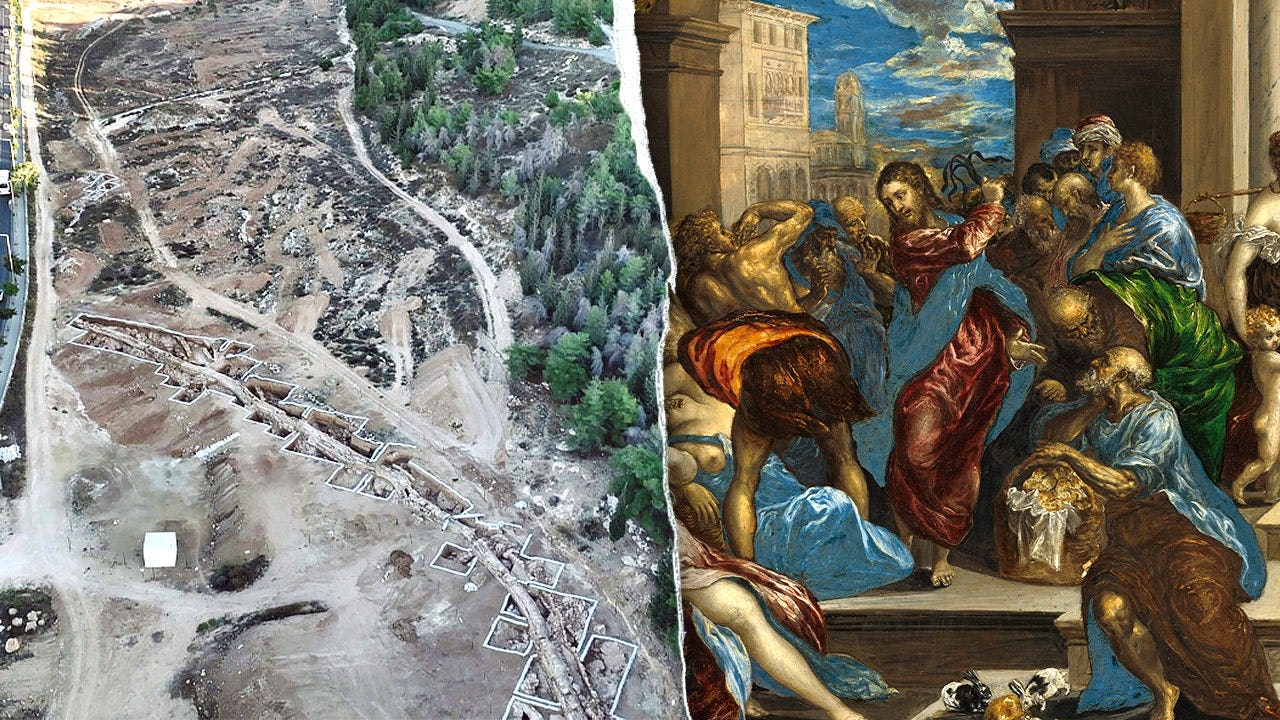
Archaeologists recently discovered a 984-foot section of an ancient aqueduct near Jerusalem that dates back about 2,000 years to the Hasmonean period. This waterway was part of a larger system stretching approximately 13 miles from Solomon's Pools near Bethlehem to Jerusalem’s Temple Mount, supplying water for ritual purification and daily use during Jesus’ time. The Israel Antiquities Authority announced the find on October 11, highlighting its significance in understanding ancient Jerusalem’s technological advancements and religious practices.
Written locally by qwen2.5:14b on 2026-10-15, using this article's own text rather than the other coverage of the same event (that is the story summary below).

AI analysis runs on qwen2.5:14b, locally

Story summary

Archaeologists recently uncovered a 2,000-year-old aqueduct near Jerusalem, which likely supplied water used by Jesus and his disciples, according to biblical scholars. The discovery was announced on October 11 by the Israel Antiquities Authority (IAA) after excavations ahead of a planned residential development. This roughly 984-foot section of the ancient waterway south of Kibbutz Ramat Rachel once carried water from Solomon's Pools near Bethlehem to Jerusalem’s Temple Mount. Constructed during the Hasmonean period, the aqueduct remained in use until about a century ago and relied on gravity to transport water for ritual purification at the Second Temple complex. The IAA plans to preserve and incorporate this ancient engineering marvel into the main entrance of the new residential development, allowing visitors to see it firsthand.

Written for “Ancient Artifact Of Jesus Found” on 2026-10-15, grounded in this article and the 0 other(s) covering the same event.

Story

📰 Ancient Artifact Of Jesus Found
Science · 1 article(s) covering the same event.

Compared with similar articles

Nothing to compare against. No article is close enough to this one for the pipeline to have linked or judged the pair.
How this article was measured signals, leaning charts, publisher record, byline, topics and claims

Signals How these are calculated →

Claims extracted
21
sentences that state something as happening or true
Uncertain
19%
4 of 21 hedged ("reportedly", "may", "according to")
Leaning
not political
takes no side on a contested political question
Publisher signals
68/100
Fox News's corrections and hedging, across everything collected from it. Not a measure of accuracy.
Outlets on this story
1
Science
Same framing elsewhere
1
articles that frame the event the way this one does
Analyzed 2026-10-15 · how these are computed

How this is being covered How these are calculated →

Article leaning vs. publisher reliability
Source leaning vs. consistency

Publisher

Fox News · 4183 article(s) · 8 correction(s) detected
Running correction rate · 8 correction(s)

Who wrote this

Andrea Margolis
38 article(s) here · 1 carrying a prediction
🔮 "Along most of the route, the water flowed along a very gentle gradient, dropping just one meter [3.3 feet] in elevation per kilometer [0.6 miles]." The aqueduct will be preserved and incorporated into the main entrance of the planned residential development, allowing visitors to see the ancient engineering firsthand.
🔮 "Unfortunately, flights to SMX did not meet performance expectations, and SkyWest informed American it will discontinue service as of May 7," the official said.
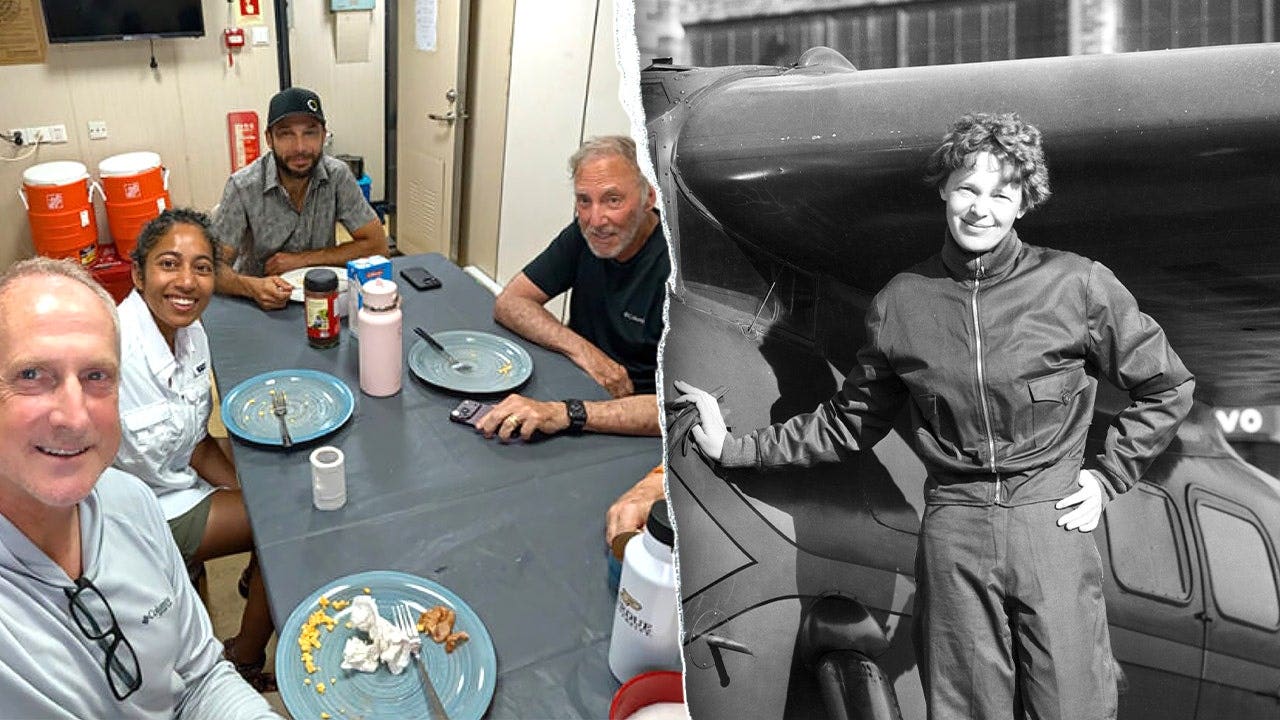
🔮 The crew searching for Amelia Earhart's missing plane has arrived on a remote Pacific island — and they're getting ready to investigate new clues that could shed light on her disappearance.
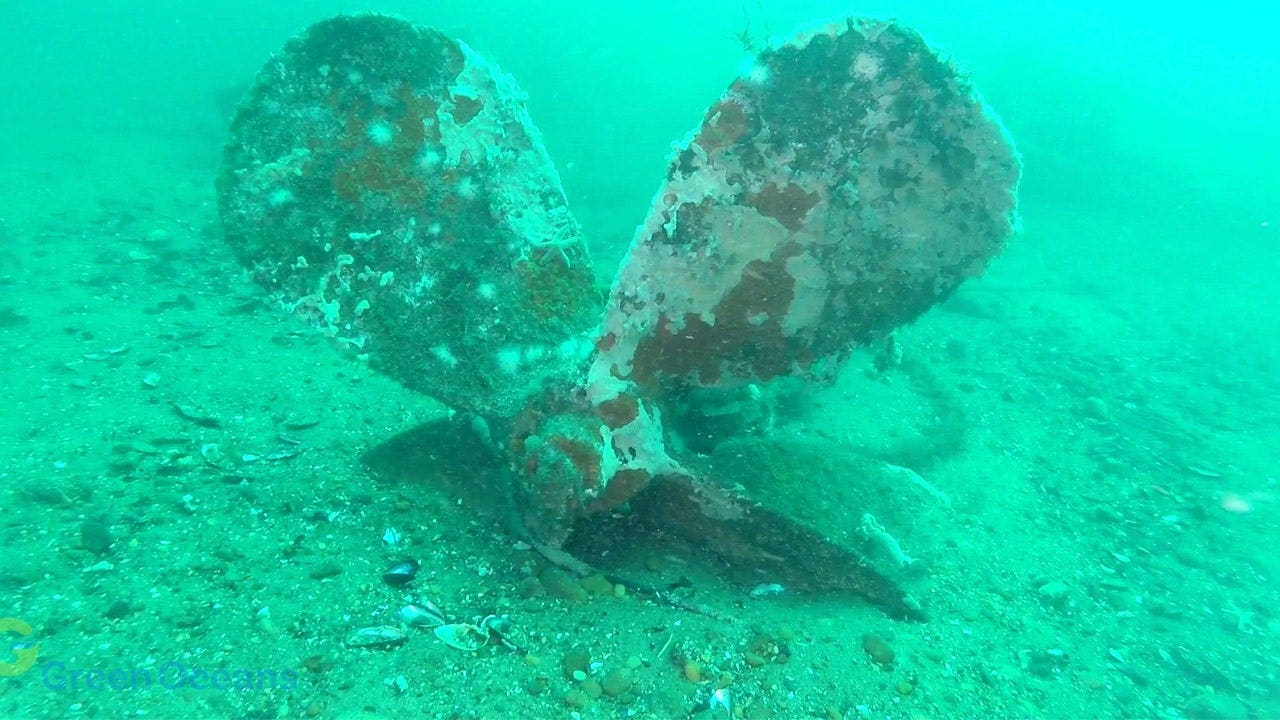
🔮 "With the hull full of water, this maneuver could have ultimately caused the vessel to roll and then sink."
🔮 Sicily's Civil Protection agency warned in September that a recent heat wave could contribute to extreme weather, Reuters reported.
🔮 "This is not the kind of stuff that ordinary Romans would have on their table."
🔮 The National Park Service (NPS) announced Wednesday that Halemaʻumaʻu Trail and part of Byron Ledge Trail would temporarily close amid increased seismic activity and concerns about rockfalls.
🔮 A longtime gem hunter who struck it big with a rare yellow diamond is now opening up about the remarkable discovery — and what it may be worth.
🔮 "Terrorist groups and individuals may attack, and may do so without warning or a pre-meditated target."
🔮 "From a preliminary analysis, it is hypothesized that the items may date back to a time frame between the second half of the 1st century B.C. and the 1st century A.D., with a potential origin area that can be linked to Lazio, Campania or the Iberian Peninsula
Also by Andrea Margolis
Nothing else under this byline is closely related to this article, so these are simply their most recent.
All 38 articles by Andrea Margolis →

Topics

Bethlehem IAA Jerusalem Jewish the Israel Antiquities Authority

Subjects

Estes PERSON · 8× Jerusalem GPE · 7× Bethlehem GPE · 5× Christians NORP · 4× Jesus PERSON · 4× IAA ORG · 2× Jewish NORP · 2× the Israel Antiquities Authority ORG · 2× Benyamin Storchan PERSON · 1× Hasmonean NORP · 1×

Narrative

We think of Rome as being the power in the Mediterranean at the time, and we think of Jerusalem as being a small capital of the city-state, but they were actually advancing in technology at the same time and building their aqueducts together." Beyond its impressive engineering, Estes said the discovery also sheds light on religious practices in ancient Jerusalem and their connections to early Christianity.
framing: assertive · carried by 1 article(s) · first seen 2026-10-15
🔮 "Along most of the route, the water flowed along a very gentle gradient, dropping just one meter [3.3 feet] in elevation per kilometer [0.6 miles]." The aqueduct will be preserved and incorporated into the main entrance of the planned residential development, allowing visitors to see the ancient engineering firsthand.

Claims (21 extracted, 4 hedged)

A 2,000-year-old aqueduct was recently uncovered near Jerusalem — and it likely supplied water used by Jesus and his disciples, according to a biblical scholar. uncertain
it → uncover → scholar
Archaeologists unearthed a roughly 984-foot section of the ancient waterway south of Kibbutz Ramat Rachel — which once carried water from Solomon's Pools near Bethlehem to Jerusalem's Temple Mount. asserted
which → unearth → Mount
The discovery was announced by the Israel Antiquities Authority (IAA) on Oct. 11, following excavations ahead of a planned residential development. asserted
discovery → announce → development
Originally constructed during the Hasmonean period, the aqueduct remained in intermittent use until about a century ago, the IAA said. asserted
IAA → construct → use
The waterway relied on gravity to transport water to the Second Temple complex, the center of Jewish religious life at the time, where it was used for ritual purification and cleaning up after sacrifices. asserted
it → rely → sacrifices
The Second Temple complex was also the setting of the biblical account of Jesus cleansing the Temple, during which he overturned the tables of money changers and drove out merchants. asserted
he → cleanse → merchants
The Lower Aqueduct was "probably built in the time of the Hasmonean kings to supply water to Jerusalem," according to excavation directors Benyamin Storchan, Gil Freid and Rotem Cohen of the Israel Antiquities Authority. uncertain
Aqueduct → build → Authority
"The aqueduct runs about 21 km [13 miles] from Solomon's Pools, south of Bethlehem, to Jerusalem," the directors said in a statement. asserted
directors → run → statement
"Along most of the route, the water flowed along a very gentle gradient, dropping just one meter [3.3 feet] in elevation per kilometer [0.6 miles]." The aqueduct will be preserved and incorporated into the main entrance of the planned residential development, allowing visitors to see the ancient engineering firsthand. asserted
visitors → flow → engineering
"The engineering that was required to make this work is really amazing," Douglas Estes, an associate professor of religion at New College of Florida, told Fox News Digital. asserted
Estes → require → Digital
Estes said the aqueduct's construction reflected Jerusalem's prominence in the ancient world, comparing the significance of such infrastructure to the construction of modern skyscrapers. " asserted
construction → say → skyscrapers
It brought living water from Bethlehem to the Temple Mount, so that sanctification could take place after sacrifice." uncertain
sanctification → bring → sacrifice
"The Hasmoneans, Jewish rulers, were building this aqueduct at the same time that the Romans were building their aqueduct that carried water to the Temple of Jupiter on Capitoline Hill," Estes said. " asserted
Estes → build → Hill
We think of Rome as being the power in the Mediterranean at the time, and we think of Jerusalem as being a small capital of the city-state, but they were actually advancing in technology at the same time and building their aqueducts together." Beyond its impressive engineering, Estes said the discovery also sheds light on religious practices in ancient Jerusalem and their connections to early Christianity. asserted
discovery → think → Christianity
Estes said the aqueduct's water was used for both practical and religious purposes, including cleaning up after sacrifices and performing purification rituals at the Temple Mount. asserted
water → say → Mount
The system, which relied on fresh, or "living" water, also carries symbolic significance for Christians. asserted
which → rely → Christians
Estes said he was "confident" that Jesus, his disciples and other early Christians would have used water supplied by the aqueduct, although direct archaeological evidence of their individual use has not been established. asserted
evidence → say → use
The system, which relied on fresh, or "living" water, also carries symbolic significance for Christians, Estes said. asserted
Estes → rely → Christians
"It brought living water from Bethlehem to the Temple Mount, so that sanctification could take place after sacrifice," Estes said. uncertain
Estes → bring → sacrifice
"For Christians, Jesus is the living water, and therefore … he came from Bethlehem as the living [water] to become the temple, to make the sacrifice of himself for all people." asserted
he → live → people
Estes added, "There is a rich symbolism that we see here in this aqueduct." asserted
we → add → aqueduct

💬Give feedback
🕘History 🎫Support