A cancer survivor hoped to work — then she lost her Medicaid disability coverage
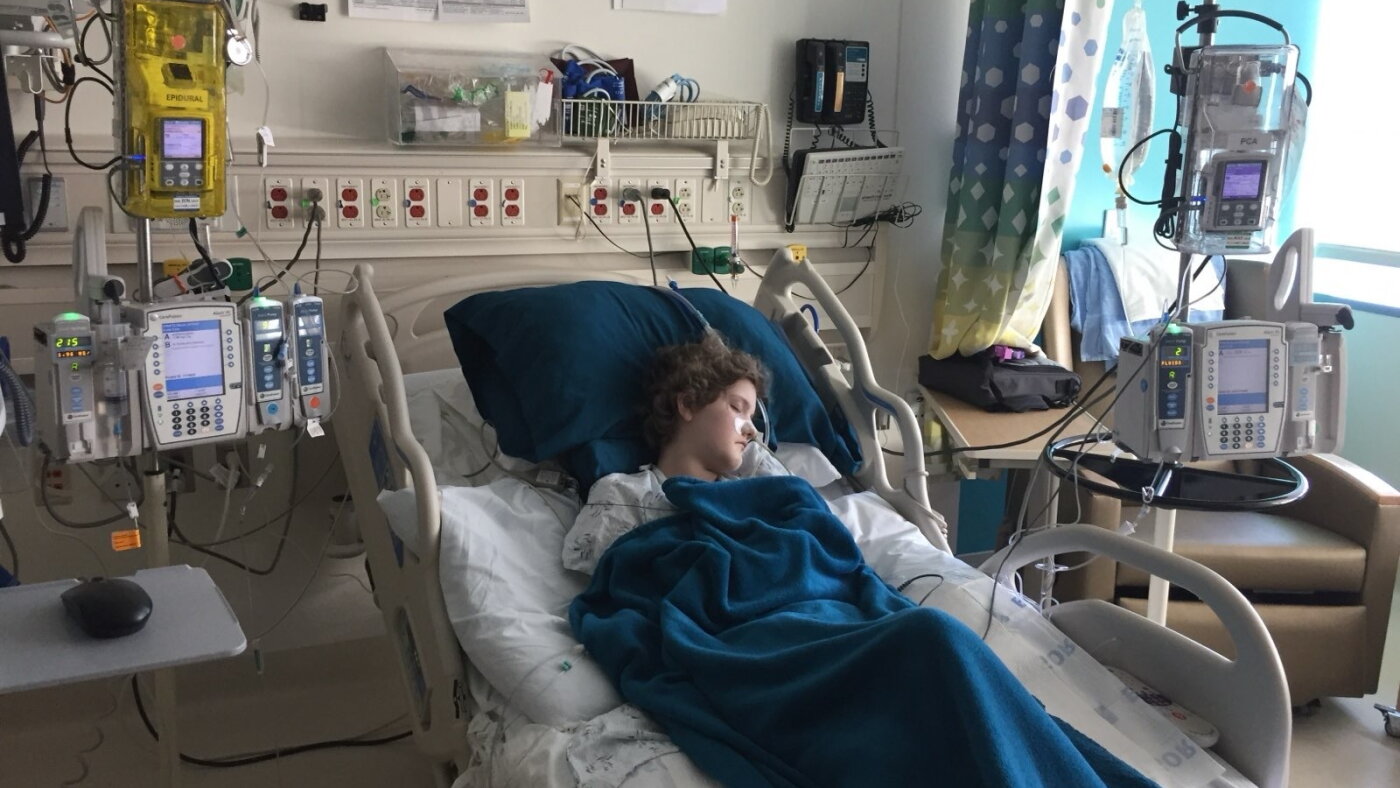
Taya Hailstone has been in remission from childhood Hodgkin lymphoma for five years.
asserted
Hailstone → hop → years
But the cancer's lasting damage to her organs and nerves can make basic tasks, like loading a dishwasher, hard.
asserted
tasks → last → dishwasher
Still, Montana's health department decided last year that Hailstone is no longer eligible for low-cost disability health coverage through Medicaid.
asserted
Hailstone → decide → Medicaid
The department switched her coverage to the state's Children's Health Insurance Program, another Medicaid program — three months before she aged out.
asserted
she → switch → Program
Before making the decision, the state didn't seek records from the medical team treating Hailstone, according to letters from those doctors reviewed by KFF Health News.
uncertain
state → make → News
Rather, the administrative ruling came after state officials learned the now-19-year-old had stopped receiving Social Security disability payments.
asserted
old → come → payments
She said she did that because she hoped to get healthy enough to work and save some money — beyond what's allowed under the strict income caps tethered to those payments.
asserted
what → say → payments
But her health changes day to day, and she said for now she's still too sick to consistently work.
asserted
she → change → day
Hailstone, who lives with her mom, has been able to keep Medicaid coverage while they appeal the case.
asserted
they → live → case
She said that without Medicaid she can't afford the treatment to manage the aftermath of her cancer.
asserted
she → say → cancer
"It feels like this process was made to make you give up," Hailstone said.
asserted
Hailstone → feel → ?
Patients with disabilities have long struggled with administrative hoops, blunders and confusion when trying to qualify for federally subsidized health coverage because of their illness.
asserted
Patients → struggle → illness
Now, new federal Medicaid work requirements mean states face the additional task of deciding who qualifies for a medical exemption.
asserted
who → mean → exemption
That means reviewing medical cases for an even larger swath of Medicaid enrollees.
asserted
That → mean → enrollees
Attorneys, researchers and advocates who specialize in public aid said disability cases like Hailstone's — though separate from the incoming work requirements — are an indication that states aren't ready to decide who should be exempt from those requirements.
asserted
who → specialize → requirements
As a result, they said, more people will be denied coverage in an opaque process.
asserted
people → say → process
"This will be the story of millions of people," said Anthony Wright, who heads Families USA, a national nonprofit that advocates for ways to make healthcare more accessible.
asserted
healthcare → say → ways
Jon Ebelt, a spokesperson with the Montana Department of Public Health and Human Services, said the state doesn't comment on individual Medicaid cases.
asserted
state → say → cases
An estimated 18.5 million people will have to meet the new federal requirements, by proving they're working, going to school, or volunteering to keep their Medicaid coverage, according to the Congressional Budget Office.
uncertain
they → estimate → Office
More than 40% of those enrollees live with a chronic health condition, according to KFF.
uncertain
% → live → KFF
Some will be excused from those rules if they can prove they're too sick to work.
asserted
they → excuse → rules
More than 5 million people are expected to lose Medicaid coverage by 2034 because of the work requirements, according to the CBO.
uncertain
people → expect → CBO
Work requirements become law
asserted
requirements → become → ?
Many Republican policymakers and the Trump administration have touted Medicaid work requirements to preserve coverage for the neediest.
asserted
policymakers → tout → neediest
Congress made that national policy through last year's One Big Beautiful Bill Act and gave states until January 2027 to implement work-for-coverage rules.
asserted
Congress → make → rules
Some states are starting those checks early.
asserted
states → start → checks
Montana began in July.
asserted
Montana → begin → July
Nebraska initiated work requirements in May.
uncertain
Nebraska → initiate → May
In the federal law creating the work requirements, Congress allowed states to exempt people who have an illness that qualifies them as "medically frail."
asserted
that → create → them
Many states created plans for those judgment calls, only to be surprised when federal officials released rules for the requirements that went beyond what Congress outlined, by also requiring enrollees to prove their illness makes it too hard to work.
asserted
it → create → enrollees
Families USA and other organizations have argued the new rules force states to set up a patchwork of systems that, together, would be larger and more complicated than the Social Security Administration's own disability review system.
asserted
that → argue → system
Last year, that federal program cost more than $5 billion to administer to roughly 7 million people nationally.
asserted
program → cost → people
For comparison, Wright said, the federal law provided $200 million for states to share as they implement the work requirements.
asserted
they → say → requirements
States are paying contractors millions of dollars to prepare often already flawed public aid systems to meet the new standards.
asserted
systems → pay → standards
In June, 25 states sued the Trump administration over the medical frailty rules, arguing they're too hard for patients to meet and for states to assess.
asserted
states → sue → rules
Hailstone was diagnosed with blood cancer at age 10.
asserted
Hailstone → diagnose → age
Her intestines tore, which led to their partial removal.
asserted
which → tear → removal
As a result, her body struggles to process food and she can face severe dehydration.
asserted
she → struggle → dehydration
She said lingering side effects from her cancer treatment can leave her mind foggy and cause her hands and feet to swell enough that it's hard to grip a fork or walk across a room.
asserted
it → say → room
Cancer dominated nearly half her life.
asserted
Cancer → dominate → life
…and 31 more, not listed.
 The Aporia