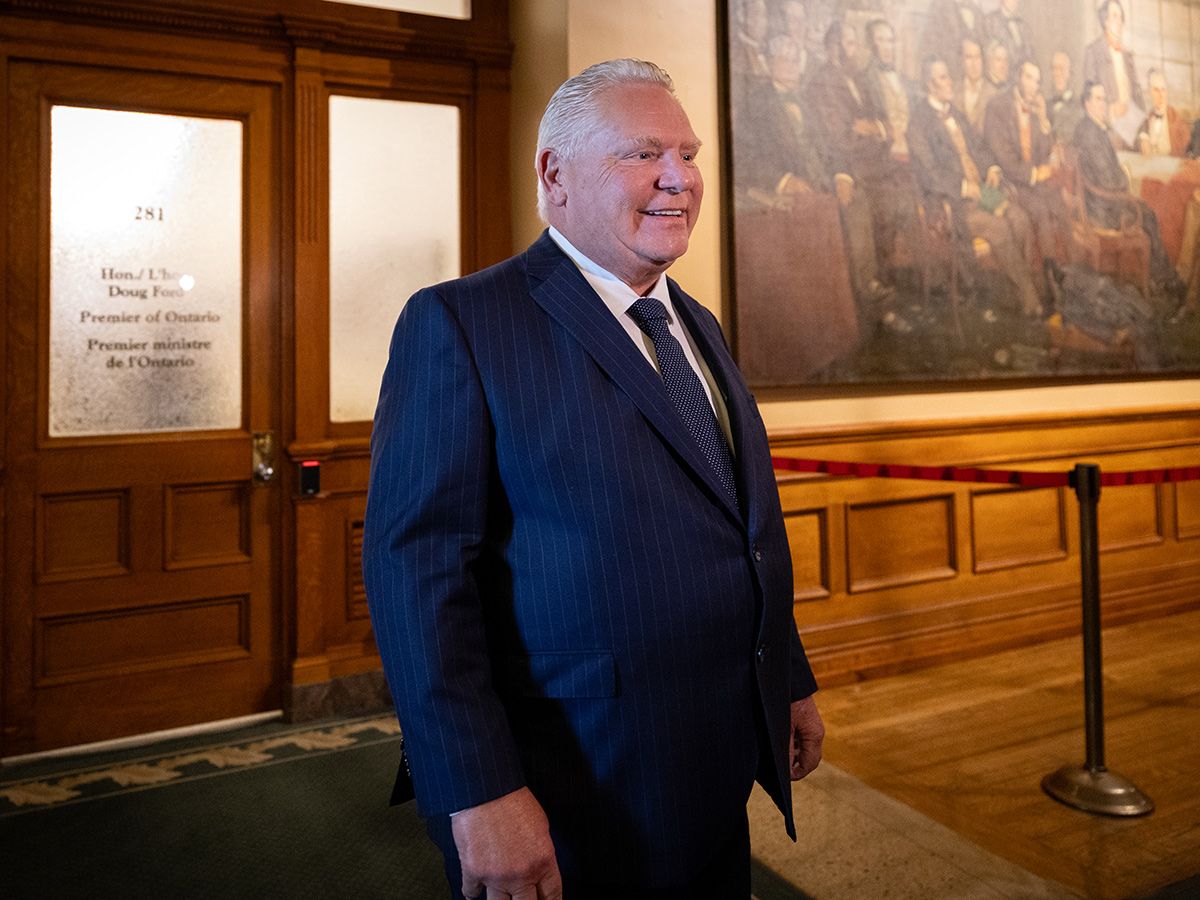
Among the promises that Olivia Chow is making in her bid to be returned as mayor of Toronto is a commitment to make it easier for seniors to remain in their homes.
asserted
seniors → make → homes
Chow, the former federal NDP MP, says she would expand free housekeeping services for seniors, and increase mobile dental and primary-care clinics, ensuring that thousands of seniors, to use her numbers, would be able to avoid leaving homes that they have lived in for generations.
asserted
they → say → generations
Recommended Videos
She also made it easier for this cohort in her budgets as mayor, repeatedly raising the income threshold that allows residents to defer property-tax increases to, as she says, “help more seniors access relief and save their money.”
asserted
seniors → make → money
The thing is, allowing seniors to age in their homes may be a nice sentiment, but it is terrible policy.
uncertain
it → allow → homes
No one disputes this fact and every level of government is insisting in various ways that it is determined to increase housing supply.
asserted
it → dispute → supply
That’s all fine, and housing supply absolutely does need to be increased, especially in low-density areas that for decades have instead prioritized sprawl, but a contributing factor to the lack of housing is that seniors would rather not leave theirs.
asserted
seniors → ’ → theirs
Planners have assumed for ages that this would happen in significant numbers, that seniors would collectively put their large homes on the market and downsize into apartments, condos and retirement homes.
asserted
seniors → assume → apartments
And while that does happen, it hasn’t happened at scale.
asserted
it → happen → scale
People get used to the neighbourhoods in which they have lived for a long time, and there might not be a downsized option for them nearby.
uncertain
they → get → them
They might be reluctant to take the leap into a retirement home or long-term care facility, a feeling that was no doubt exacerbated by the nightmare that some of those places were turned into during the COVID-19 pandemic.
uncertain
some → take → pandemic
They might not want to move into a smaller place because then what would they do with all their stuff?
uncertain
they → want → stuff
It’s not an easy decision to downsize, that is, but it’s also an important one when there already aren’t enough houses to go around.
asserted
it → ’ → ?
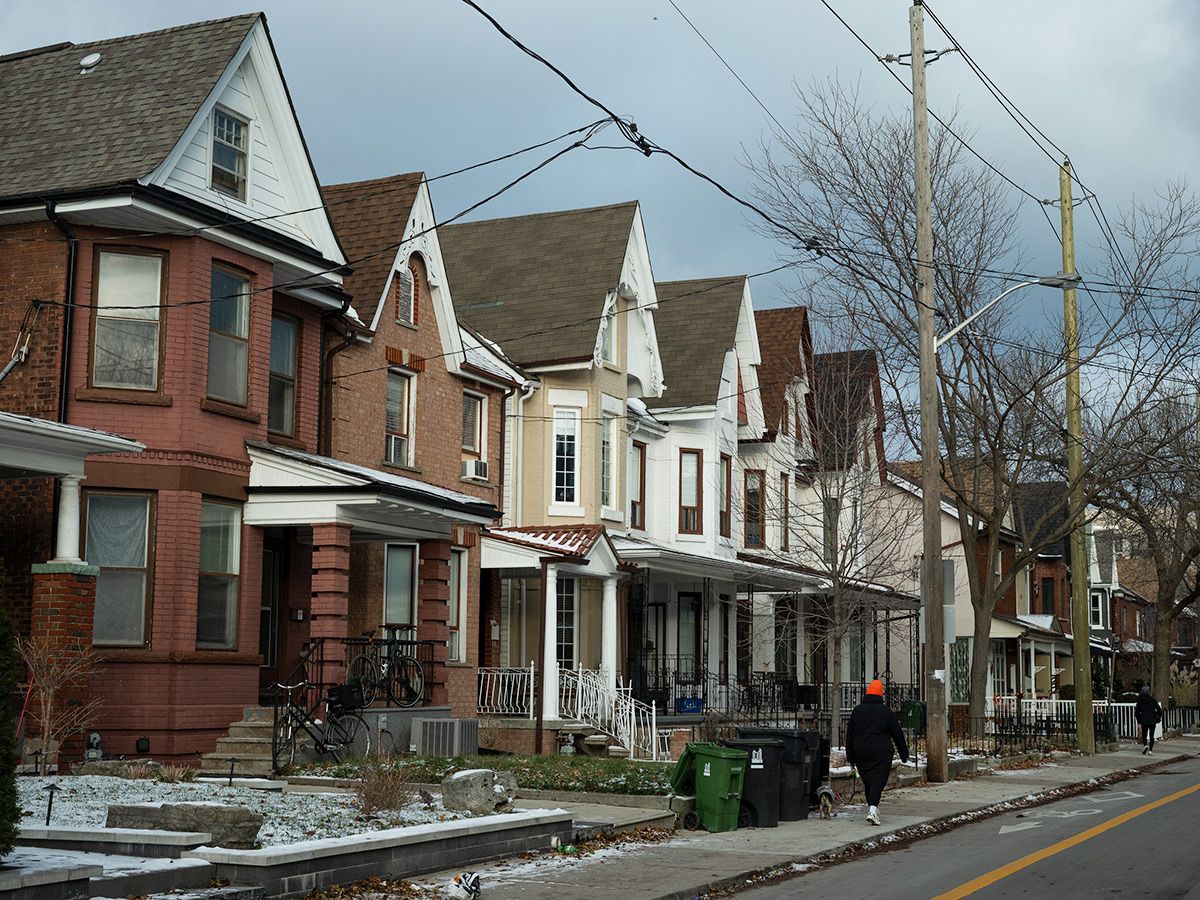
The Chow plan to allow a hypothetical 75-year-old Torontonian on a fixed income to stay in their four-bedroom house alone by sending them free help and deferring tax increases means that one less such home is available for a young family.
asserted
home → allow → family
Chow says her plan is important because demographics mean the senior population in Toronto will rise sharply in the coming years.
asserted
population → say → years
But that has it exactly backwards: incentivizing this growing cohort to remain in homes that are too big for them will only further choke off housing supply and make it harder for young families to stay in the city.
asserted
families → have → city
Chow, it is worth noting, is far from alone in this line of thinking.
asserted
it → note → thinking
Several council candidates are also promising additional breaks for seniors.
asserted
candidates → promise → seniors
To pick one example, Adam Pham, running for a seat in Parkdale-High Park, says he would push for a 25-per-cent discount on property taxes for seniors.
asserted
he → pick → seniors
(He also wants the same for first-time home buyers, which doesn’t quite square with the fact that there will be fewer of those in the ward if you are financially encouraging the seniors to remain in their houses.
asserted
you → want → houses
Alvin Tedjo, one of the candidates running to be mayor of Mississauga, promises a “permanent” property tax freeze for seniors.
asserted
Tedjo → run → seniors
His plan would allow seniors who have lived in the city for 20 years — and who do not own multiple properties — to defer any future property-tax increases until they sell and move out.
asserted
they → allow → increases
Which they would obviously be less likely to do under a guaranteed tax freeze.
asserted
they → do → freeze
Tedjo’s campaign website paints the policy as one that gives a break to residents who deserve nothing less: “This is about protecting long-term residents who have deep roots in Mississauga, and giving them certainty about one of their biggest household expenses.”
asserted
who → paint → expenses
Seniors, he says, “shouldn’t have to worry that rising property taxes will eventually force them out of the homes they worked their whole lives to afford.
asserted
they → say → lives
Except, anyone who has been living in their home for decades would by now be sitting on a massive increase in wealth based on the equity in that home.
asserted
who → live → home
They might find themselves cash poor once they are out of their working years, but the simple solution is to sell the house, cash in on that accumulated equity and use it to fund the purchase of a smaller, more affordable home.
uncertain
solution → find → home
Policies that discourage those transactions aren’t just making it easier on seniors, they’re making it harder on everyone else.
The housing shortage is a complicated problem, and no one tool is going to fix it.
asserted
tool → discourage → it
There has to be an available supply of smaller homes for seniors to move into, for one, and the impediments to getting them built are also proving hard to overcome.
asserted
them → have → one
(It rhymes with “bimbyism.”)
asserted
It → rhyme → bimbyism
But encouraging seniors to stay in their homes isn’t helping.
asserted
encouraging → encourage → homes
They already have a huge wealth advantage.
asserted
They → have → advantage
Subsidizing them to stay put is foolish.
asserted
them → subsidize → ?
 The Aporia