On Oct. 26, Toronto will elect a new mayor, and on transit, they will have their work cut out for them.
asserted
work → elect → them
While over the last few years, there have been announcements about expansions, some service added and new trains ordered, there is still a long way to go.
asserted
trains → add → expansions
Toronto’s streetcars remain slow and unreliable, its subways continue to be plagued by slow zones and there is a sense that basic service has fallen by the wayside.
asserted
service → remain → wayside
Yet the two leading mayoral candidates’ signature transit policies seem more interested in using transit as a means to other policy ends than in making transit itself good, let alone great.
asserted
transit → lead → ends
Incumbent mayor Olivia Chow is pitching a plan to keep single ride fares frozen and bring in a weekly fare cap.
asserted
Chow → pitch → cap
If implemented, the plan would substantially reduce the price of transit for regular riders and help get more people adopt a transit lifestyle, as trips outside those to and from work essentially become free.
asserted
trips → implement → work
But continuing to freeze fares comes at a cost as it makes the system more reliant on tax dollars to fund needed improvements to service.
asserted
system → continue → service
That puts the TTC in direct competition with both the demand for lower taxes and the numerous other city services that need increased funding.
asserted
that → put → funding
In the past, single fares carried a premium over the bulk fare rate which balanced discounts for regular riders with revenue for better service.
asserted
which → carry → service
Freezes have reduced fares in real terms, while the two-hour transfer can allow someone to make several trips on one fare.
asserted
someone → reduce → fare
Continuing to freeze single fares directs resources to occasional riders when the proposed fare cap will lower costs for those who depend on transit.
asserted
who → continue → transit
The FairPass already offers discounted fares to lower-income Torontonians and could be expanded to help offset increases to the single fare, leading to greater equity.
uncertain
FairPass → offer → equity
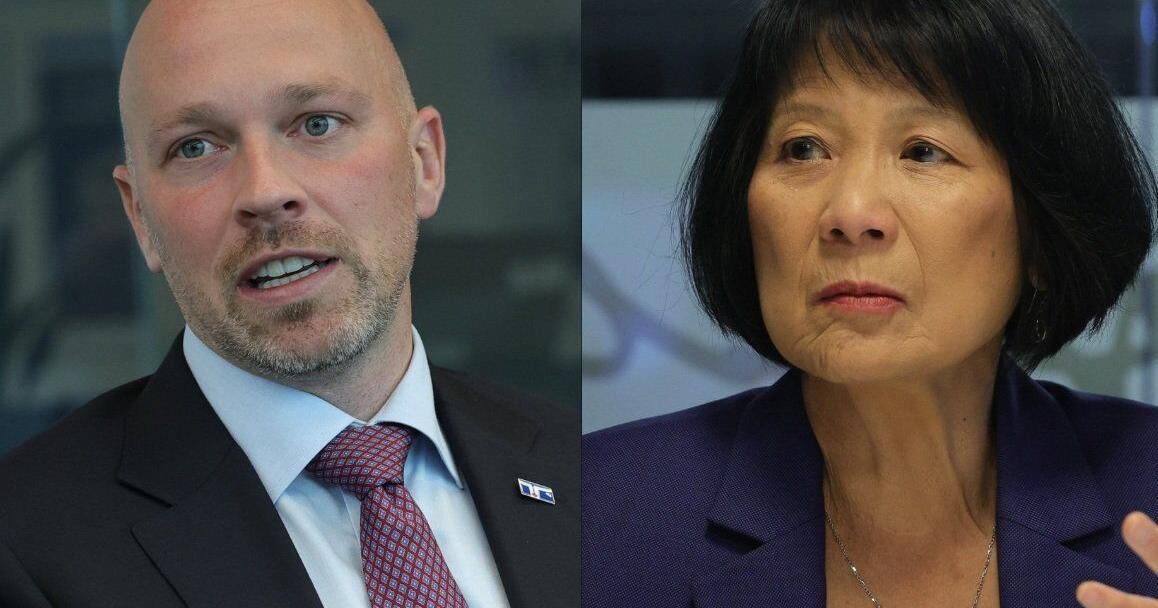
Olivia Chow and Brad Bradford are pitching transit plans, but a new poll shows they are missing what TTC riders want.
asserted
riders → pitch → what
Olivia Chow and Brad Bradford are pitching transit plans, but a new poll shows they are missing what TTC riders want.
asserted
riders → pitch → what
Challenger Brad Bradford, on the other hand, has made platform screen doors (PSD) a centrepiece of his transit platform.
asserted
doors → make → platform
PSDs are standard around the world and make subways safer and more efficient.
asserted
subways → make → world
The TTC estimates their cost at $4.1 billion, several times what comparable cities pay.
asserted
cities → estimate → what
Any major capital plan must rebuild in-house capacity to deliver large projects, or projects such as platform screen doors risk remaining too expensive to deliver.
asserted
projects → rebuild → doors
While there are positive elements of transit policy in the front runners’ plans, they do not speak to how to solve the problems that TTC riders and employees face every day.
asserted
they → be → problems
On the subway, that backbone of Toronto’s public transit, recurring slow zones must be permanently addressed.
asserted
zones → recur → transit
The removal of several before the world cup and their subsequent return in the weeks following highlighted to riders that where there is a will, there is a way.
asserted
removal → follow → riders
On the streetcar and light rail routes, some limited signal changes and speed-ups have been achieved, but these remain exceptions, not the standard.
asserted
these → achieve → routes
Antiquated switches need modernization, slow zones through intersections need addressing, the number of stops needs to be rationalized and more signal priority needs to be expanded and made more aggressive.
asserted
priority → need → stops
Advocates and experts have outlined much of what needs to change, but local councillors and TTC management will need to continually champion these efforts as they need to overcome local and institutional resistance.
asserted
they → outline → resistance
For the bus, which moves more people than any other mode, many of the problems are the same as the streetcar: a lack of careful management and signal priority leads to slow service and bunching.
asserted
lack → move → service
Meanwhile, ever more cars flooding the streets require bold action on bus lanes, which obviously make transit service more reliable, but also reduce car congestion, particularly in central areas where more people are on buses than in private cars.
asserted
people → flood → cars
We can walk and chew gum at the same time.
asserted
We → walk → time
Platform screen doors may make the wait on the platform safer, but riders still judge the TTC by how long that wait is.
uncertain
wait → make → TTC
Equally, a cheaper fare does not sweeten a painfully slow commute.
asserted
fare → sweeten → commute
The number of cars on the road shows how many are willing to pay more for speed and comfort.
asserted
many → show → speed
We need to once again make the TTC “The Better Way.”
asserted
TTC → need → ?
 The Aporia