Toronto housing prices will continue to fall until the end of the year, report predicts

Read the original at Toronto Star ↗
Cite

Warren, M. (2026, October 15). Toronto housing prices will continue to fall until the end of the year, report predicts. Toronto Star. https://www.thestar.com/real-estate/royal-lepage-predicts-toronto-housing-prices-will-keep-slipping/article_061ce33d-00ca-4995-bedf-859f56f2c273.html

Dated from the outlet's own feed. Check the original for its byline.

Toronto Star · collected 2026-10-15 · by May Warren

Quick Summary

Royal LePage predicts that housing prices in the Greater Toronto Area and Greater Vancouver Area will drop by two percent and 4.5 percent respectively in the fourth quarter of 2026, compared to the same period last year. The report attributes this decline to factors such as trade war tensions between Canada and the U.S., ongoing interest rate uncertainty, and reduced consumer confidence due to high costs. Other Canadian metropolitan regions are expected to see modest price gains, with a national aggregate price increase of one percent overall.
Written locally by qwen2.5:14b on 2026-10-15, using this article's own text rather than the other coverage of the same event (that is the story summary below).

AI analysis runs on qwen2.5:14b, locally

Story summary

As of October 15, 2026, Royal LePage predicts that housing prices in Toronto and Vancouver will continue to decline through the end of the year. The report states that the Greater Toronto Area (GTA) will see a price drop of 2%, while the Greater Vancouver Area will experience a decrease of 4.5% compared to the same period last year. According to Shawn Zigelstein, broker at Royal LePage Signature Realty in Richmond Hill, this downturn is due to reduced consumer confidence as people struggle with higher living costs. Additionally, September saw a decline in property listings, limiting buyer options according to Toronto’s real estate board. Trade war tensions between Canada and the U.S., which intensified during the summer, are cited as one of the factors contributing to these market changes.

Written for “Toronto Housing Market Forecast” on 2026-10-15, grounded in this article and the 0 other(s) covering the same event.
Why this leaning score
This article does not take a side on a contested political question, so it has no leaning score. That is an answer rather than a gap: a match report or a rescue can be warmly or critically written without being left or right, and scoring it anyway is how approval of a subject gets recorded as a political position.
No political leaning scored for article 81662 · logged 2026-10-15

Story

📰 Toronto Housing Market Forecast
Economy/Business · 1 article(s) covering the same event.

Compared with similar articles

Nothing to compare against. No article is close enough to this one for the pipeline to have linked or judged the pair.
How this article was measured signals, leaning charts, publisher record, byline, topics and claims

Signals How these are calculated →

Claims extracted
27
sentences that state something as happening or true
Uncertain
4%
1 of 27 hedged ("reportedly", "may", "according to")
Leaning
not political
takes no side on a contested political question
Publisher signals
63/100
Toronto Star's corrections and hedging, across everything collected from it. Not a measure of accuracy.
Outlets on this story
1
Economy/Business
Same framing elsewhere
1
articles that frame the event the way this one does
Analyzed 2026-10-15 · how these are computed

How this is being covered How these are calculated →

Article leaning vs. publisher reliability
Source leaning vs. consistency

Publisher

Toronto Star · 7263 article(s) · 20 correction(s) detected
Running correction rate · 20 correction(s)
2026-10-07
Correction
2026-09-24
Correction

Who wrote this

May Warren
3 article(s) here · 1 carrying a prediction
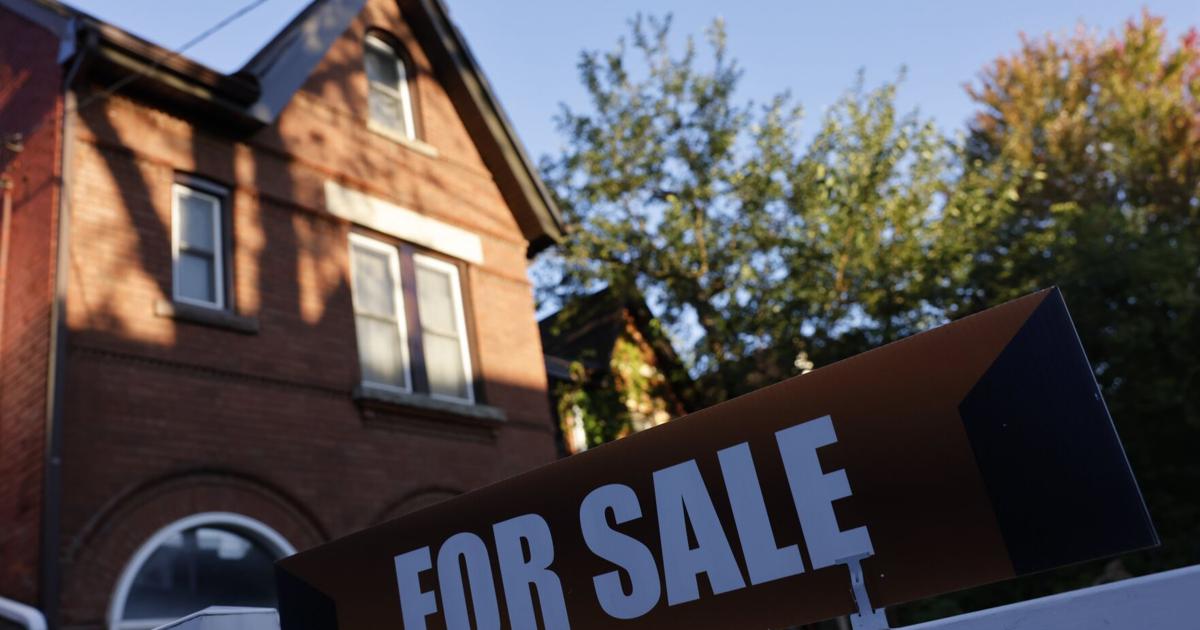
🔮 For years Toronto and Vancouver were the country’s hottest real estate markets, but Royal LePage predicts prices in both cities will continue to slip slightly, the only two Canadian metropolitan regions that will see drops in the final quarter of the year.
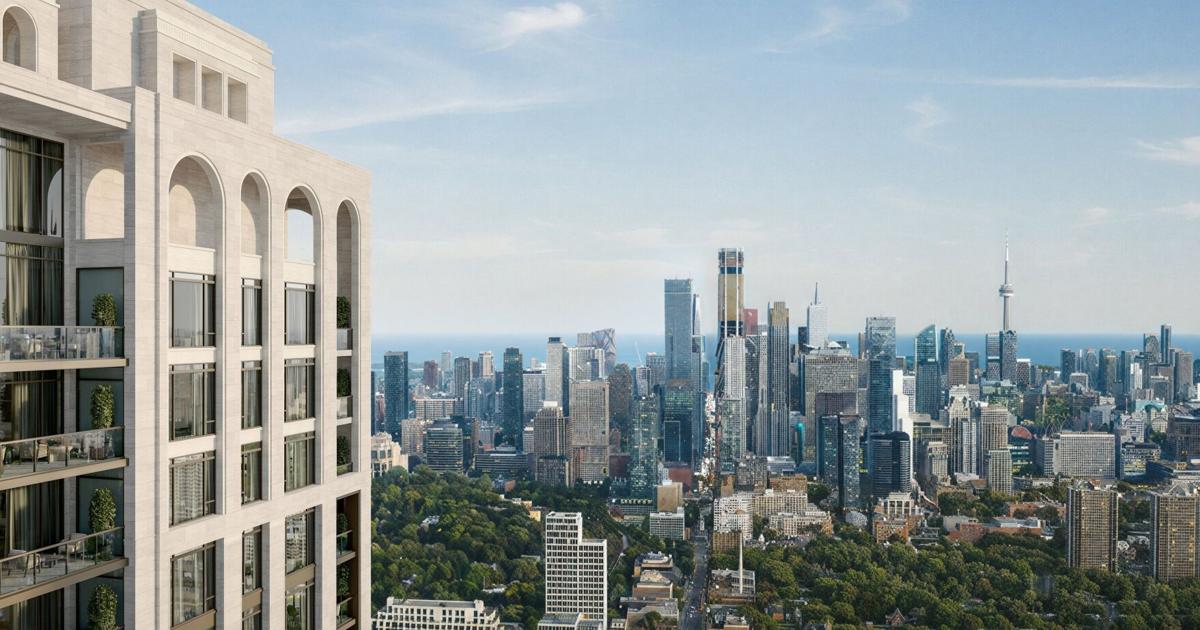
🔮 With a maximum of just three residences per floor, each unit at a planned tower at Yonge and St. Clair will have lots of natural light and plenty of wall space.
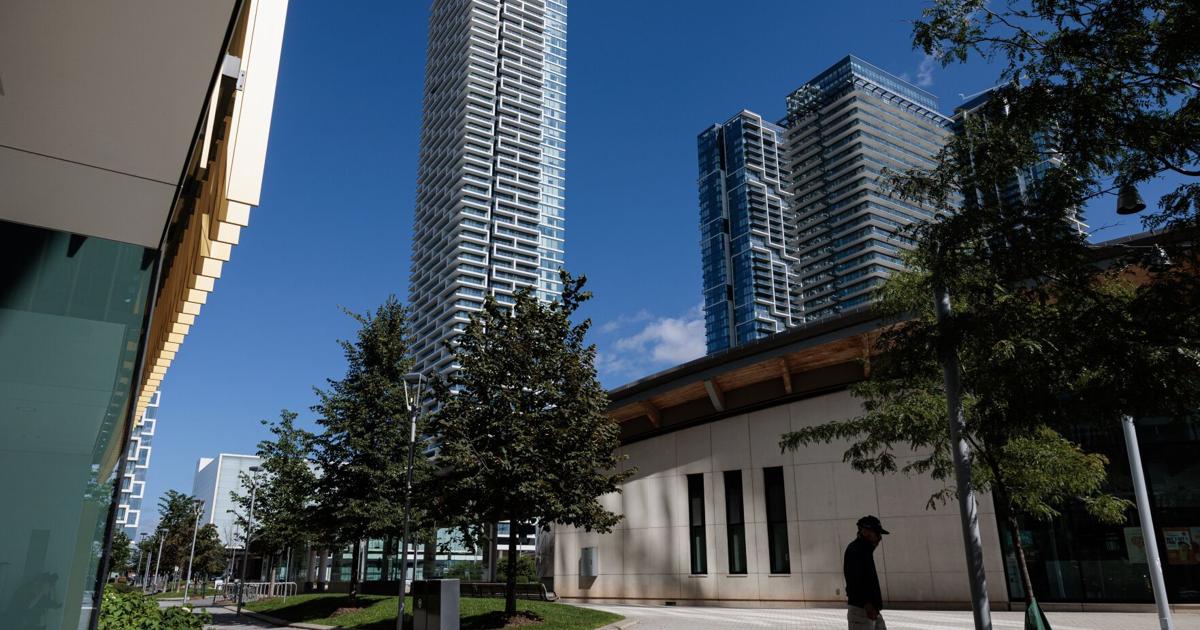
🔮 If Aras Jand could do it over again, he wouldn’t have chosen the condo as his home.
Also by May Warren
Nothing else under this byline is closely related to this article, so these are simply their most recent.

Topics

Canadian Ottawa Royal LePage Toronto Vancouver

Subjects

Toronto GPE · 8× Royal LePage ORG · 4× Vancouver GPE · 4× Ottawa GPE · 2× Zigelstein PERSON · 2× Canadian NORP · 1× Greater Vancouver Area GPE · 1× Shawn Zigelstein PERSON · 1× Team Zold ORG · 1× the Greater Toronto Area GPE · 1×

Narrative

For years Toronto and Vancouver were the country’s hottest real estate markets, but Royal LePage predicts prices in both cities will continue to slip slightly, the only two Canadian metropolitan regions that will see drops in the final quarter of the year.
framing: assertive · carried by 1 article(s) · first seen 2026-10-15
🔮 For years Toronto and Vancouver were the country’s hottest real estate markets, but Royal LePage predicts prices in both cities will continue to slip slightly, the only two Canadian metropolitan regions that will see drops in the final quarter of the year.

Claims (27 extracted, 1 hedged)

For years Toronto and Vancouver were the country’s hottest real estate markets, but Royal LePage predicts prices in both cities will continue to slip slightly, the only two Canadian metropolitan regions that will see drops in the final quarter of the year. asserted
that → predict → year
The report, released Thursday, predicts that the Greater Toronto Area and Greater Vancouver Area will see aggregate price drops of two and 4.5 per cent, respectively, in the fourth quarter of 2026, compared to the same period last year. asserted
Area → release → period
Shawn Zigelstein, broker and leader of Team Zold, Royal LePage Signature Realty, in Richmond Hill, said it comes down to “consumer confidence.” asserted
it → say → confidence
“People just don’t have the excess money to start considering moving up in a home or buying their first home if they’re really strangled with the costs that they have right now.” asserted
they → have → that
Listings also fell in September, meaning less choice for homebuyers, says Toronto’s real estate board: “You can’t buy what’s not there.” asserted
what → fall → homebuyers
Listings also fell in September, meaning less choice for homebuyers, says Toronto’s real estate board: “You can’t buy what’s not there.” asserted
what → fall → homebuyers
Royal LePage blames trade war tensions, which flared up in the summer as talks between Canada and the U.S. collapsed, and ongoing interest rate uncertainty for the predicted price declines. asserted
talks → blame → declines
“For many buyers, the hesitation is less about what they can afford today than how secure they feel about tomorrow,” added Phil Soper, president and CEO of Royal LePage, in a press release. asserted
Soper → afford → release
“Buyers have more negotiating power, but little control over the forces shaping their confidence. asserted
Buyers → have → confidence
Meanwhile, the report forecasts modest aggregate price gains in other regions, including the Greater Montreal Area (three per cent), Ottawa (three per cent), and Quebec City (two per cent). asserted
report → forecast → Area
Aggregate prices are calculated through a weighted average of the median values of all housing types, according to Royal LePage, and include both resales and new builds. uncertain
prices → calculate → resales
A four per cent increase is forecast for Halifax, and a two per cent increase for Edmonton. asserted
increase → forecast → Edmonton
That all evens out to a national aggregate price increase of one per cent, year over year. asserted
That → even → year
However, the report still forecasts that Toronto and Vancouver areas will have the highest aggregate prices in the country in the fourth quarter, at roughly $1.063 million and $1.126 million, respectively. asserted
areas → forecast → million
The market with the next highest predicted prices is Ottawa, at just under $800,000. asserted
market → predict → 800,000
Both the Toronto (3.7 per cent) and Vancouver areas (four per cent) saw price declines in the third quarter of 2026 compared to the same time last year. asserted
areas → see → time
The national aggregate price fell 0.8 per cent over the same period. asserted
price → fall → period
In the Toronto area, the median price of a condo decreased 4.1 per cent year over year to about $642,000 in the third quarter of 2026, while the median price of a detached home fell 2.8 per cent to about $1.364 million, the report noted. asserted
report → decrease → million
Factors like the trade war and inflation impact the whole country. asserted
Factors → impact → country
But Zigelstein said the Toronto and Vancouver areas are also influenced by lower immigration and falling rents, which make it more attractive for buyers to keep sitting on the sidelines. asserted
buyers → say → sidelines
The weakening of the GTA condo market has also played a “huge role from 2022 to where we are today,” he said. asserted
he → play → 2022
As for what happens next year, he thinks it will be more of the same. asserted
it → happen → same
But he sees Toronto as several different markets. asserted
he → see → markets
Central banks are signalling higher rates ahead. asserted
banks → signal → rates
Here’s what that means for your payments. asserted
that → ’ → payments
In some areas, like the Beach, for example, properties are still going fast. Small condos, on the other hand, continue to be a hard sell. asserted
condos → go → hand
“There’s a lot of those out there and there will continue to be because there just doesn’t seem to be a market for it,” Zigelstein said. asserted
Zigelstein → ’ → it

💬Give feedback
🕘History 🎫Support