Fuel prices are on track to climb a further 20-30 cents per litre over the coming weeks, after the escalating Middle East conflict pushed the global oil price to its highest since mid-May.
uncertain
conflict → climb → May
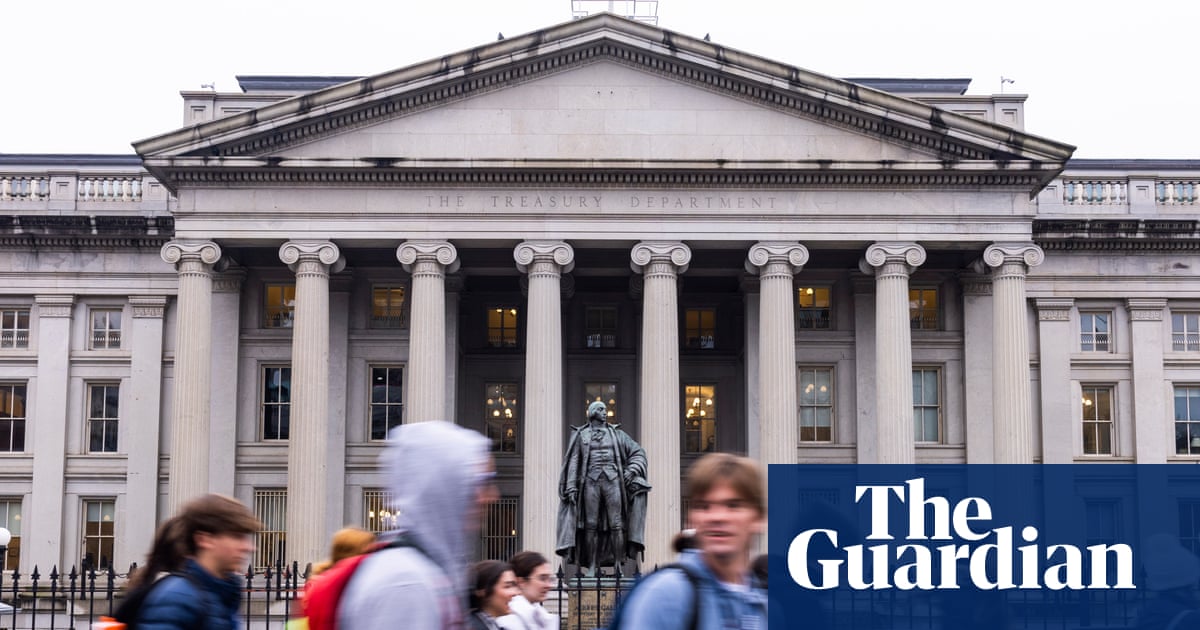
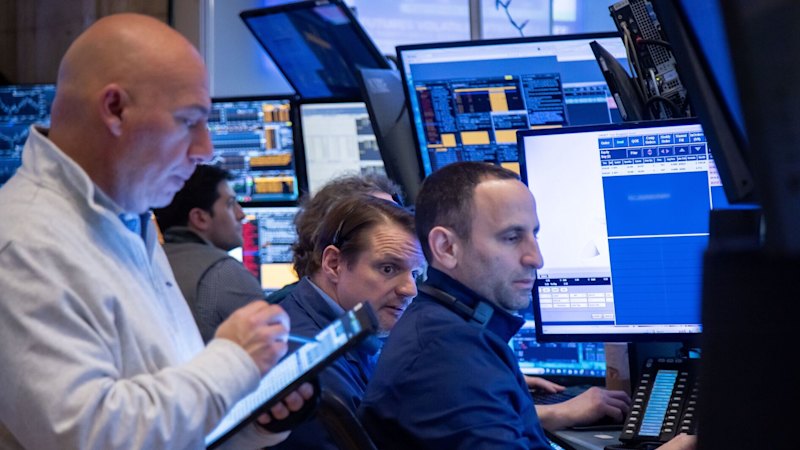
As investors dumped stocks and bonds in an increasingly febrile environment, Donald Trump’s promise to give every US adult citizen a US$5,000 “dividend” after the November midterms if Republicans win added to alarm around the parlous state of the country’s finances.
Investors pushed US bond yields towards 5% for the first time since 2007 as the prospect of higher energy costs firmed up expectations that the US Federal Reserve would need to hike rates again.
That dragged Australia’s 10-year rate up to 5.38% and to fresh 15-year highs.
asserted
That → dump → highs
The international oil benchmark, Brent crude, pushed towards US$110 a barrel, before settling at above US$108 in late Friday trade.
asserted
benchmark → push → trade
Steve Miller, an investment strategist at fund manager GSFM, said bonds were reacting to a “deadly cocktail” of high oil prices, American fiscal irresponsibility, and worries around the independence of the Fed.
asserted
bonds → say → Fed
“The $5,000 promise is a great example of Trump’s unwillingness to tackle the deficit, and even to make it worse for short-term political expediency.
asserted
it → tackle → expediency
No wonder bond markets are sketchy,” Miller said.
asserted
Miller → say → ?
Tai Hui, chief market strategist for Asia-Pacific at JP Morgan Asset Management, said rising long-term borrowing rates would normally undermine stock valuations, as investors rethink the relative trade-off between the riskier sharemarket and climbing yields on safe bonds.
asserted
investors → say → bonds
Evidence of this was clear on the ASX this week, where the benchmark S&P/ASX 200 index was on track to end the week down 3% and below the level it was this time last year.
asserted
it → end → level
But Hui said ongoing optimism about the state of the global economy and, especially, the titanic boom in artificial intelligence investment was providing a tailwind for sharemarkets around the world, and especially on Wall Street.
asserted
optimism → say → Street
But the Hong Kong-based Hui said the increasingly debated question among investors was at what point the steady march higher in yields begins to drive a broader and deeper switch out of stocks and into bonds.
asserted
march → base → bonds
“We are approaching a crossroad,” he said.
asserted
he → approach → crossroad
As economists warned of a new post-Covid era of structurally higher interest rates, financial markets upped their bets that the Reserve Bank of Australia would deliver a fourth rate hike on 29 September, pricing in an 80% chance.
asserted
Bank → warn → chance
Jonathan Kearns, the chief economist at Challenger, said the RBA would have to respond to recent evidence that inflationary pressures were not easing as hoped, even as the economy proved resilient.
asserted
economy → say → evidence
“I think they [the RBA] will go in September,” Kearns said.
asserted
Kearns → think → September
The former top RBA official said the central bank’s inflation-fighting credentials were increasingly at stake.
asserted
credentials → say → stake
“They need to get inflation to 2.5%, and that’s not forecast to happen until early 2028; that then becomes almost a seven-year inflationary episode.”
asserted
that → need → 2028
The prospect of higher mortgage costs comes as Vivek Dhar, CBA’s head of commodities research, warned that diesel prices could climb by 10-30 cents per litre over the coming weeks, from over $2.50 per litre today.
uncertain
prices → come → litre
Unleaded petrol prices could push from about $2.10 a litre in major east coast cities to about $2.30 over the next couple of weeks, according to a rough rule of thumb that says every US$1 increase in the crude oil benchmark translates to a 10c increase at the pump.
uncertain
increase → push → pump
Dhar, who is based in Singapore, said meetings with energy producers and traders on the sidelines of a major energy conference over recent days revealed a deep sense of uncertainty about how the next six to 12 months will play out.
asserted
months → base → uncertainty
Dhar said he expected Brent crude to swing between US$70 and US$100 a barrel for the foreseeable future, until eventually the world becomes comfortable with the supply workarounds to a restricted strait of Hormuz.
asserted
world → say → Hormuz
“Everyone pays attention to oil, but it’s the refined product that hits the economy and feeds through to inflation.
asserted
that → pay → inflation
And that is what everyone is worried about, because there isn’t any workaround; we just need disruptions to stop.”
asserted
we → worry → disruptions
 The Aporia