What to know about the trial of Lindsay Clancy, woman accused of killing her 3 children
Defence blames postpartum psychosis as ex-husband, medical experts testify in livestreamed court proceedings
asserted
experts → know → proceedings
This article contains details about violence against children and attempted suicide.
asserted
article → contain → children
The Lindsay Clancy murder trial is making headlines around the world as jurors hear harrowing details of the Massachusetts mother who killed her three young children.
asserted
who → make → children
Clancy's legal team does not deny that she killed her children, but it's arguing she shouldn't be held criminally responsible because she was mentally ill — in the grip of bipolar disorder and postpartum psychosis, a rare condition that the Centre for Addiction and Mental Health says occurs in approximately one to two cases per 1,000 births.
asserted
Centre → deny → births
Postpartum psychosis can cause extreme mood swings, delusions and confusion, according to the Society of Obstetricians and Gynaecologists of Canada.
uncertain
psychosis → cause → Canada
Prosecutors argue Clancy is guilty of three counts of first-degree murder, having plotted to get her husband out of the house so she could carry out the murders.
uncertain
she → argue → murders
The trial, which is being held in Plymouth, Mass., is being livestreamed on CourtTV and major Boston TV stations, as well as on YouTube.
asserted
which → hold → YouTube
On Tuesday, the trial moved into Day 11, and proceedings are expected to continue for several more weeks.
asserted
proceedings → move → weeks
Here are some details about the case and what court has heard.
asserted
court → hear → case
Clancy, a former labour and delivery nurse, was struggling with her mental health and seeing multiple specialists in 2022.
asserted
Clancy → struggle → 2022
The court has heard she was prescribed 13 different psychiatric medications across different providers.
asserted
she → hear → providers
Her attorneys say Clancy did everything she could to seek help: She turned to multiple outpatient providers, tried various drugs they prescribed, called a suicide hotline, went to an emergency room and approached but wasn’t accepted into a hospital-based, full-day treatment program for women with postpregnancy mental health problems.
uncertain
they → say → problems
Clancy also checked herself into a psychiatric hospital for several days.
asserted
Clancy → check → days
Rather than improving her condition, her attorneys and family say the shifting cocktail of psychiatric medications made things worse.
asserted
things → improve → medications
Family of mother who died by suicide calls for better supports for postpartum depression
New Westminster, B.C., mother who killed 18-month-old sentenced to 4.5 years in prison
Cellphone records show that on Jan. 24, 2023, she texted her husband Patrick late in the afternoon, asking him to pick up takeout and medicine.
During his absence from their Duxbury, Mass., home, prosecutors say Clancy used exercise bands to strangle their three children: five-year-old Cora, three-year-old Dawson and eight-month-old Callan.
asserted
Clancy → die → children
She then cut her own wrists and throat and jumped out of a second-storey window in an apparent suicide attempt.
asserted
She → cut → attempt
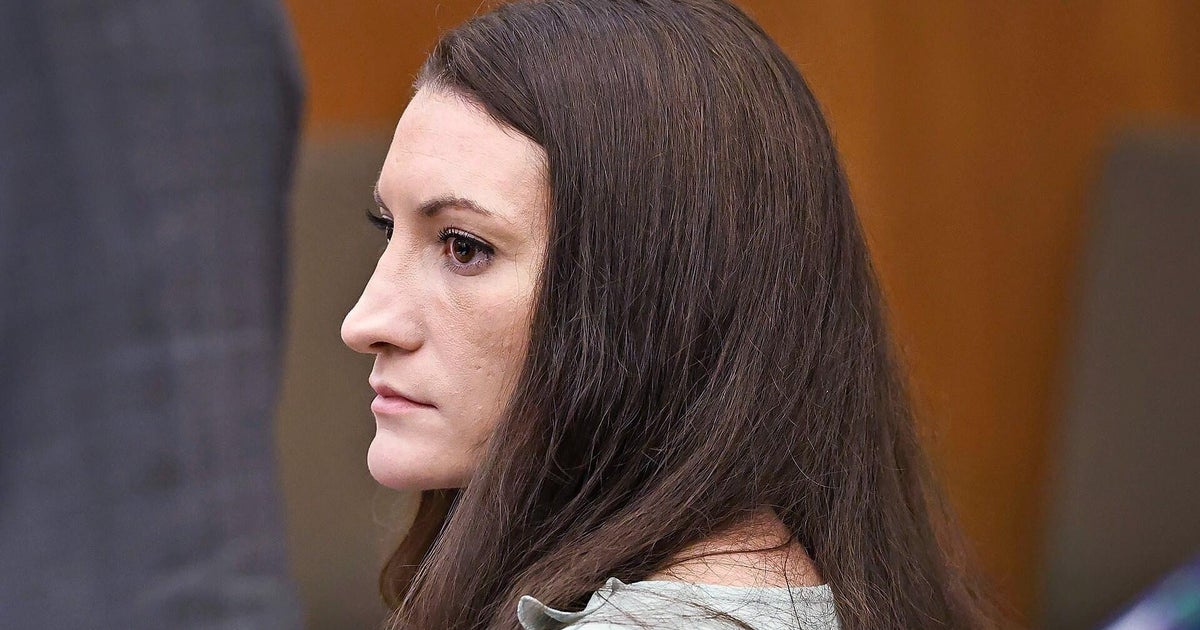
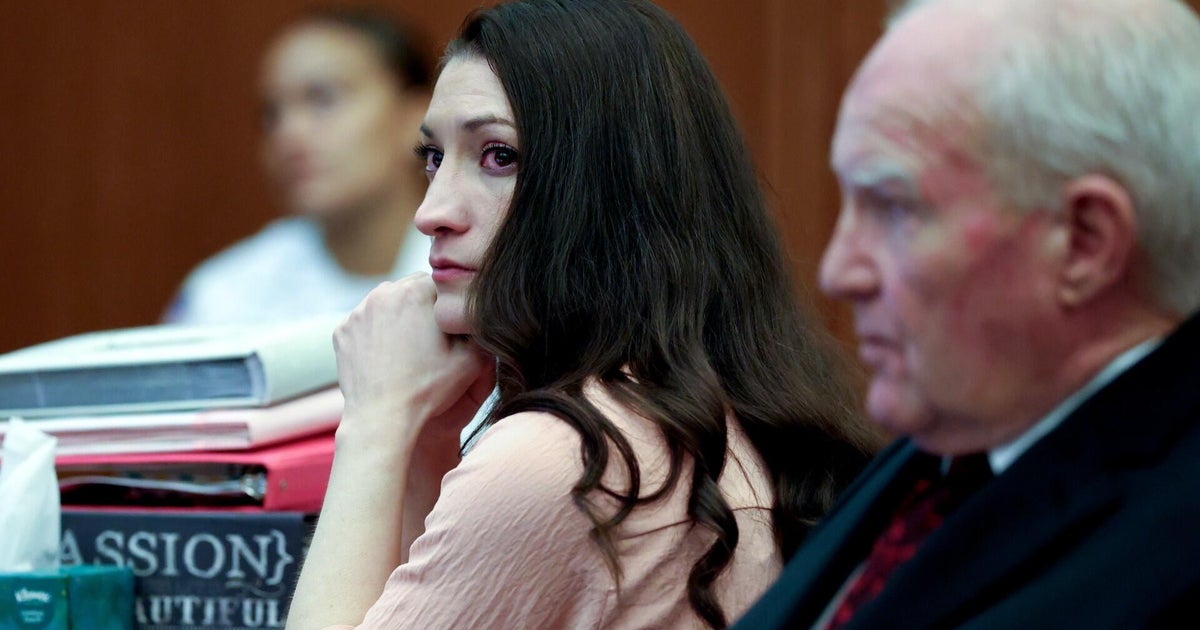
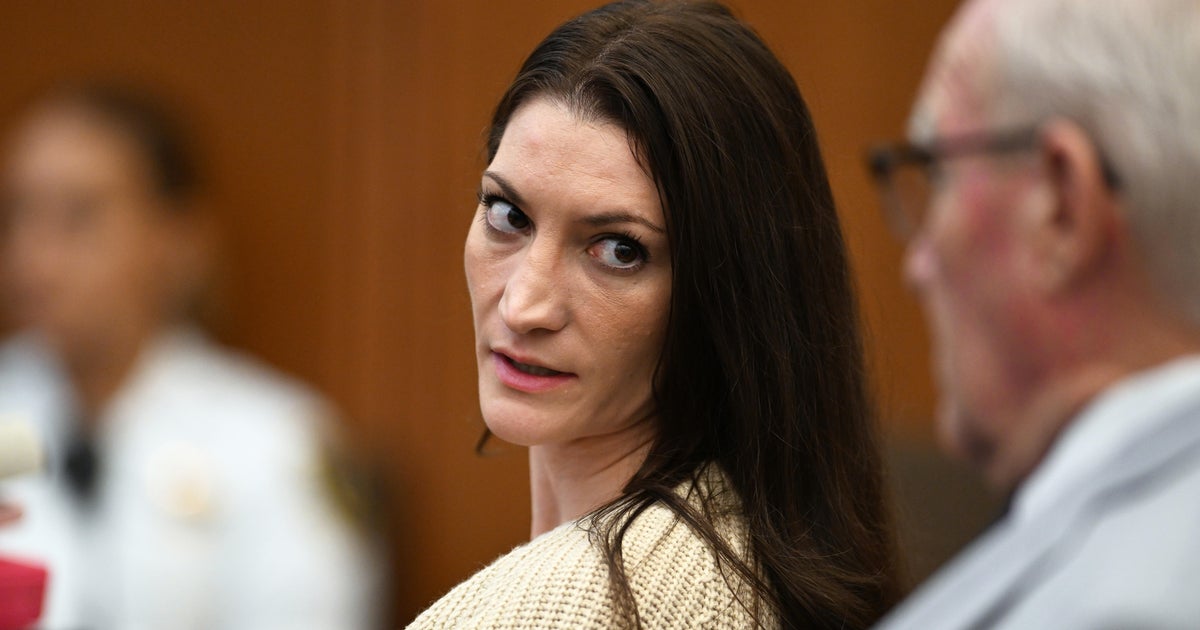
Clancy, who turned 36 on Tuesday, was paralyzed from the waist down and has been attending the court proceedings in a wheelchair.
asserted
who → turn → wheelchair
Court hears diary entries
Opening statements began on July 27, after an 18-member jury was selected.
Patrick Clancy, Lindsay's now former husband, took the stand early, detailing her mental health struggles and his experience on the day of the killings.
asserted
Clancy → hear → killings
Jurors were shaken when his 911 call was played in court.
asserted
call → shake → court
The court later heard from Duxbury first responders, crime scene analysts and the family's nanny, who said Lindsay was a "wonderful mom who loved her kids."
Clancy's diary entries were also read in court, including a section where she wrote that she was “completely overwhelmed” trying to take care of her children.
“I feel like I’m drowning every day,” she wrote.
asserted
she → hear → children
She sobbed in court when details of the autopsy reports were read.
asserted
details → sob → reports
On Monday her lawyer probed Dr. Jennifer Tufts, who saw Clancy via video meetings from September 2022 until the day before the killings.
asserted
who → probe → killings
Defence lawyer Kevin Reddington questioned Tufts' expertise, prescribing decisions and overall treatment, spotlighting her use of 25-minute video appointments and the series of recommended pharmaceuticals.
asserted
Reddington → question → pharmaceuticals
"I do not believe that I've been negligent," Tufts testified.
asserted
Tufts → believe → ?
Clancy is suing Tufts and other practitioners in civil court.
asserted
Clancy → sue → court
On Tuesday, Rebecca Jollotta, a psychiatric nurse practitioner who treated Clancy, testified about a concerning mid-December call with the couple during which she heard Clancy had her "worst day" and was "having persistent, intrusive thoughts of suicide."
asserted
Clancy → treat → suicide
2nd-degree murder trial of Alberta day home operator adjourned until November
Jury shown near 5-hour video recreating route of Montreal man accused of killing daughter
Prosecutor Shanan Buckingham has urged jurors not to view the trial as "a public debate about women's mental health and how the medical system treats women," but rather to focus on the specific actions Clancy took and the intent behind them.
If convicted of murder, Clancy faces life in prison without parole.
If found not guilty due to a lack of criminal responsibility, she would be committed to a state mental health facility.
asserted
she → adjourn → facility
Legal expert Margaret McLean told Parade that Clancy's case would then shift to a "civil commitment process" overseen by the court and mental health experts.
asserted
case → tell → court
Clancy could eventually be released under strict conditions, or, if her illness is deemed "chronic and dangerous," she could remain institutionalized for the rest of her life.
uncertain
she → release → life
If you or someone you know is struggling, here’s where to look for help:
- Canada’s Suicide Crisis Helpline: Call or text 988.
asserted
you → know → 988
- This guide from the Centre for Addiction and Mental Health outlines how to talk about suicide with someone you're worried about.
asserted
you → outline → someone
Corrections
- A previous version of this story identified Rebecca Jollotta as a psychiatrist.
asserted
version → identify → psychiatrist
 The Aporia