Deutsche Welle
· collected 2026-09-11 · by Evgeniy Dyuk, Viktorija Terentjeva
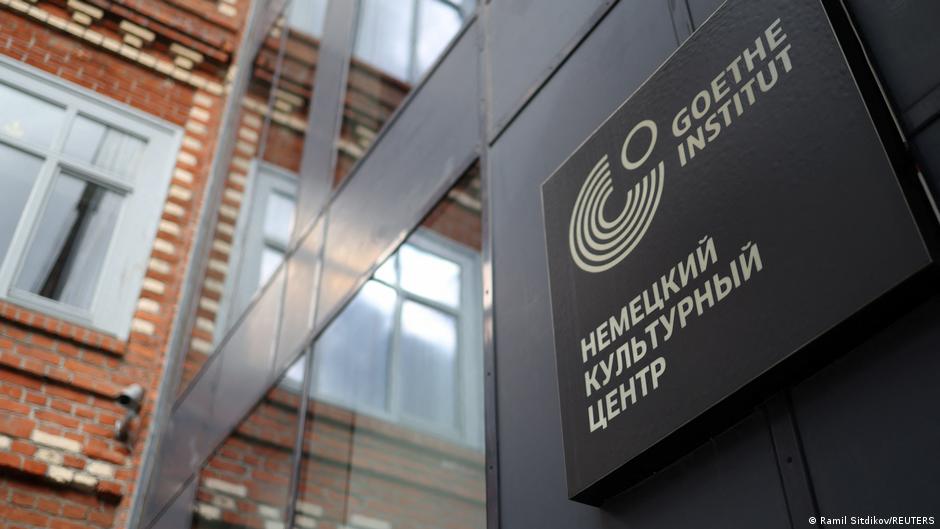
Germany's Goethe-Institut will close all Russian branches by September 13 amid one of the worst spats in the history of relations between Russia and Germany.
asserted
Institut → close → Russia
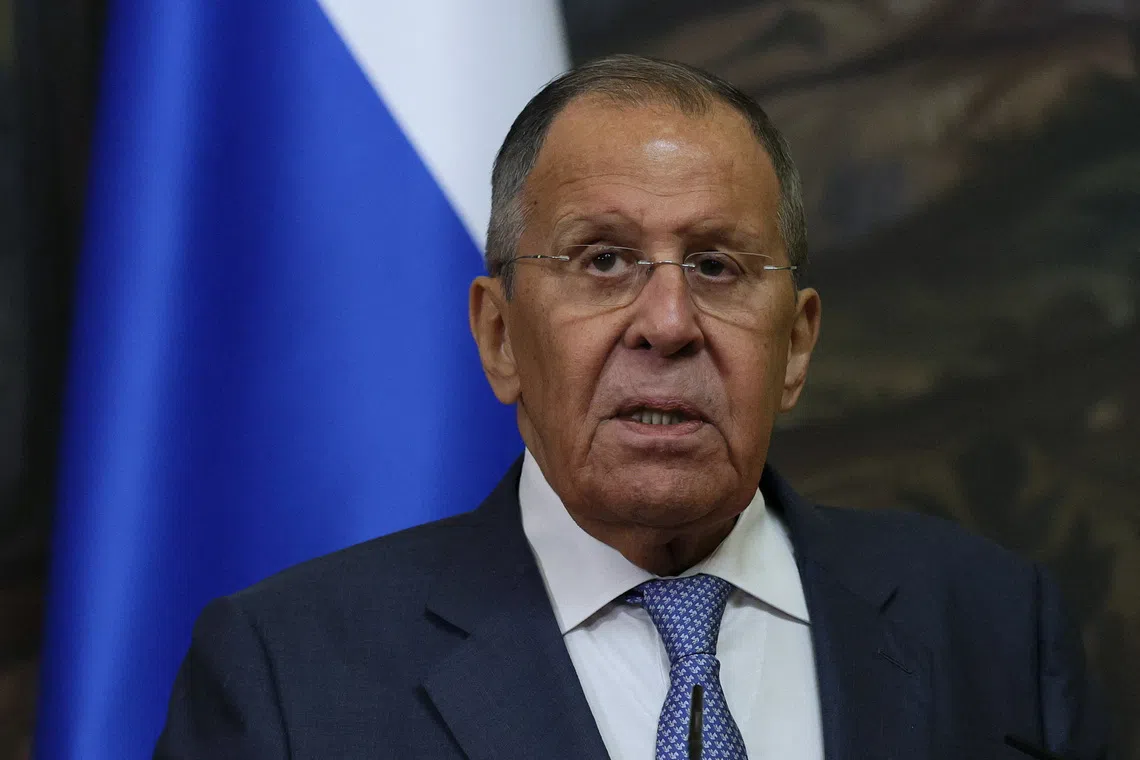
The Russian foreign ministry ordered the closure of the German cultural centers in Moscow, St. Petersburg and Novosibirsk in response to Berlin's reaction to the attempteddrone attackat Leipzig airport in early August.
asserted
ministry → order → August
The German authorities blamed Moscow for organizing the attack and announced sanctions.
asserted
authorities → blame → sanctions
They include closing the Russian culture and education center in Berlin, known as the Russian House, and the Russian Consulate General in Bonn, as well tightening visa restrictions for Russian citizens.
asserted
They → include → citizens
"All employees must cease their work in Russia as of September 13, 2026," Secretary General of the Goethe-Institut Gitte Zschoch said in a statement.
asserted
Zschoch → cease → statement
"No more books can be borrowed from our libraries, and no further training can be offered.
asserted
training → borrow → libraries
German language teachers are losing an important source of professional training and support.
asserted
teachers → lose → training
For people in Russia, this further restricts access to the German language, culture and reliable information from and about Germany."
asserted
this → restrict → Germany
DW asked its users in Russia to share how the closure of the Goethe-Institut will affect them personally.
asserted
closure → ask → them
The responses received do not constitute a representative survey.
asserted
responses → receive → survey
All users shared their stories on conditions of anonymity.
asserted
users → share → anonymity
Russian authorities labeled DW an "undesirable organization" making every cooperation with the media company a criminal offense.
asserted
cooperation → label → company
'We'll have to travel to another country' for German exams
Many DW readers fear that, after the closure of the Goethe-Institut branches, they or their relatives will no longer be able to take exams in Russia for internationally recognized German language certificates.
asserted
they → have → certificates
Some readers pointed out that closing the Goethe-Institut in Russia will hit ethnic Germans willing to relocate back to Germany, or late repatriates, especially hard.
asserted
closing → point → Germany
"I no longer live in Russia, having emigrated as a late repatriate, but my parents are still in Russia and were planning to take exams at the Goethe-Institut this fall or winter before submitting their resettlement documents.
asserted
parents → live → documents
It looks like they'll have to take the exams in another country, which means additional stress and expenses for them," one reader said.
asserted
reader → look → them
DW also received responses from parents whose children are learning German and plan to continue their education in Germany.
asserted
children → receive → Germany
"My son attends a German school, and now we won't be able to take the exam in Russia.
asserted
we → attend → Russia
We'll have to travel to another country," one message said.
asserted
message → have → country
It remains unclear whether exams, language courses and educational programs will continue in Russia in another format or through partner organizations.
uncertain
exams → remain → organizations
Several readers expressed hope that at least some services will remain available online.
asserted
services → express → hope
Goethe-Institute closures hit teachers hard
asserted
closures → hit → teachers
The closure of the institute will affect not only those planning to move to Germany or enroll at a German university.
asserted
closure → affect → university
A German language teacher from the Moscow region told DW that her school had cooperated with the Goethe-Institut for more than 15 years.
asserted
school → tell → years
The institute supported us with high-quality teaching materials and provided modern books and publications about life in Germany, helping us make lessons engaging and relevant.
asserted
lessons → support → Germany
Our students attended additional courses, and many successfully passed the Goethe certificate exams," she wrote.
asserted
she → attend → exams
"I teach German and can't find a job in Russia," another teacher told DW.
asserted
teacher → teach → DW
I'm a German teacher, and I feel professionally stranded and lost," a third wrote.
asserted
third → feel → ?
Despite the restrictions imposed since the beginning of Russia's war in Ukraine in 2022, demand for the institute's services remained high.
asserted
demand → impose → services
According to the Goethe-Institut, around 10,000 people studied German through its programs and partnerships in 2025.
uncertain
people → accord → 2025
Before 2023, that number used to stand at around 16,000 people.
asserted
number → use → people
The institute administered roughly 22,000 exams, and its libraries were visited by 6,700 people in 2025.
asserted
libraries → administer → 2025
'Culture has become a hostage to political decisions'
asserted
Culture → become → decisions
Many readers perceive what is happening as another stage in the destruction of ties between Russia and Germany.
asserted
what → perceive → Russia
"We would like cultural relations between the Russian Federation and Germany not to be destroyed," one DW user responded.
asserted
user → like → Federation
"It is sad to realize that culture has become a hostage to political decisions.
asserted
culture → realize → decisions
The closure of the Goethe-Institut will affect people who have no way of influencing politicians."
asserted
who → affect → politicians
Some DW readers from Russia specifically draw attention to the responsibility of politicians.
asserted
readers → draw → politicians
One reader called the decision to close the institutes another step toward isolating the country and wondered why its consequences affect ordinary citizens rather than the Russian politicians who make such decisions.
asserted
who → call → decisions
"Why can the people making decisions to isolate Russia from Europe simultaneously provide their own children and close relatives with a European education and a European way of life?" a DW user asked, proposing a ban on the education of the children and close relatives of members of Russia's top leadership at universities in Germany and other EU countries.
asserted
user → make → Germany
…and 12 more, not listed.