For more than three decades, a stretch of road in central New Delhi was where Indians came to be heard, staging rallies to press their demands and hold those in power accountable.
asserted
those → come → power
Trade unions, retired soldiers, anti-corruption campaigners, women’s rights groups and student activists all protested beside the capital’s iconic 18th-century Jantar Mantar observatory, drawn by its location near the city’s commercial heart and the seat of political power.
asserted
unions → retire → power
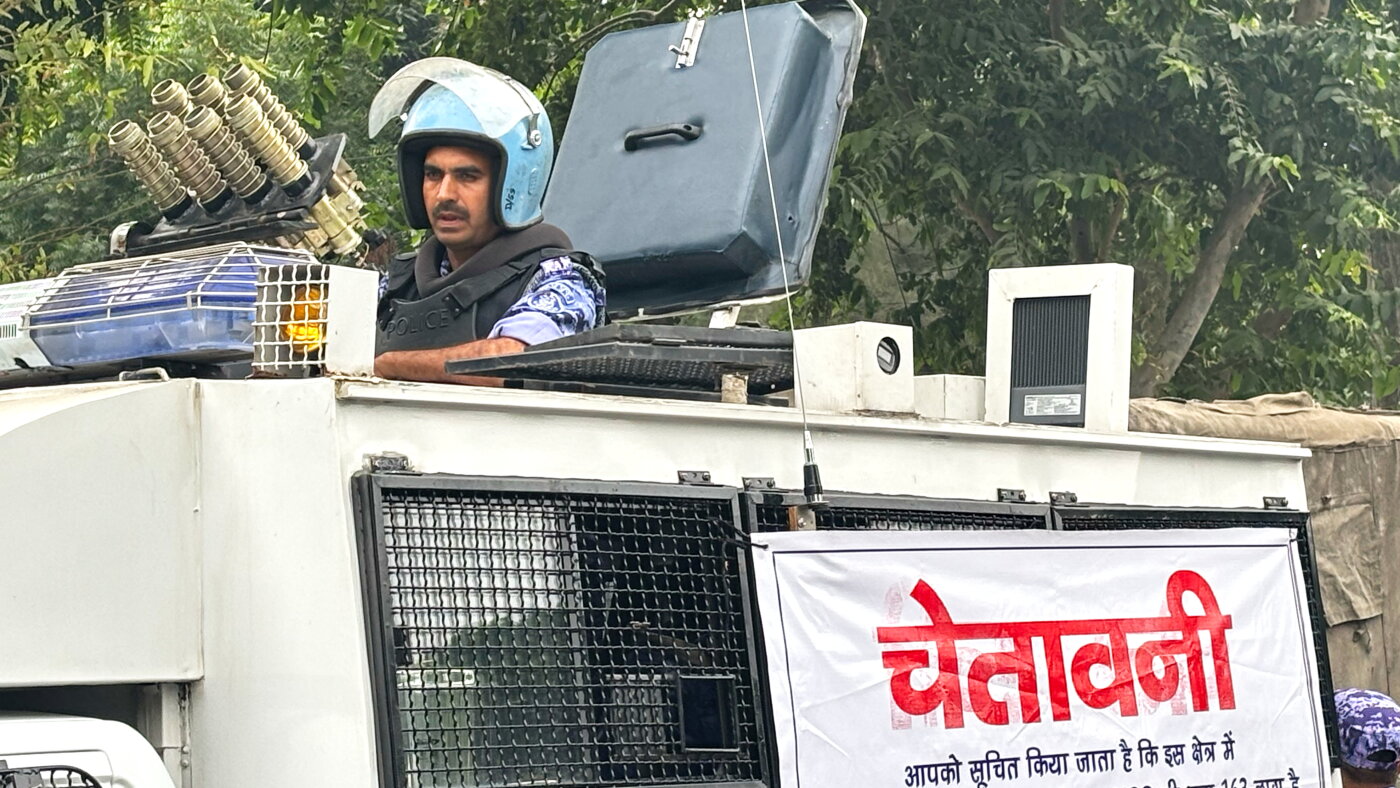
But this week, the country’s most recognisable stage for public dissent officially lost its status as an authorised protest venue, prompting concerns among activists over shrinking democratic space.
“Jantar Mantar as a protest venue has been de-notified,” Delhi Police said in an order issued Monday.
asserted
Police → lose → order
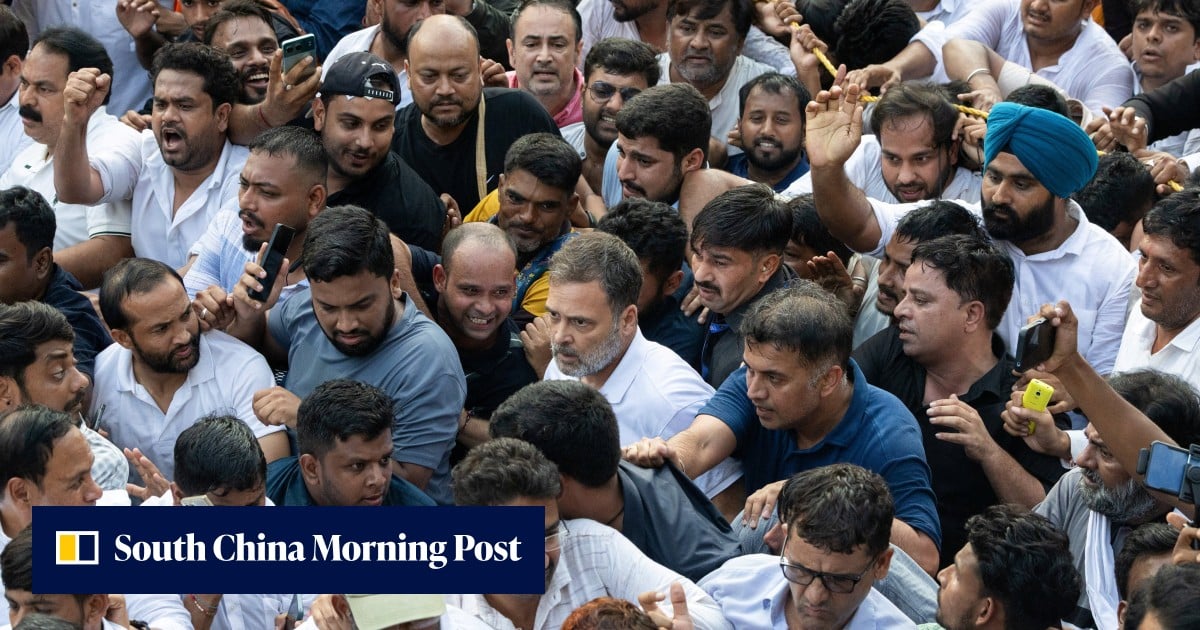
The move comes days after a confrontation between authorities and anti-government protesters led by the Cockroach Janta Party (CJP) online movement.
asserted
move → come → movement
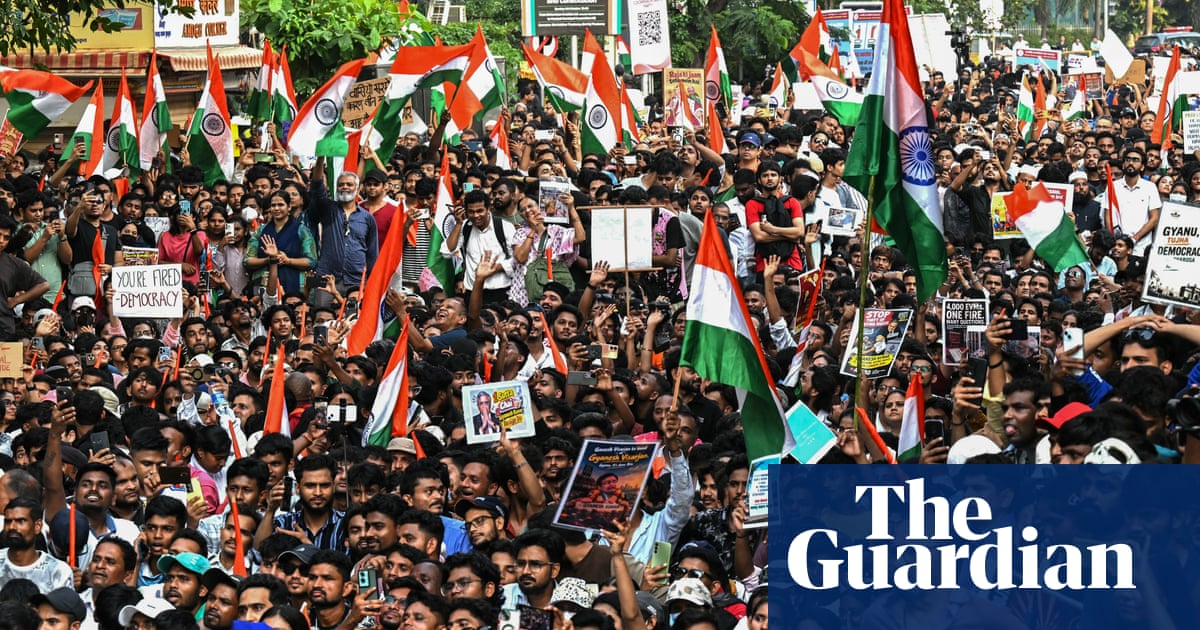
The youth-led group has mobilised thousands to take to the streets over a revision to electoral rolls that critics say could disenfranchise eligible voters, months after separate protests over exam irregularities forced the education minister to resign.
uncertain
protests → lead → minister
While authorities have designated three alternative demonstration venues in Delhi, campaigners say visibility and proximity to lawmakers are central to the right to protest in the world’s largest democracy.
asserted
visibility → designate → democracy
“Jantar Mantar is in the centre of the town, it is connected, it is next to parliament…
asserted
it → connect → parliament
it was a very important space for all protests,” human rights activist Shabnam Hashmi told AFP.
asserted
Hashmi → tell → AFP
“This is nothing but a move to curb dissent.”
asserted
This → curb → dissent
‘Spirit of resistance’
Jantar Mantar, meaning an instrument to calculate in Sanskrit, is designed for the observation of astronomical positions with the naked eye.
asserted
Mantar → mean → eye
The roughly 1.6-kilometre (one-mile) street next to Jantar Mantar became synonymous with protest after being designated a demonstration site in 1993.
asserted
street → become → 1993
In July, thousands of students led by the “cockroach” movement gathered there before attempting to march towards parliament over irregularities in competitive examinations.
asserted
thousands → lead → examinations
For nearly a month, Jantar Mantar transformed into a vibrant hub of Gen-Z dissent, its walls transformed into canvases for angry slogans, defiant messages and graffiti challenging the government.
asserted
walls → transform → government
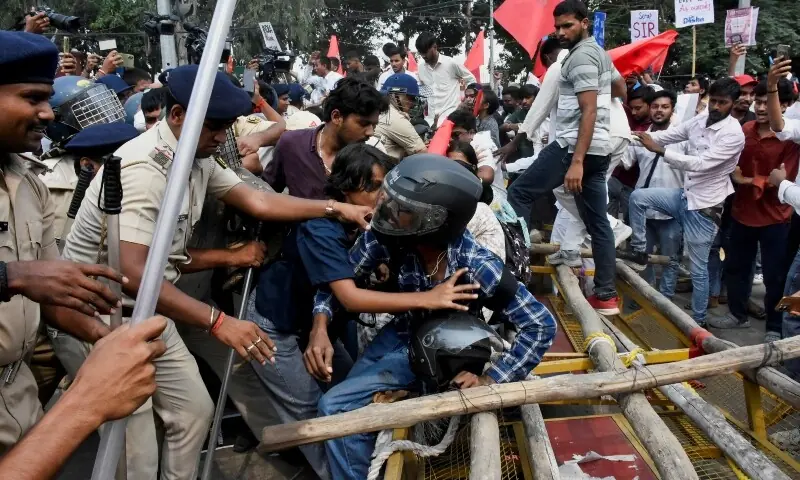
Tensions resurfaced this month when police denied permission for a CJP protest at the site demanding the resignation of the chief election commissioner over the contentious voter roll revision.
asserted
police → resurface → revision
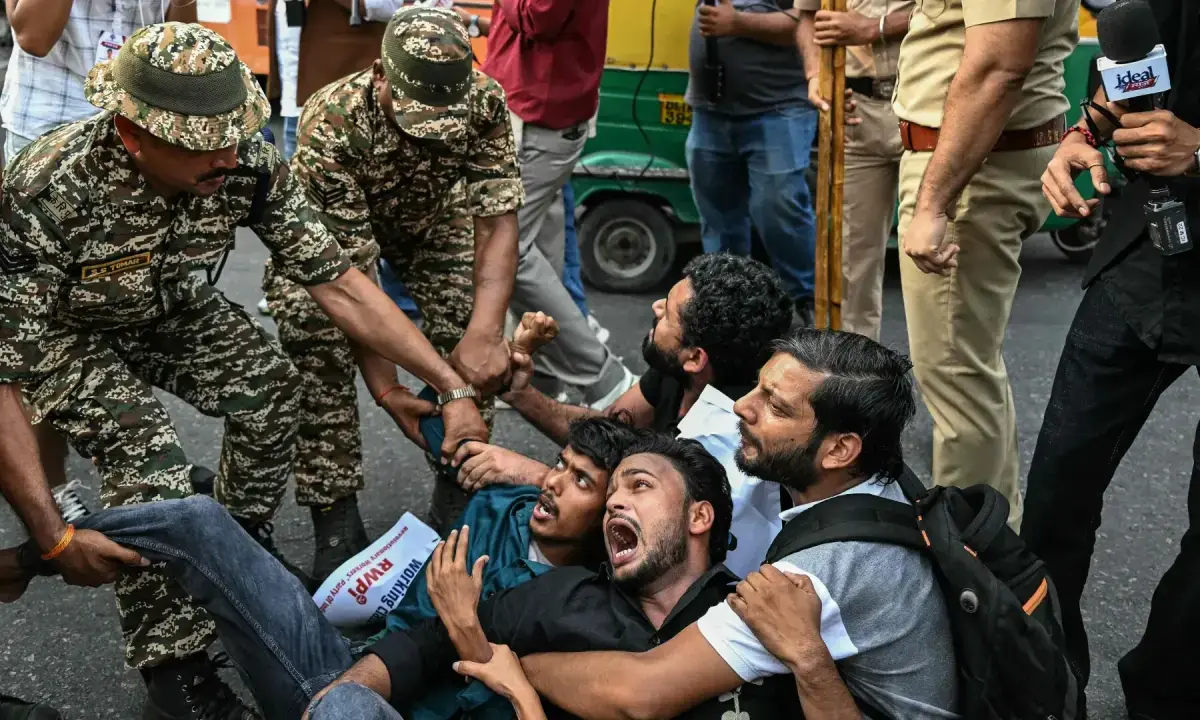
On Wednesday, two of CJP’s top leaders, who clambered over the barricades to “reclaim Jantar Mantar” a day before, were sent to jail for five days for alleged trespassing.
asserted
who → clamber → trespassing
“Jantar Mantar is not just a location but a spirit of resistance that nobody can ever take away,” the group’s founder, Abhijeet Dipke, said.
asserted
founder → take → that
Delhi Police on Tuesday defended their move, citing a directive from the Supreme Court that “suitable alternative sites” for protest “need to be identified and designated”.
asserted
sites → defend → protest
The developments have reignited debate over where citizens can now take their grievances.
asserted
citizens → reignite → grievances
Activist Hashmi said protests at Jantar Mantar had already become increasingly restricted in recent years through limits on space and timings.
asserted
protests → say → space
But its location, she said, made it uniquely effective because demonstrators could easily reach parliament, government ministries and media houses.
uncertain
demonstrators → say → parliament
“In a democracy, you require spaces where you can protest,” she said.
asserted
she → require → spaces
Neighbours complain
asserted
Neighbours → complain → ?
Authorities have said demonstrations can be held at two venues on the capital’s outskirts, while a third site closer to the centre, Ramlila Maidan, remains available for larger gatherings.
asserted
site → say → gatherings
But activists argue that moving protests away from the city centre risks reducing turnout and visibility, particularly for campaigners travelling from distant states.
asserted
moving → argue → states
Greater transport costs, longer journeys and reduced media attention could all diminish the impact of demonstrations, they say.
uncertain
they → reduce → demonstrations
Some of those living in the Jantar Mantar neighbourhood, however, welcomed the police order.
asserted
Some → live → order
“Roads leading to our homes are barricaded, there is noise and garbage, and our daily lives are disrupted,” Varun Seth, a resident, told the Hindustan Times newspaper.
asserted
Seth → lead → newspaper
Former Delhi Police commissioner Kiran Bedi also defended the move, saying Jantar Mantar’s “sensitive” location made it poorly suited to hosting protests.
“Every city does require an open space for democratic expression… but forgets to provide for (it),” she said on social media.
asserted
she → defend → media
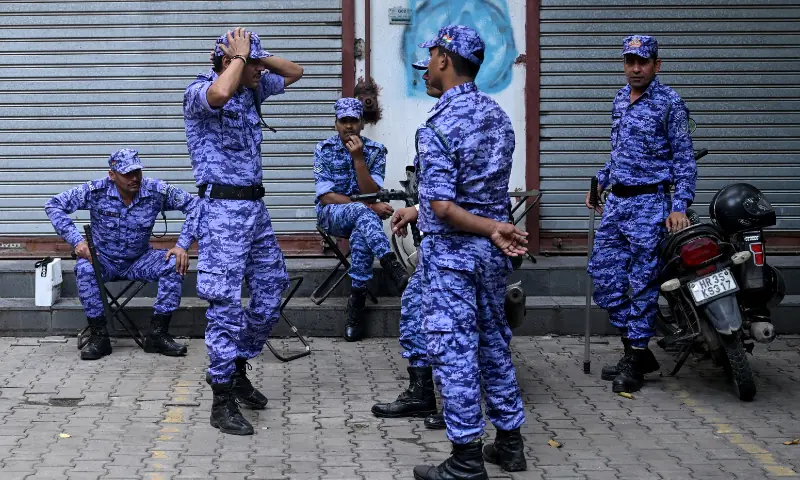
A protester told AFP on Tuesday that demonstrators would continue to gather at Jantar Mantar despite the police order.
asserted
demonstrators → tell → order
“With great resolve, we will carry out civil disobedience,” she said.
asserted
she → carry → disobedience
“We will sit here and protest,” she added, before being whisked away by police as she attempted to march towards the site.
asserted
she → sit → site
 The Aporia