The gulf between city and country healthcare has widened sharply in just two years, with millions of rural Australians facing worsening funding shortfalls, chronic doctor shortages and poorer health outcomes.
asserted
millions → widen → shortfalls
A major report into the nation’s rural health system has exposed the scale of the disparity, finding that metropolitan areas now have more than 20 times as many specialist doctors per head as small rural towns, while country communities are increasingly relying on nurses to deliver essential care.
asserted
communities → expose → care
The findings will intensify pressure on federal and state governments – the majority of them Labor – to overhaul rural health funding, with the National Rural Health Alliance warning that Medicare’s traditional reliance on payments for individual consultations cannot sustain services in communities with small populations, higher operating costs and further workforce shortages.
asserted
reliance → intensify → populations
The alliance’s Forgotten Health Spend report found the shortfall in health expenditure between metropolitan and rural Australia has blown out almost $2.7 billion – from $6.55 billion in 2023 to $9.23 billion in its latest assessment.
asserted
shortfall → find → assessment
Rural Australians receive an average of $1218 less per person in annual healthcare expenditure than city residents, a gap that has widened by $138 in real terms in just one year.
asserted
that → receive → year
The disparity is greatest in small rural towns with populations under 5000, where the shortfall exceeds $6600 per person and residents face some of the country’s most severe shortages of GPs, specialists and allied health professionals.
asserted
residents → exceed → GPs
“We are a rich, western country and results like this are appalling,” alliance chief executive Susi Tegen said.
asserted
Tegen → say → this
“Rural people are being let down by a universal health system that should support them when they need it most.”
asserted
they → let → it
Several industry figures told this masthead that such was the alarm at the rapid decline in the figures, that several government departments delayed the approval of the data’s publication by months.
asserted
departments → tell → months
The report, produced with consulting firm Nous Group, raises questions about whether Australia’s health funding arrangements are keeping pace with the needs of the more than 7.4 million people living in regional, rural and remote communities.
asserted
arrangements → produce → communities
The medical workforce imbalance was particularly stark, with metropolitan areas having 194 specialist doctors for every 100,000 residents, compared with just nine in small rural towns.
asserted
areas → have → towns
It found nurses are increasingly filling the gap in small rural towns which have on average about nine nurses for every doctor, compared with just over three in metropolitan areas.
asserted
which → find → areas
In some communities, nurses are the only resident health professionals, providing emergency treatment, chronic disease management and mental health support.
asserted
nurses → provide → treatment
The shortage extends to physiotherapists, psychologists, pharmacists and other allied health workers, while more than 40 per cent of GPs are aged 55 or older, raising concerns about further losses to retirement.
asserted
cent → extend → retirement
Tegen said the conventional Medicare model, which largely funds services according to the number of patients treated, was failing communities where small populations and higher operating costs made medical practices difficult to sustain.
uncertain
practices → say → communities
She said it was difficult to see any other reason for the gap other than there were no votes in it for governments.
asserted
it → say → governments
Australians living outside major cities have shorter life expectancies and higher rates of chronic disease, while the rate of potentially avoidable deaths in very remote communities is almost three times that of metropolitan Australia.
asserted
rate → live → Australia
Deaths from diabetes in very remote areas are nearly four times as common as in major cities, while deaths from coronary heart disease occur at more than twice the metropolitan rate.
asserted
deaths → occur → rate
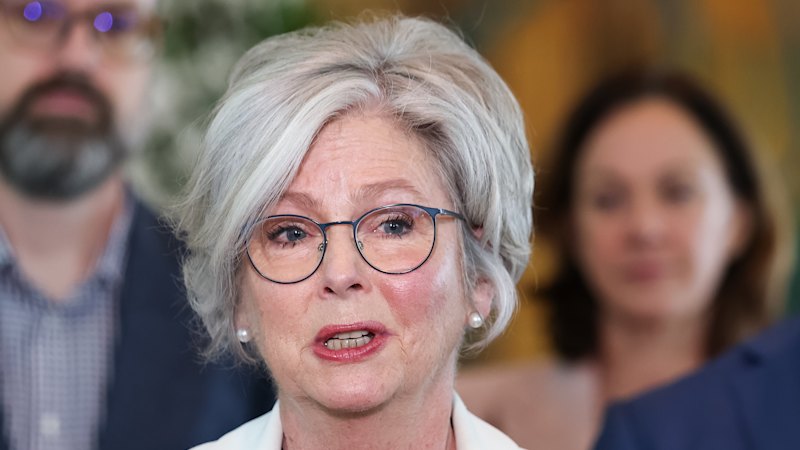
Independent MP Helen Haines, a former nurse, midwife and public health researcher, said the findings reflected the daily experience of families across her north-eastern Victorian electorate of Indi.
asserted
findings → say → Indi
Haines said the federal government’s expansion of Medicare Urgent Care Clinics had done little to resolve the disparity in her electorate.
asserted
expansion → say → electorate
While the government says four in five Australians live within 20 minutes of an urgent care clinic, Haines said fewer than one in three residents in her electorate of Indi had the same access.
asserted
residents → say → access
“There’s no single fix,” she said.
asserted
she → ’ → ?
“We need a coordinated approach that improves access and affordability, but injecting more health spending is where it starts.”
asserted
it → need → spending
Health Minister Mark Butler was contacted for comment.
asserted
Butler → contact → comment
Subscribers can sign up to our weekly Inside Politics newsletter.
asserted
Subscribers → sign → newsletter
 The Aporia