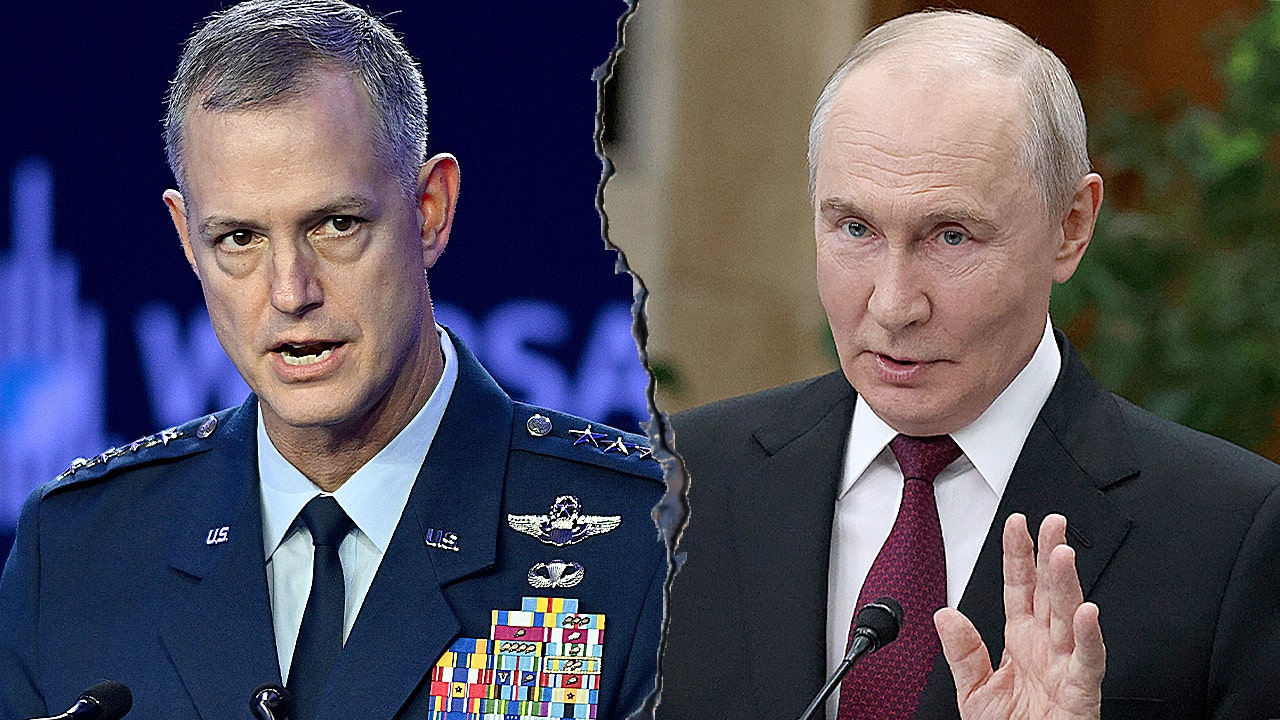
Will NATO’s ‘theory of victory’ work?

Read the original at Al Jazeera ↗
Cite

Will NATO’s ‘theory of victory’ work? (2026, October 13). Al Jazeera. https://www.aljazeera.com/video/inside-story/2026/10/13/will-natos-theory-of-victory-work?traffic_source=rss

Dated from the outlet's own feed. Check the original for its byline.

Al Jazeera · collected 2026-10-13

Quick Summary

NATO's top military commander has outlined a new defense strategy that emphasizes the use of low-cost drones, artificial intelligence, and rapid response capabilities to deter potential attacks on member states. This strategic shift comes amid concerns over the United States reducing its troop presence in Europe and a perceived increase in threats from Russia. The article explores whether these measures will effectively counteract emerging security challenges.
Written locally by qwen2.5:14b on 2026-10-13, using this article's own text rather than the other coverage of the same event (that is the story summary below).

AI analysis runs on qwen2.5:14b, locally

Story summary

In October 2026, NATO unveiled a new strategy to defend its territory against potential adversaries, focusing on low-cost drones, artificial intelligence, and rapid strike capabilities. This shift comes after the United States announced plans to withdraw thousands of troops from Europe, prompting alliance members to increase their military budgets due to concerns about a growing threat from Russia. NATO's top military commander emphasized that while the alliance does not seek war, it is prepared to defend its member states aggressively if necessary. Experts including Ray Wojcik from The Saratoga Foundation, Marina Miron from King’s College London, and Alexander Bratersky, a Russian foreign policy analyst, discussed whether this new strategy can effectively address the threat posed by Russia.

Written for “NATO Strategy Efficacy” on 2026-10-14, grounded in this article and the 0 other(s) covering the same event.

Story

📰 NATO Strategy Efficacy
Politics · 1 article(s) covering the same event.

Compared with similar articles

This article reads unscored and hedges 0% of its claims. Each row says how that neighbour differs.
New York Post
⚖️ Leans strongly right 🔴 5% hedged 2 of 38 📰 publisher trust 67
“The articles discuss NATO's strategic shift and allied defense, but they are addressing different aspects and contexts without describing the same specific incident.”
Toronto Star
⚖️ Leans right 🔴 24% hedged 8 of 34 📰 publisher trust 63
“Article A describes a statement made by NATO's top commander on October 12, emphasizing readiness to fight if attacked. Article B discusses a broader strategic shift and presentation of a 'theory of victory' by NATO on October 13.”
Fox News
⚖️ leaning not scored 🔴 11% hedged 4 of 36 📰 publisher trust 68
“While both articles discuss NATO's stance and warnings towards Russia, they cover different aspects of the message and do not specify the exact same incident or quote identical statements.”
How this article was measured signals, leaning charts, publisher record, byline, topics and claims

Signals How these are calculated →

Claims extracted
9
sentences that state something as happening or true
Uncertain
0%
0 of 9 hedged ("reportedly", "may", "according to")
Leaning
not political
takes no side on a contested political question
Publisher signals
60/100
Al Jazeera's corrections and hedging, across everything collected from it. Not a measure of accuracy.
Outlets on this story
1
Politics
Same framing elsewhere
1
articles that frame the event the way this one does
Analyzed 2026-10-13 · how these are computed

How this is being covered How these are calculated →

Article leaning vs. publisher reliability
Source leaning vs. consistency

Publisher

Al Jazeera · 3027 article(s) · 2 correction(s) detected
Running correction rate · 2 correction(s)

Who wrote this

No reporter is named on this article.

Topics

King’s College London NATO Russia The Saratoga Foundation the United States

Subjects

NATO ORG · 2× Alexander Bratersky PERSON · 1× King’s College London ORG · 1× Marina Miron PERSON · 1× Ray Wojcik PERSON · 1× Rishaad Salamat PERSON · 1× Russia GPE · 1× Russian NORP · 1× The Saratoga Foundation ORG · 1× the United States GPE · 1×

Narrative

Presenter: Rishaad Salamat Guests: Ray Wojcik – Senior research fellow at The Saratoga Foundation Marina Miron – Researcher in Defence Studies at King’s College London Alexander Bratersky – Political analyst who specialises in Russian foreign policy
framing: assertive · carried by 1 article(s) · first seen 2026-10-13
🔮 NATO has been undergoing a strategic shift, after the United States announced it would withdraw thousands of troops from Europe.
2026-10-13 · Al Jazeera
Will NATO’s ‘theory of victory’ work? · assertive framing

Claims (9 extracted, 0 hedged)

The alliance presents a common vision to deter adversaries. asserted
alliance → present → adversaries
NATO says it does not want war, but it is ready to fight. asserted
it → say → war
The message was delivered by its top military commander, as he outlined a new plan to defend its territory. asserted
he → deliver → territory
It involves low-cost drones, artificial intelligence, and rapid strikes to deter any potential attack on member states. asserted
It → involve → states
NATO has been undergoing a strategic shift, after the United States announced it would withdraw thousands of troops from Europe. asserted
it → undergo → Europe
But that’s just one factor pushing leaders to increase military budgets. asserted
that → ’ → budgets
They’re also worried about what they say is a growing threat from Russia. asserted
they → ’re → Russia
Will the new strategy address that threat? asserted
strategy → address → threat
Presenter: Rishaad Salamat Guests: Ray Wojcik – Senior research fellow at The Saratoga Foundation Marina Miron – Researcher in Defence Studies at King’s College London Alexander Bratersky – Political analyst who specialises in Russian foreign policy asserted
who → specialise → policy
💬Give feedback
🕘History 🎫Support