My generation was the first to come of age with social media.
asserted
generation → come → media
My early memories of social media consist, embarrassingly enough, of Instagram tags with the popular kids and six-figure Snap Scores.
asserted
memories → consist → kids
(A “Snap Score” is a particularly asinine statistic: it measures the number of selfies sent and received on Snapchat.
asserted
it → measure → Snapchat
In the decade since, that skepticism has grown into organized and bipartisan opposition.
asserted
skepticism → grow → opposition
Haidt’s 2024 book The Anxious Generation has mobilized parents and leaders across the globe against big tech.
asserted
book → mobilize → tech
In it, Haidt blames social media for the recent decline in teen mental health.
asserted
Haidt → blame → health
That opposition seemed to become something like common sense this August when Meta reached an $18 billion settlement in a lawsuit alleging teen social media addiction.
asserted
Meta → seem → addiction
One critical feature of the Meta settlement is enhanced age verification for account holders, with California’s attorney general promising “robust age assurance measures” to follow in the wake of the settlement.
asserted
general → enhance → settlement
This follows a prevailing trend.
asserted
This → follow → trend
Age verification has emerged globally as the primary way to keep kids off social media, and many governments have passed or proposed laws requiring age verification.
asserted
governments → emerge → verification
In April, for instance, European Commission President Ursula von der Leyen announced a new age-verification app that would facilitate efforts by EU member states to block minors from social media.
asserted
that → announce → media
In the United States, 21 states now have some type of age restriction.
asserted
states → have → restriction
And earlier this summer the United Kingdom announced a ban on under-16s from social media, enforced with accompanying age-verification technology.
asserted
Kingdom → announce → technology
Age-verification seems like a simple fix.
asserted
verification → seem → fix
And it is often driven by a genuine concern for kids’ safety and well-being.
asserted
it → drive → safety
But it comes at a cost: age-verification threatens our anonymous speech online.
asserted
verification → come → speech
As trendy as age-verification might be, it is worth taking a moment, in the year of America’s 250th anniversary, to remind ourselves of the deep history of anonymous speech in the United States—a speech right that can easily be underestimated or denigrated.
uncertain
that → take → States
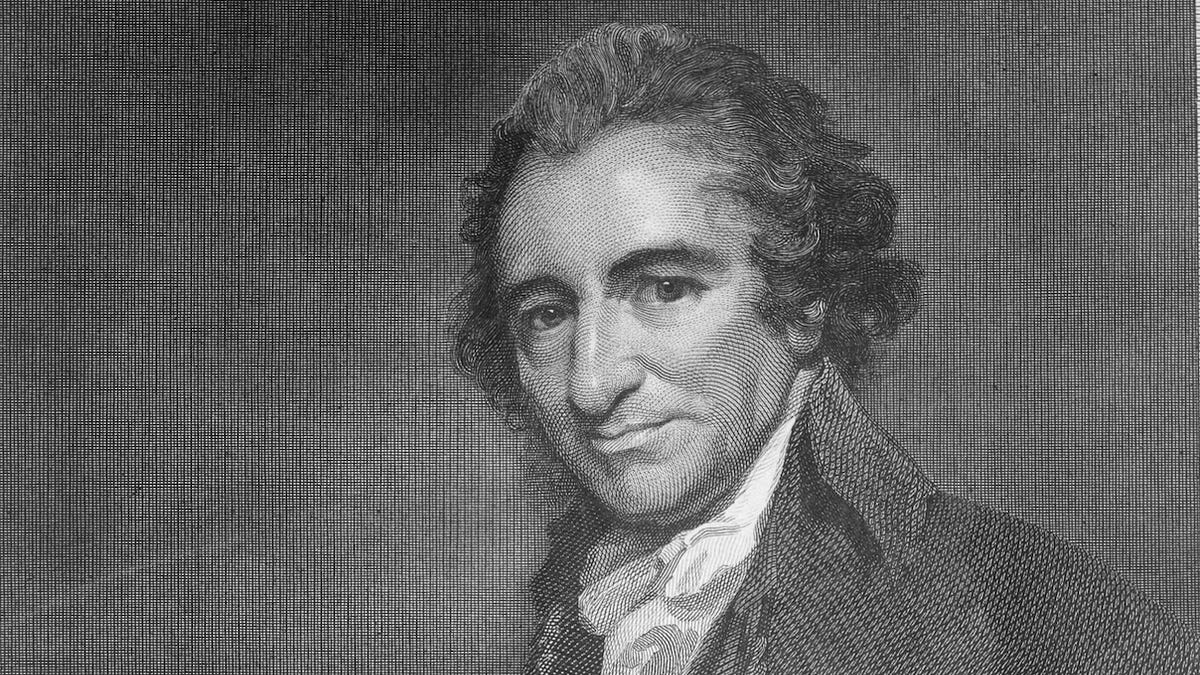
Six months before the Second Continental Congress met and signed the Declaration of Independence, an anonymous essayist published a pamphlet that sent shockwaves across the colonies.
asserted
that → meet → colonies
Common Sense was published upwards of 100,000 times in 1776.
asserted
Sense → publish → 1776
Today, students correctly identify its author as Thomas Paine.
asserted
students → identify → Paine
But in 1776, Americans knew only that it was written anonymously “by an Englishman.”
asserted
it → know → Englishman
This Englishman explained in the preface to Common Sense that “[w]ho the Author of this Production is, is wholly unnecessary to the Public, as the Object for Attention is the doctrine itself, not the man.”
asserted
Object → explain → Attention
But his stated rationale for anonymity reflected a core Enlightenment belief: ideas should be judged by their own merit, regardless of who utters them.
asserted
who → state → them
Paine continued that he was “unconnected with any Party, and under no sort of Influence public or private,” and that his words were influenced only by “reason and principle.”
asserted
words → continue → reason
Eleven years later, with the Revolution won, a group of anonymous authors again would direct the course of American history.
asserted
group → win → history
Pseudonymous authors Publius and Brutus sparred in the columns of New York newspapers over the virtues and vices of the proposed Constitution.
asserted
Publius → spar → Constitution
History recognizes Publius as the alter ego of Alexander Hamilton, James Madison, and John Jay.
asserted
History → recognize → Hamilton
But the trio chose anonymity, like Thomas Paine, to focus attention on their arguments rather than their personalities.
asserted
trio → choose → arguments
The trio’s decision adhered to Enlightenment ideas, but it was also a strategic choice.
asserted
it → adhere → ideas
Aristotle had suggested more than 2,000 years earlier that a speaker can establish credibility by the command and logical strength of his argument.
uncertain
speaker → suggest → argument
If Hamilton and company had identified themselves, readers would have prejudged the ideas.
asserted
readers → identify → ideas
The same is true today: we approach ideological opponents with skepticism, while making every effort to justify the ideas of our allies.
asserted
we → approach → allies
Anonymity allows a pathway around this bias, focusing attention on ideas, rather than their author.
asserted
Anonymity → allow → author
But there was yet another reason for the friends and foes of the proposed Constitution to hide their identity: social ostracization.
asserted
friends → be → identity
In the columns of the Philadelphia Independent Gazetteer, for instance, a supporter of the proposed Constitution cautioned an anonymous opponent that he had better hope that his identity remained a secret “if he wishe[d] to escape the just resentment of an incensed people, who perhaps may honor him with a coat of TAR and FEATHERS.”
uncertain
who → propose → TAR
But human nature has not changed in the last two-and-a-half centuries; tribalism is hard-wired into our genes.
asserted
tribalism → change → genes
Today, cancel culture has replaced tar and feathers, and cancel culture is the antithesis of free and open debate.
asserted
culture → replace → debate
Rather than judging ideas in their own right, we judge them based on social pressure to conform.
asserted
we → judge → pressure
Conservative students fear voicing unpopular opinions in class, liberal academics fear publishing controversial scholarship, and all of us worry that a post we thought innocuous will end up ruining our career.
asserted
we → fear → career
Anonymity offers an escape hatch.
asserted
Anonymity → offer → hatch
…and 38 more, not listed.