Claims extracted
16
sentences that state something as happening or true
Uncertain
6%
1 of 16 hedged
("reportedly", "may", "according to")
Leaning
Leans right
of the writing, not the subject · beta estimate
Publisher signals
69/100
BBC News's corrections and
hedging, across everything collected from it. Not a measure of accuracy.
Outlets on this story
1
Politics
Same framing elsewhere
1
articles that frame the event the way this one does
- Published
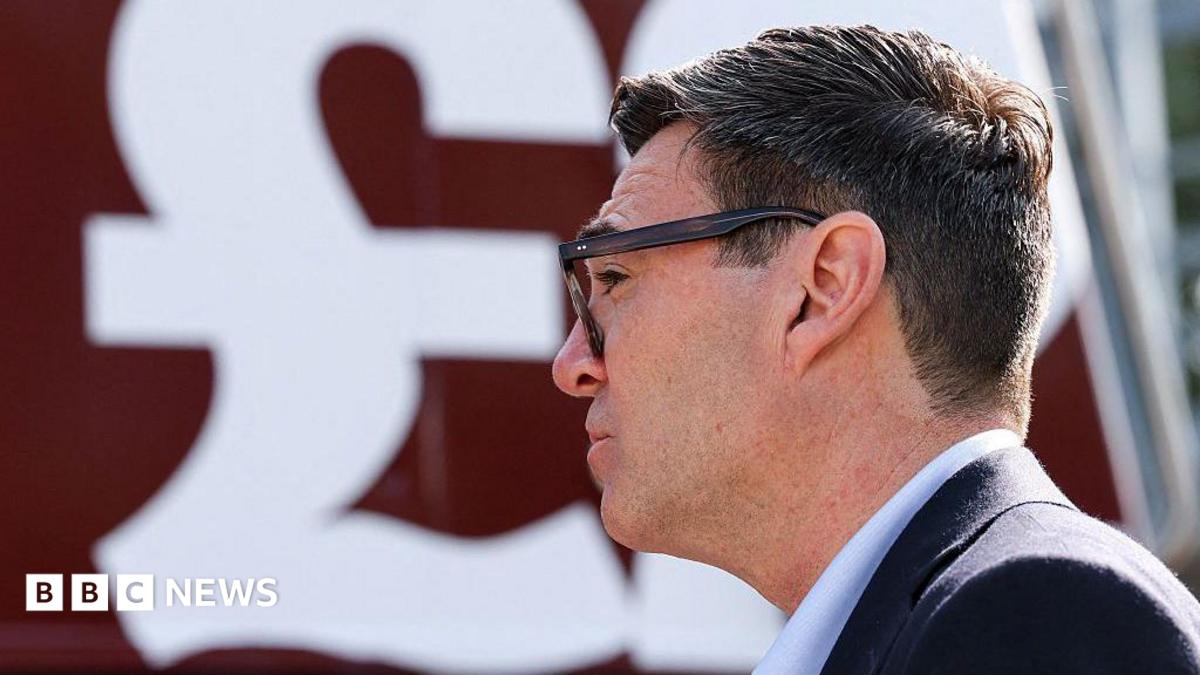
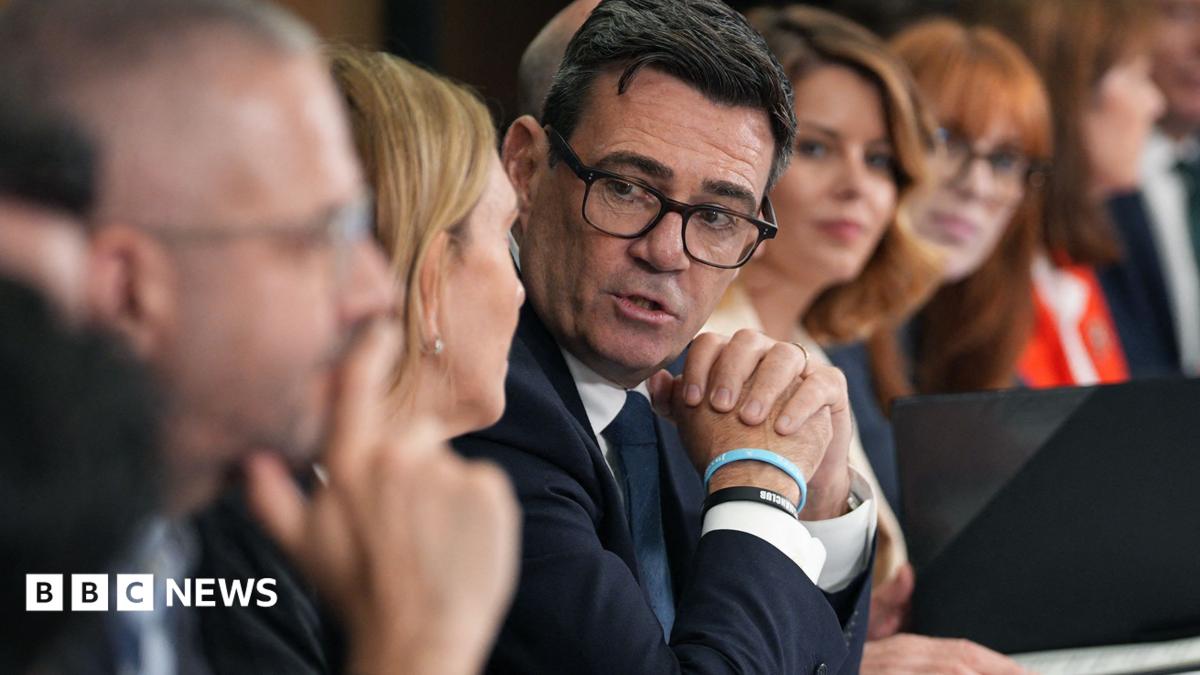
Prime Minister Andy Burnham will have to raise taxes or cut spending to meet his pledges on defence and the cost of living, a major think tank has said.
asserted
tank → publish → living
Burnham has announced a series of new measures since assuming office last week, including cuts to electricity bills and bringing the bus fare cap in most parts of England back down to £2.
asserted
Burnham → announce → 2
But the National Institute of Economic and Social Research (Niesr) warned the public finances will continue to be squeezed by more persistent inflation as a result of the Iran war.
asserted
finances → warn → war
It questioned whether Burnham had "fully thought through" how his promises would be paid for, but said the prime minister will have to raise taxes or cut spending elsewhere.
asserted
minister → question → spending
Stephen Millard, Niesr's deputy director for macroeconomics, said: "There's clearly no scope for increasing borrowing, so it is about choices."
asserted
it → say → choices
Labour's manifesto pledge was to not increase taxes for working people - including income tax, VAT and national insurance contributions - which Burnham has said he will uphold.
asserted
he → increase → which
Millard said Niesr was advocating for cost-of-living measures to be funded through higher taxes – "which could involve tax reform rather than higher marginal rates" – or spending cuts.
uncertain
which → say → rates
He said: "People have talked a lot about the welfare bill – that is an obvious place to look.
"
asserted
that → say → bill
The triple lock on pensions, that is very, very expensive, and will get more expensive as we age."
asserted
we → get → pensions
He also pointed to potentially reforming council tax to move towards a land value tax system, or scrapping some VAT exemptions.
asserted
He → point → exemptions
"Once you've done all of that, then I'm afraid I would break the manifesto promise and would be looking at the income tax rate."
asserted
I → do → rate
Niesr also said on Wednesday it expects inflation to keep rising until February 2027, peaking at 3.8% before falling back to the Bank of England's 2% target.
asserted
inflation → say → target
The think tank said in its latest economic outlook that it does not believe the central bank will cut interest rates until 2028.
asserted
bank → say → 2028
Its Director David Aikman said that "treading water is not enough" to prevent the national debt from rising.
"Every major shock this century has ratcheted the debt ratio higher, and none of that increase has been reversed," he said.
asserted
he → say → increase
The Treasury said the government will stick to its fiscal rules while investing in "the public services people rely on".
asserted
people → say → services
"Fiscal discipline is the bedrock of economic stability and national security," a spokesperson said.
asserted
spokesperson → say → stability
 The Aporia