Large shares of them are battling strikingly high mental health issues.
asserted
shares → battle → issues
They also hold distressing levels of antipathy toward this country.
asserted
They → hold → country
America has so much opportunity to offer young women — but work alone is not enough.
asserted
work → have → women
A love for their country won’t fix all that ails young women, but a stronger sense of duty can help.
asserted
sense → fix → duty
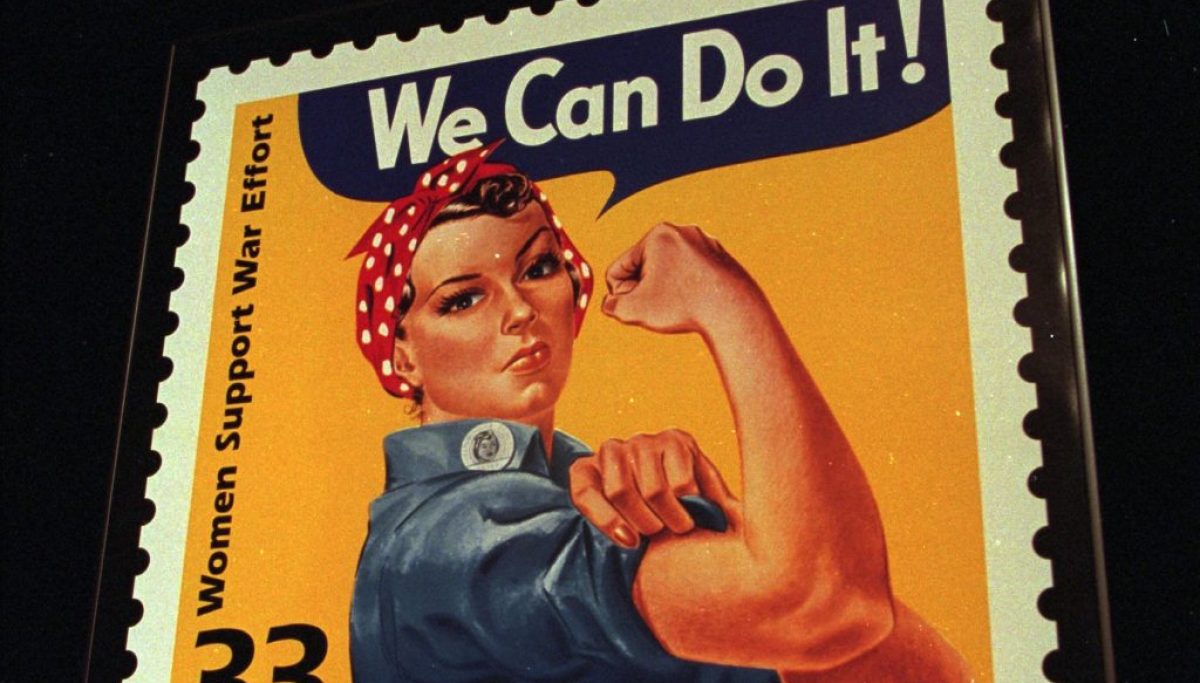
Young women should consider the legacy of Rosie the Riveter and consider why women in the past fought to preserve the blessings of a free society.
asserted
women → consider → society
And why they should continue that fight today.
asserted
they → continue → fight
As we celebrate our nation’s 250th anniversary, many young women aren’t in the mood to party.
asserted
women → celebrate → mood
Last year, 40% of women aged 15 to 44 said they would leave America permanently if they had the opportunity — four times higher than a decade ago, according to Gallup polling.
uncertain
they → age → polling
Young women’s aspirations to leave deviate significantly from other U.S. cohorts, including older women, men of all age groups, and even young women in other countries.
asserted
aspirations → leave → countries
Young women have higher levels of depression than other demographics and express feeling more anxiety and stress.
asserted
women → have → anxiety
Alarmingly, 1 in 5 Gen Z women has seriously considered self-harm or suicide in the past year.
asserted
women → consider → year
They point to a lack of trust in American institutions, politics, and affordability as the cause.
asserted
They → point → cause
Yet, American women are swimming in opportunity.
asserted
women → swim → opportunity
Women accounted for 98% of job gains last month and most of the jobs created during the second Trump administration.
asserted
Women → account → administration
For just the third time in history, women hold more payroll jobs than men.
asserted
women → hold → men
We earn more degrees of every type than men, from associate degrees to doctorates.
asserted
We → earn → doctorates
Young women outearn men in many cities, and those who never have children will enjoy pay parity over their careers.
asserted
who → outearn → careers
Working women today have the agency to craft careers for themselves.
asserted
women → work → themselves
They can choose the family structures and living arrangements that meet their values and ambitions, from trad wives to corporate ladder climbers — and everything in between.
asserted
that → choose → between
Women owe their progress to the Rosies of the World War II era.
asserted
Women → owe → era
The war effort plucked nearly every able-bodied young man from the workforce, leaving millions of open positions in jobs and industries traditionally walled off from women.
asserted
effort → pluck → women
Young women, wives, and mothers traded frilled collars and aprons for blue collars and overalls.
asserted
women → trade → collars
From factory workers to farmers, streetcar operators to journalists, upwards of 6 million women entered the U.S. workforce.
asserted
women → enter → workforce
By 1945, nearly one in four married women worked outside the home
asserted
women → work → home
The fictional icon of “Rosie the Riveter” launched by the U.S. government became an effective marketing tool to reach a critical demographic in the effort to build an “arsenal of democracy.”
asserted
icon → launch → democracy
Rosie was the call, and American women answered.
asserted
women → answer → ?
Rosie also broadened America’s view of the roles in the economy and society that women could fill.
uncertain
women → broaden → that
Industry recognized that women could be trained in technical and skilled work, lead teams, and oversee large-scale production.
uncertain
women → recognize → production
They were “clamoring for more women,” said one Rosie.
asserted
Rosie → clamor → women
By demonstrating firsthand that they were up to any task, women stepped out of the shadow of their spouses and fathers.
asserted
women → demonstrate → spouses
Financial freedom followed.
asserted
freedom → follow → ?
Although earning a fraction of men’s pay, Rosies still amassed fortunes from their overtime and double-time earnings and purchased war bonds.
asserted
Rosies → earn → bonds
Rosies injected new wealth into consumer spending during the post-war economic boom, providing down payments on houses and furnishing new homes.
asserted
Rosies → inject → homes
Listening to the experiences of real-life Rosies, it becomes clear that money was not the motivator for these women, but love for their country.
asserted
money → listen → country
“It was important that America survive,” recounted Milka Bamond, who left home in West Virginia to build planes in Detroit during World War II.
asserted
who → survive → II
We “must keep some remnant of patriotism going or it might not last.”
Barmond, who died last year at 100 years old, cared deeply about what could happen to America if we did not win the war, and later feared what was going to happen to America if we lost that sense of patriotism.
uncertain
we → keep → patriotism
She helped form a small — and shrinking — group of Rosies who speak to American students about their experience.
asserted
who → help → experience
As she said, “to keep us reminded that freedom is not free.”
asserted
freedom → say → ?
Rosies weren’t out to become famous and rich.
asserted
Rosies → become → ?
They starkly contrast the attention-starved social media influencers shaping young women’s perceptions of life and work today.
asserted
They → contrast → life
…and 5 more, not listed.
 The Aporia