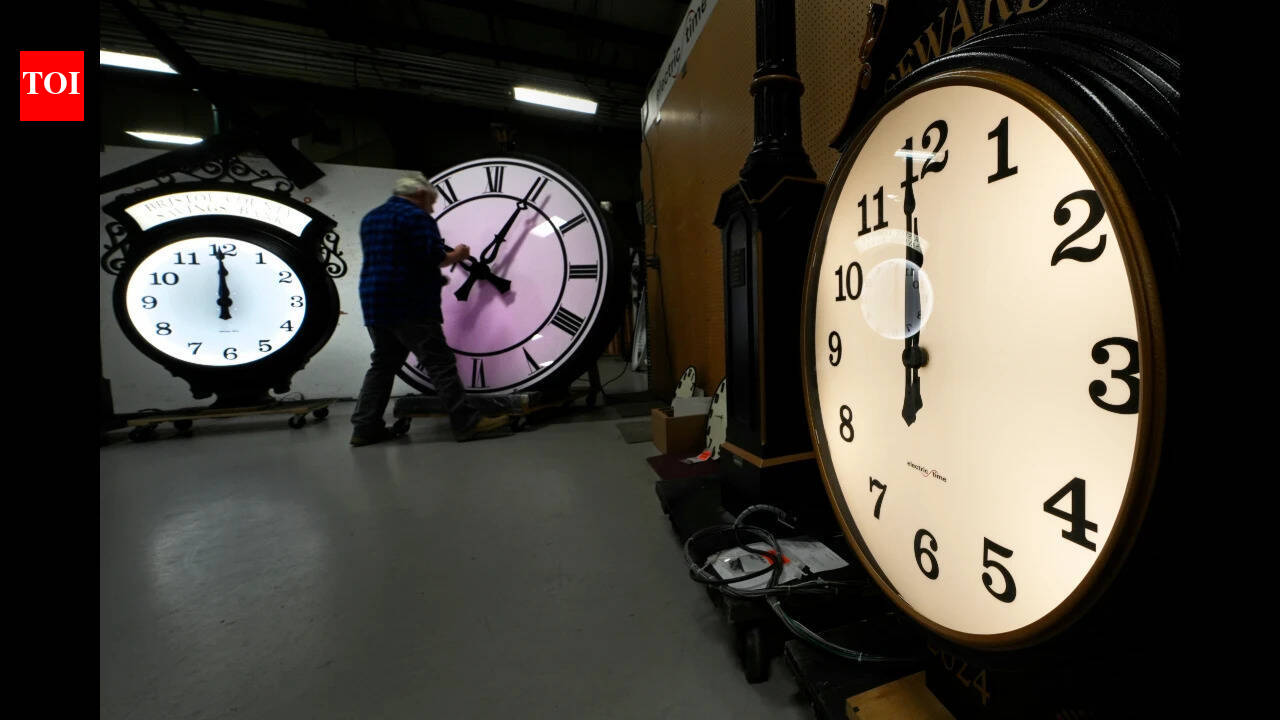
Daylight saving time is set to occur in the United States again this year, with clocks falling back one hour on November 1, 2026. Most states observe this change, while exceptions include Hawaii and most of Arizona. Efforts to make daylight saving time permanent continue but have not been enacted; the House passed the Sunshine Protection Act in July, but it has yet to be advanced by the Senate.
Written locally by qwen2.5:14b on 2026-10-12,
using this article's own text rather than the other coverage of the
same event (that is the story summary below).
Story summary
In 2026, daylight saving time is set to take place in most of the United States, with clocks falling back one hour on November 1, marking the end of daylight saving time for the year. Under current federal rules, daylight saving starts on the second Sunday in March and ends on the first Sunday in November; it began this year on March 8 and will conclude on November 1. This change affects all states that observe daylight saving time except Hawaii and most of Arizona, which do not participate.
Clocks will be turned back from 2 am to 1 am local time, giving people an extra hour. While most modern devices like smartphones and computers adjust automatically, some clocks and household appliances might need manual adjustments. The shift impacts daylight hours by moving sunrise and sunset earlier, providing more morning light but less in the late afternoon.
The Sunshine Protection Act, proposed legislation aiming to end the practice of switching between standard and daylight saving time, may affect future changes.
Written for “Daylight Saving Time Debate” on 2026-10-12,
grounded in this article and the 0 other(s) covering the same event.
Why this leaning score
The article's own words the score was based on. Each is quoted
verbatim and was checked against the article text before being
stored, so you can find it in the original.
Leaning: centre for article 74003 (high confidence, 2 verified quotes) · logged 2026-10-12
Yes, daylight saving time is happening in the United States in 2026, with clocks scheduled to fall back by one hour on Sunday, November 1.
asserted
clocks → save → Sunday
The annual change will bring an end to daylight saving time for the year, as most of the country returns to standard time for the autumn and winter months.
asserted
most → bring → months
Under the current federal rules, daylight saving time begins on the second Sunday in March and ends on the first Sunday in November.
asserted
time → save → November
In 2026, it began on March 8 and will end on November 1.
asserted
it → begin → November
The change will apply to all states that observe daylight saving time.
asserted
that → apply → time
Hawaii and most of Arizona do not follow the practice.
asserted
Hawaii → follow → practice
When do clocks fall back in 2026?
asserted
clocks → fall → 2026
Clocks will be turned back at 2 am local time on
November 1, moving from
2 am to 1 am.
asserted
Clocks → turn → am
This means people in areas observing the change will effectively gain an extra hour.
asserted
people → mean → hour
Most smartphones, computers and internet-connected devices will update automatically.
asserted
smartphones → connect → ?
However, some clocks and household appliances may need to be adjusted manually.
uncertain
clocks → need → ?
The end of daylight saving time will also affect daylight hours.
asserted
end → save → hours
Sunrise and sunset will occur about an hour earlier by the clock, bringing more daylight to the morning and less to the late afternoon and evening.
asserted
Sunrise → occur → afternoon
Is the US ending daylight saving time permanently?
asserted
US → end → time
The United States continues to observe daylight saving time despite recurring efforts to eliminate the twice-yearly clock changes.
asserted
States → continue → changes
Under the existing federal schedule, clocks must still be changed in March and November in states that observe the practice.
asserted
that → exist → practice
Supporters of making daylight saving time permanent argue that longer evening daylight would benefit businesses, recreation and everyday life.
asserted
daylight → make → businesses
Opponents have raised concerns about darker winter mornings and the potential effects on commuters, schoolchildren and early risers.
asserted
Opponents → raise → commuters
Any change to the current nationwide schedule would require the necessary legal action.
asserted
change → require → action
Until then, the November 1 clock change remains scheduled.
asserted
change → remain → ?
The House passed the Sunshine Protection Act by 308-117 in July, but the Senate has not advanced it.
asserted
Senate → pass → it
President Donald Trump has renewed his calls to make daylight saving time permanent.
asserted
time → renew → calls
When will daylight saving time return in 2027?
asserted
time → save → 2027
Daylight saving time is scheduled to begin again on Sunday, March 14, 2027.
asserted
time → save → Sunday
At 2 am local time, clocks will move forward by one hour, provided the current rules remain in effect.
asserted
rules → move → effect
Until then, states that observe daylight saving time will remain on standard time through the winter.
asserted
that → observe → winter
The winter solstice, the shortest day of the year in the Northern Hemisphere, will occur on December 21, 2026.
asserted
solstice → occur → December
Daylight hours will gradually increase after that point, ahead of the return of daylight saving time in March.
asserted
hours → increase → March
 The Aporia