Claims extracted
19
sentences that state something as happening or true
Uncertain
21%
4 of 19 hedged
("reportedly", "may", "according to")
Leaning
Leans strongly right
of the writing, not the subject · beta estimate
Publisher signals
69/100
BBC News's corrections and
hedging, across everything collected from it. Not a measure of accuracy.
Outlets on this story
2
Politics
Same framing elsewhere
1
articles that frame the event the way this one does
- Published
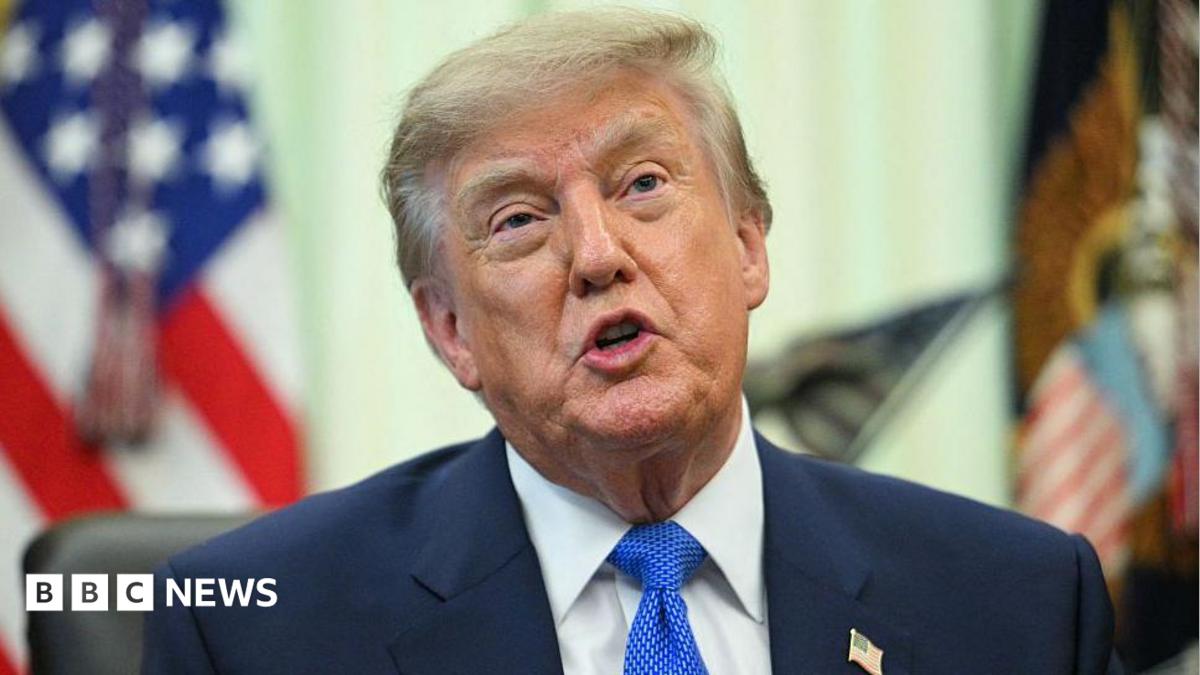
The White House said in a report on Thursday that more than 40 countries had helped China sidestep US tariffs by routing exports through nations that face lower American import duties.
asserted
that → publish → duties
The countries named include Canada, India, Mexico, Japan and South Korea, which the White House said had helped China evade tens of billions of dollars in tariffs, which are levied on companies importing goods.
asserted
which → name → goods
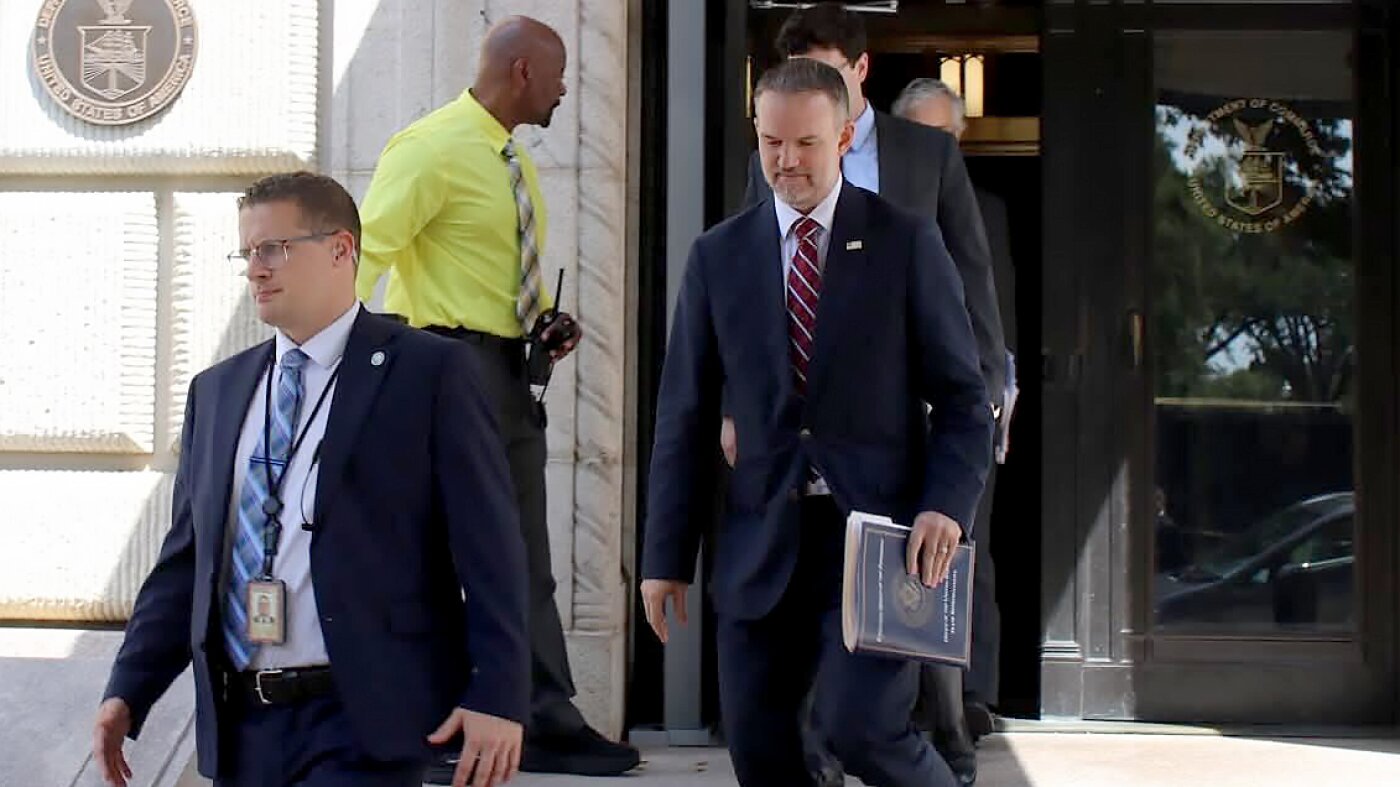
White House trade adviser Peter Navarro said it had cost "American jobs and billions in revenue".
asserted
it → say → revenue
A spokesperson for the Chinese embassy in Washington said "trade wars have no winners" and that it opposes the US tariff measures and the use of state power to target China's companies.
"
asserted
it → say → companies
Any unilateral actions or agreements concerning transshipped goods must not target or harm the interests of third parties," the spokesperson added.
asserted
spokesperson → concern → parties
The BBC has contacted the US embassies of Canada, India, Mexico, Japan, South Korea and other trading partners listed in the report for comment.
asserted
BBC → contact → comment
The report follows a wave of sanctions between the US and China and comes weeks before US President Donald Trump will meet Chinese leader Xi Jinping in Washington.
asserted
Trump → follow → Washington
Between $30bn (£22bn) and roughly $300bn in goods have been moved from countries with higher tariffs through those with lower rates, according to government and private sector estimates quoted by the White House.
uncertain
30bn → move → House
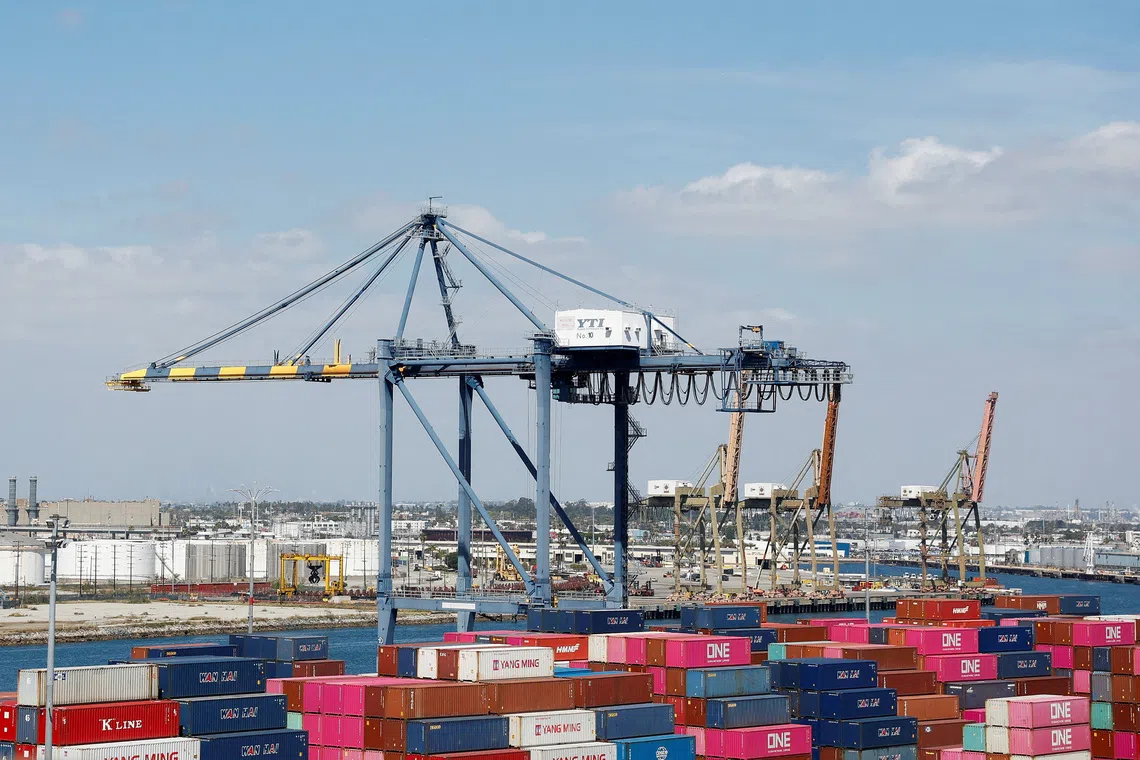
The process is known as transshipping, which refers to the practice of transferring cargo through another country while en route to a final destination.
asserted
which → know → destination
The US accused China of "taking advantage" of the practice by moving goods through nations that have lower import duties.
asserted
that → accuse → duties
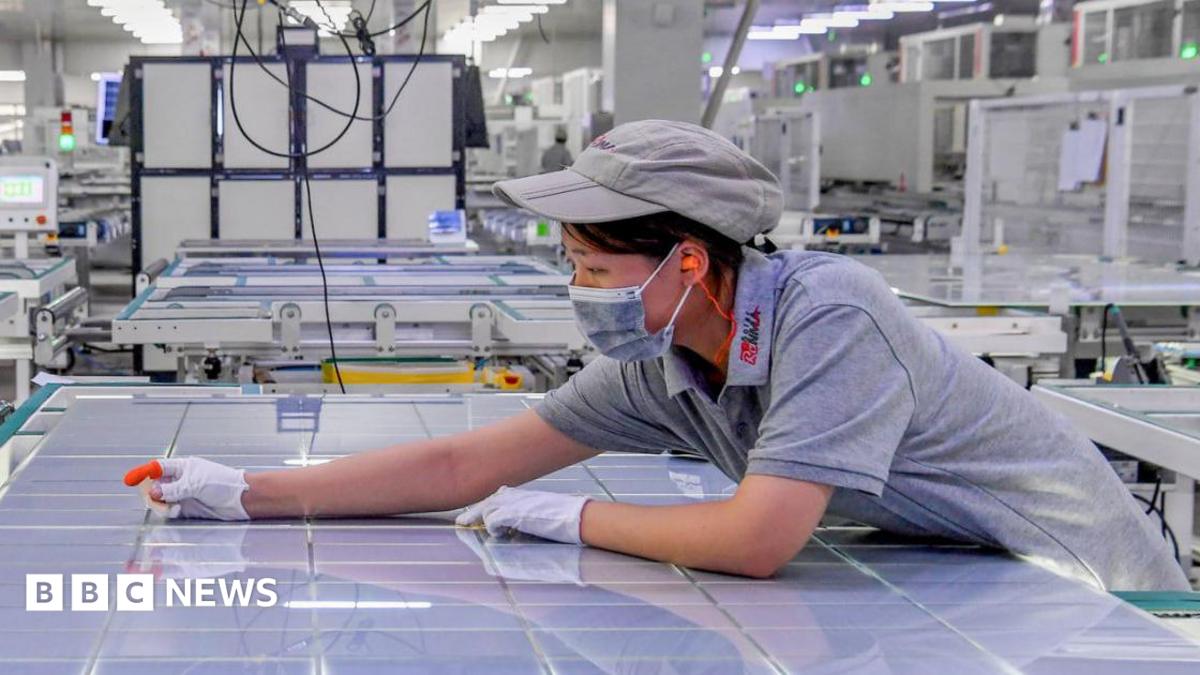
China has used third countries as a stopover and has repackaged goods to hide their real origin to obtain lower tariffs, the White House said in its report, describing the process as "fraud cloaked in paperwork".
asserted
House → use → paperwork
"What has changed in today's Great Transshipment Scam is not merely the speed and scale of this modern form of smuggling, but the breadth, depth, and sophistication of the global Shadow Transshipment Network through which China's tariff evasion now moves," the White House wrote.
asserted
House → change → which
The US has deployed artificial intelligence tools to catch transshipment efforts, it added.
asserted
it → deploy → efforts
Bargaining power
The report is expected to add to key sticking points between the sides as Trump and Xi prepare to meet in the US in September, and Chang Pao Li, associate professor of economics at Singapore Management University, said it could be used to strengthen the US bargaining position.
uncertain
it → expect → position
"Washington can argue that China has preserved access to the US market indirectly and that any broader trade settlement must therefore address not only direct Chinese exports but also third-country routing," she told the BBC.
asserted
she → argue → BBC
Chang said while changes in trade-flow patterns may partly reflect legitimate production relocation and supply-chain reorganisation, the implication is that "economies with deeper integration with Chinese supply chains may now face additional risk and costs".
uncertain
economies → say → risk
Despite a pause in most tariffs following talks in May 2025, Washington and Beijing have continued to exchange sanctions, including restrictions on humanoid robots shipped to the US and tighter Chinese curbs on drone exports.
uncertain
Washington → follow → exports
In April 2025, Trump unveiled sweeping levies on dozens of US trading partners based on a long-held belief that tariffs will help boost American jobs and the economy.
asserted
tariffs → unveil → jobs
Those sanctions have since been struck down by the US Supreme Court, but Trump has repeatedly introduced new tariffs using alternative legal levers to continue his signature policy.
asserted
Trump → strike → policy
 The Aporia