The Independent
· collected 2026-10-12 · by James C. Reynolds
Yemen’s Houthi rebels have launched a lightning offensive across the country's Red Sea coast, seizing control of the strategic Bab el-Mandeb strait and threatening to expand the frozen US-Israeli conflict with Iran to the east.
asserted
rebels → launch → east
The land grab has been backed by a deadly campaign of deep strikes inside the kingdom.
asserted
grab → back → kingdom
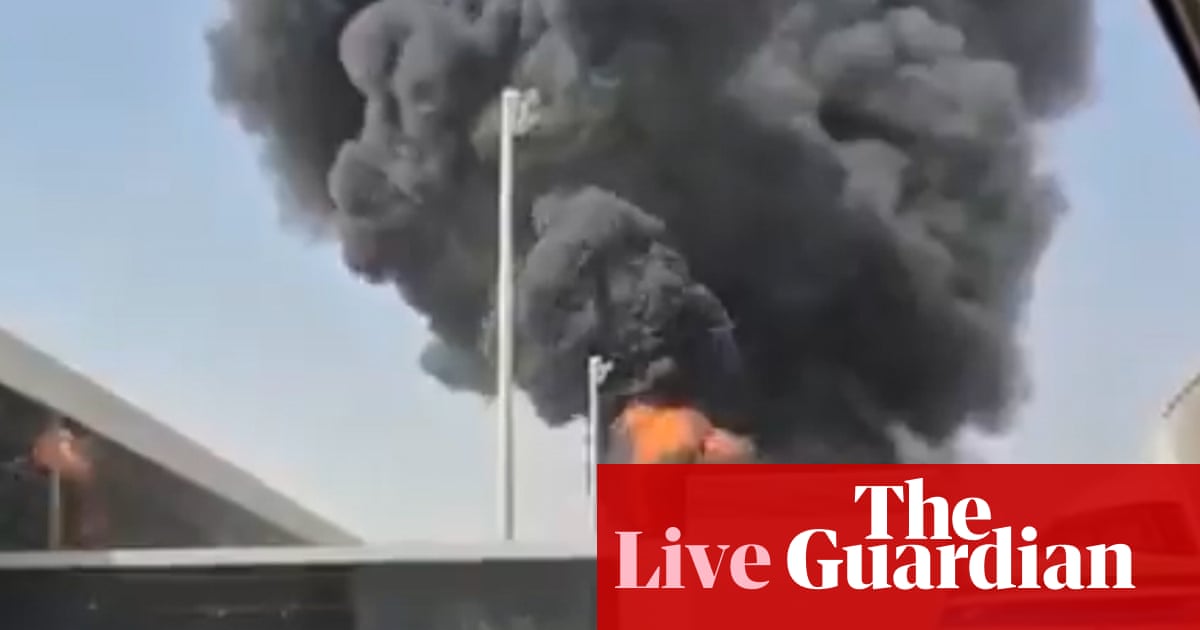
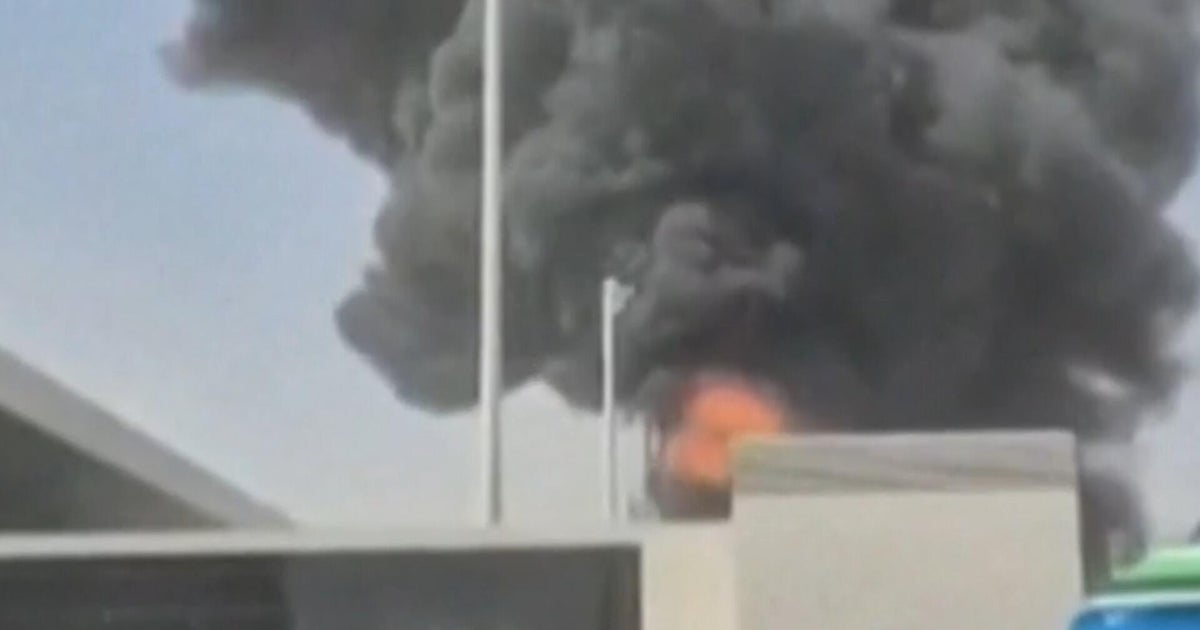
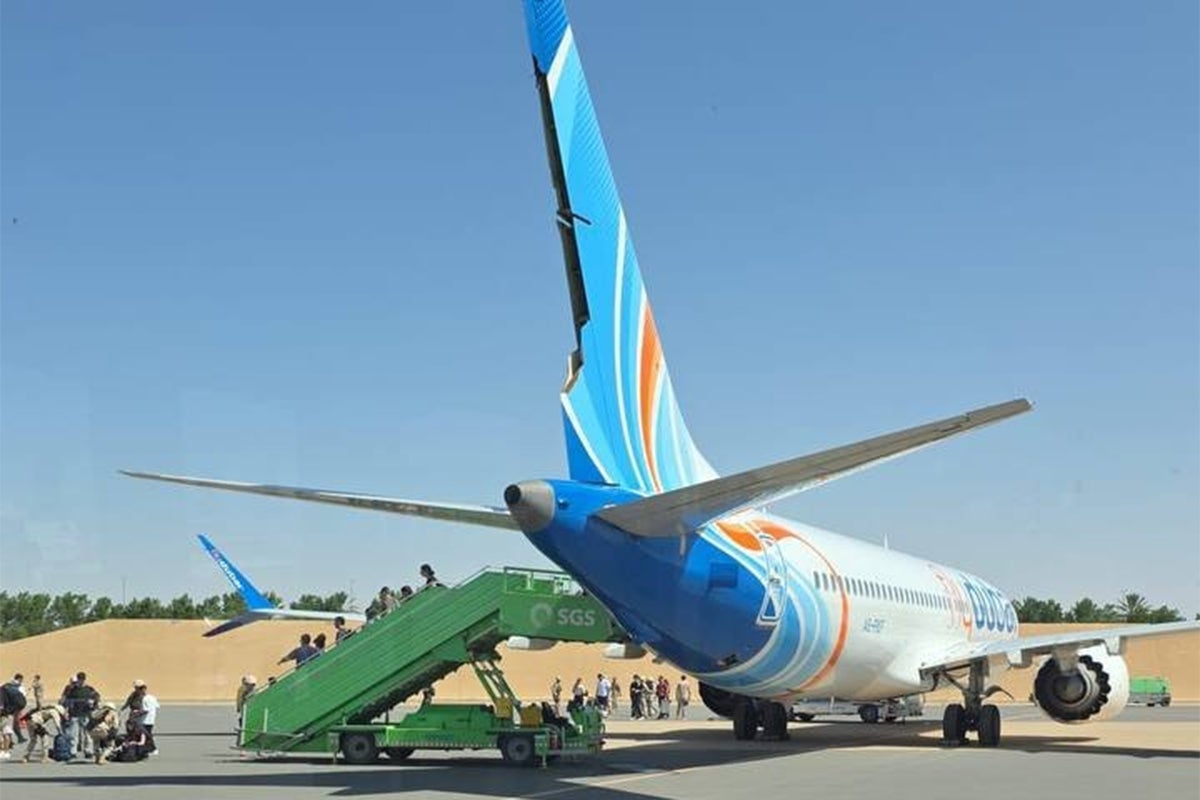
Over the weekend, Houthi missile and drone attacks struck King Khalid International Airport in Riyadh, killing at least 13 people — marking the deadliest attack in the kingdom in more than a decade.
asserted
attacks → strike → decade
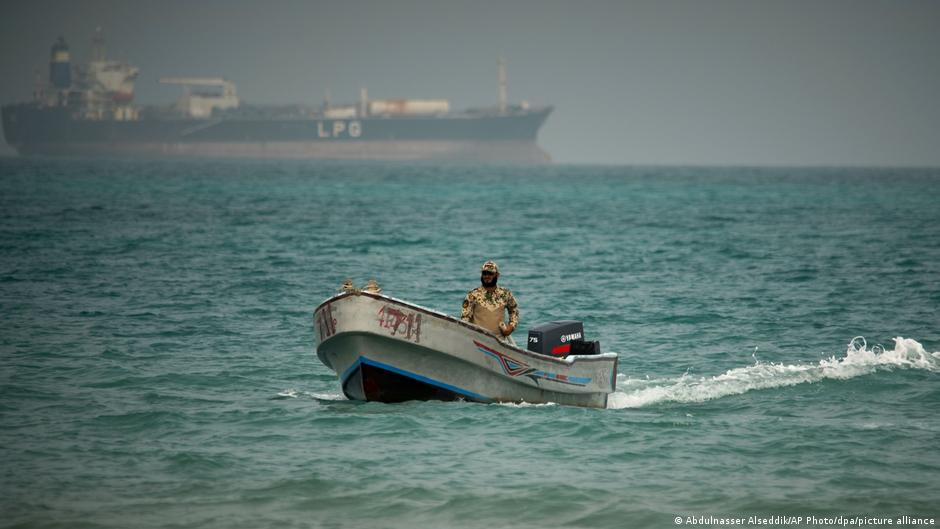
By securing a position overlooking the narrow Bab el-Mandeb strait, the Iran-aligned group has opened a second pressure point, further squeezing Saudi Arabia’s oil exports already diverted from the Strait of Hormuz.
asserted
group → secure → Hormuz
Analysts say the main aim of the offensive is to secure control over the Red Sea as Iran maintains its grip over Hormuz, allowing them to raise oil prices and making it harder for Washington to resolve the crisis.
asserted
Washington → say → crisis
Gulf states – already deliberating over Iran’s ambitions to control shipping through Hormuz – will have to choose between tolerating the status quo and engaging with Tehran to protect trade across the region, they say.
asserted
they → deliberate → region
Already fighting a deeply unpopular war to the east, Donald Trump has avoided any commitment to bailing ally Saudi Arabia out with strikes against the Houthis, though experts say US intervention may be needed to break the Houthi grip on the Red Sea.
uncertain
intervention → fight → Sea
The Independent looks at how the Houthis are advancing, and what this means for regional stability.
asserted
this → look → stability
Why are the Houthis fighting with Saudi Arabia?
asserted
Houthis → fight → Arabia
The Houthi rebels are a military, political and religious movement that rules over most of northwest Yemen and has disrupted global trade and energy markets with strikes on cargo ships and tankers in the Red Sea.
asserted
that → rule → Sea
The group exploited the chaos of the 2011 Arab Spring to oust the internationally recognised government from Sanaa in 2014, beginning the devastating Yemeni civil war.
asserted
group → exploit → war
Fearing the Iran-aligned group could seize control of the Bab el-Mandeb strait, and therefore threaten Riyadh’s ability to export oil, Saudi Arabia intervened a year later, supported by the US, UK, France and others.
uncertain
Arabia → fear → US
A UN-brokered ceasefire followed in 2022 and since then, both sides have refrained from major escalatory actions.
asserted
sides → broker → actions
Iran has not directly intervened in Yemen, but the fighting is considered part of a wider Iran-Saudi proxy conflict.
asserted
fighting → intervene → conflict
It was during the Israeli war in Gaza, from 2023 to 2025, that the Houthis started attacking ships in the Red Sea in support of Iran-aligned Hamas.
asserted
Houthis → start → Hamas
The UK and US hit Houthi targets in 2025 as part of a campaign to restore freedom of navigation.
asserted
UK → hit → navigation
Crucially, Trump last year struck a deal to end the US strikes on the Houthis in exchange for a halt to strikes on Red Sea shipping.
asserted
Trump → strike → shipping
Taking on the group now would likely expose US forces in the region to missile attacks from Yemen.
asserted
Taking → take → Yemen
Clashes with Saudi Arabia restarted in July as both sides enforced new blockades on maritime traffic.
asserted
sides → restart → traffic
The Houthis struck Saudi oil tankers accused of violating their blockade.
asserted
Houthis → strike → blockade
What are they doing now?
asserted
they → do → What
Despite years of conflict – and with some 14 per cent of Yemen’s population displaced – the Houthis last week oversaw an astonishing push east to the coast, granting them much greater control over traffic through the Red Sea.
The escalation has since expanded into a direct campaign against Saudi territory.
asserted
escalation → displace → territory
Over the weekend, a barrage of Houthi missile and drone strikes hit King Khalid International Airport in Riyadh, killing at least 13 people — including a US citizen — and injuring more than 300.
asserted
barrage → hit → 300
Additional strikes targeting Saudi energy infrastructure and municipal facilities have forced temporary airport closures and heightened regional security alerts.
Edmund Fitton-Brown, a former UK ambassador to Yemen, told The Independent that after months of attacks at sea, the Houthis “think the moment has come to call the Saudi bluff”.
asserted
moment → target → bluff
“They think the Saudis have lost the stomach for the fight.
asserted
Saudis → think → fight
They think that they showed themselves to be weak and frightened in the face of the Iranians,” said Mr Fitton-Brown, a senior fellow at Foundation for Defense of Democracies.
asserted
Brown → think → Democracies
“And the Houthis think that this is the moment where they can effectively raise their demands and get the Saudis to concede even more advantageous terms than they were previously willing to do.”
With Iran controlling the strait on one side of the Arabian peninsula, and the allied Houthis controlling the other, the wider war has handed more regional influence in the region to Tehran, with Gulf countries now forced to accept they may have to engage with Iran and give up their faith in Washington as a guarantor of security.
The war presents the US with a dilemma, too: intervene and spend huge resources on a second front in the deeply unpopular war with Iran, or watch on and undermine the relationship with another ally in the region.
uncertain
war → think → region
Sources told CNN that the US has offered intelligence and targeting support to the Saudis in lieu of military support.
asserted
US → tell → support
How are the Houthis breaching Saudi’s air defences?
asserted
Houthis → breach → defences
While Saudi Arabia operates advanced air defence networks — including US-supplied Patriot and THAAD missile batteries — Houthi attacks continue to slip through.
asserted
attacks → operate → batteries
This is because the Houthis rely on a combination of staggered salvoes and mixed arsenals to overwhelm radar capabilities.
asserted
Houthis → rely → capabilities
By launching slow-moving suicide drones first, followed by low-altitude cruise missiles and high-speed ballistic missiles only minutes later, the Houthis force defensive systems to engage multiple distinct threats arriving at the exact same moment.
asserted
Houthis → launch → moment
Low-flying drones often bypass long-range radar designed primarily to track high-altitude targets.
asserted
drones → fly → targets
At the same time, the vast geographical footprint of the kingdom — covering major airports, military bases, and oil fields across millions of square kilometres — makes complete coverage nearly impossible.
asserted
coverage → cover → kilometres
The tactic also imposes a severe cost asymmetry on defenders.
asserted
tactic → impose → defenders
Firing multi-million-dollar interceptors to destroy cheap, assembled drones rapidly drains Saudi and allied missile stockpiles during sustained multi-wave attacks.
What has changed on the ground?
Houthi commanders announced a broad offensive targeting critical energy infrastructure and urban centres across southern and central Saudi Arabia as their ground forces pushed west.
The capture of key coastal hubs like al-Mokha and strategic points on Perim Island effectively divides the Bab el-Mandeb strait.
asserted
capture → fire → strait
Middle East analyst Fawaz Gerges described the seizure of key positions along the waterway as a structural shift in regional dynamics.
asserted
Gerges → describe → dynamics
“It changes the balance of power and gives them far greater geopolitical and geoeconomic leverage over Saudi Arabia, the Gulf, the United States and global trade,” he said.
asserted
he → change → Arabia
Concurrently, attacks attributed to regional proxy networks struck Saudi Arabia’s East-West pipeline, severely impacting the primary overland bypass used to transport crude past the blocked Strait of Hormuz.
asserted
attacks → attribute → Hormuz
Sources told Reuters that rising economic losses and Washington's initial reluctance to launch direct strikes are convincing several Gulf leaderships that diplomatic outreach to Tehran may be necessary for self-preservation.
uncertain
outreach → tell → preservation
…and 13 more, not listed.
 The Aporia