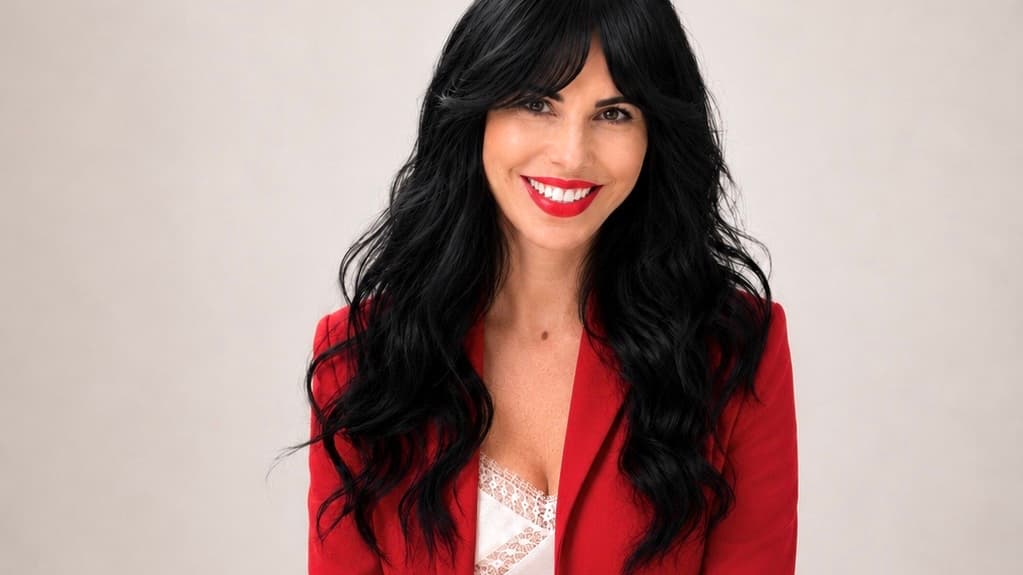
Eva Erdmann took the helm at Kate Spade New York in the fall of 2024, and has been tasked with leading a turnaround at the fashion brand, owned by Tapestry.
asserted
Erdmann → take → Tapestry
The brand’s revenue has been in decline for multiple quarters, but Erdmann is looking to right the ship by streamlining the business and targeting Gen Z consumers nostalgic for the ’90s and attracted to the whimsy of the brand.
asserted
Erdmann → look → brand
South African singer Tyla recently became a brand ambassador, and other campaigns have featured Ice Spice, Laufey, and Charli D’Amelio.
asserted
campaigns → become → Spice
Whether it’s in fashion, culture, or politics, “Gen Z is the most influential generation ever in history,” Erdmann believes.
asserted
Erdmann → ’ → history
She is also tapping into the brand’s sense of fun, from animal-shaped bags to accessories that nod to Kate Spade’s New York City heritage, like a bagel-shaped bag charm or a wallet designed to look like a Metro Card.
asserted
that → tap → Card
“Today, in this world, where everything feels very heavy and uncertain and fragmented and isolated at the same time, I think that a brand that brings optimism and joy and lightness has a role to play—has always had a role to play—but even more today, and that's really what we are building at at Kate Spade
asserted
we → feel → Spade
,” Erdmann says.
asserted
Erdmann → say → ?
The brand, named after co-founder Kate Spade, was launched in 1993 with just six handbag designs.
asserted
brand → name → designs
The founders sold it to Neiman Marcus in 2006.
asserted
founders → sell → 2006
The business was later bought by Liz Claiborne, which was then acquired by Tapestry for $2.4 billion in 2017.
asserted
which → buy → 2017
Designer Spade died in 2018, having changed her name to Kate Valentine in 2016 to "separate the two worlds."
asserted
Spade → die → worlds
The fashion brand has become known the world over.
asserted
brand → know → ?
“I deeply believe that great brands do more than selling products,” says Erdmann.
asserted
Erdmann → believe → products
“They shape culture…they bring a vision on the world, they help people feel differently about themselves, or they solve something for them.”
asserted
they → shape → them
Erdmann made the leap to Kate Spade New York from the beauty business, having spent much of her career at L'Oréal, most recently serving as global president of Urban Decay at the company.
asserted
Erdmann → make → company
TIME spoke with her earlier this year about navigating that transition, her turnaround effort, and how she’s seeking to preserve the brand’s history.
asserted
she → speak → history
(This interview has been condensed and edited for clarity.)
asserted
interview → condense → clarity
You've now been in your role coming up to a couple of years.
asserted
You → come → years
What lessons did you learn through that transition into the world of fashion?
asserted
you → learn → fashion
I've always been very interested in brands with a strong heritage and that have a story to tell, that have a vision on the world, and I've always thought that it's such a precious gift, when you're given a brand with a heritage that you have not only to keep alive, but to reinvent, to modernize for a new generation of consumer.
asserted
you → have → consumer
I am very grateful that I worked for brands with fantastic heritage throughout my career, whether it is beauty or now with Kate Spade, so the transition felt very natural to me, and there is much more overlap than we think between the two industries, because at the end of the day, we're talking about an emotional product, we are talking about brands that are doing more than selling products, we are talking about brands that are bringing a vision to the world, offering a very emotional connection with the consumer, so in that sense there is so much similarity between those two industries that it made the transition easier.
asserted
transition → work → industries
I think what I brought from the beauty industry and the CPG (consumer packaged goods) background is that discipline around the consumer, the consumer being at the center of everything, testing before we invest, really organizing everything around the consumer, and also about the discipline to build hero products that you know you're going to become known for.
asserted
you → think → that
When you build a hero product, you are also building trust with your consumer, because then they know that if they buy something, it's going to still be relevant the next season or the year after, so, when they start investing in that product, you're also building that trust for them in the long term.
asserted
you → build → term
Is there anything that has surprised you since you joined?
asserted
you → surprise → you
Even before I joined Kate Spade, every time I would talk about this brand to friends or acquaintances, they would never tell me, "Oh, I love the brand" or "I love this handbag.”
asserted
I → join → handbag
They would always tell me a story—the first handbag they bought for their first job, or the first bag their mother gave to them for their graduation party, or the bag their sister gave to them for that very specific life moment, for their engagement party.
asserted
sister → tell → party
That was something I've never seen for any other brands.
asserted
I → see → brands
So I came with the conviction that there was a very special emotional connection with the consumer.
asserted
I → come → consumer
What was the surprise when I joined is that it's even more than what I thought, and the data confirmed that impression.
asserted
data → join → impression
What I discovered through the data after joining is that Kate Spade has a fantastic awareness in the U.S.
asserted
Spade → discover → U.S.
Everybody knows this brand.
asserted
Everybody → know → brand
We receive thousands of letters every month from consumers—and it's not letters to ask for discounts or promotions—it's letters to tell us how much they love the brand.
asserted
they → receive → brand
So, we've created a wall in the office.
asserted
we → create → office
I discovered it when I joined the brand, and that feeling I had before joining, it was already very strong, but after joining, when I saw that, it was a fantastic surprise, because you feel you've discovered treasure, and the treasure is this emotional connection that this brand has with the consumer today.
asserted
brand → discover → consumer
Does that add an additional layer of pressure, making sure that you maintain the core elements that make people love the brand, while going through a transition with the business, and not tarnishing that?
asserted
people → add → that
It makes the mission even more meaningful because this brand is iconic.
asserted
brand → make → ?
It was a social phenomenon, you couldn't escape the brand, it was everywhere in the street.
asserted
it → escape → street
So it makes the mission very precious and meaningful to me, and also I always say to my teams, you have to move forward, you have to look backwards.
asserted
you → make → teams
What I mean with that is that you have to respect the true essence of a brand, you have to go back to what made the brand very distinctive and very unique at the beginning.
asserted
brand → mean → beginning
What made the brand successful at the beginning, and when you understand that essence [and] vision, then it becomes your compass for everything you do.
asserted
you → make → everything
…and 48 more, not listed.
 The Aporia