That is 0 articles you have read today.
The Aporia is free and carries no advertising, so readers are the only
thing paying for it. If you are getting this much out of it, a small
donation is what keeps it independent.
Daily limit reached
You have read 0 articles today.
That is more than the 15 a day The Aporia gives away,
and well past what it can carry on nothing. Your allowance resets at
midnight.
There is no advertising here and nothing about you is sold, so readers
are the only thing paying for it. If the site is worth this much of
your day, it is worth a few dollars.
Everything else stays open: the
maps, the
directory and
search do
not count against this, and neither does re-opening something you have
already read today.
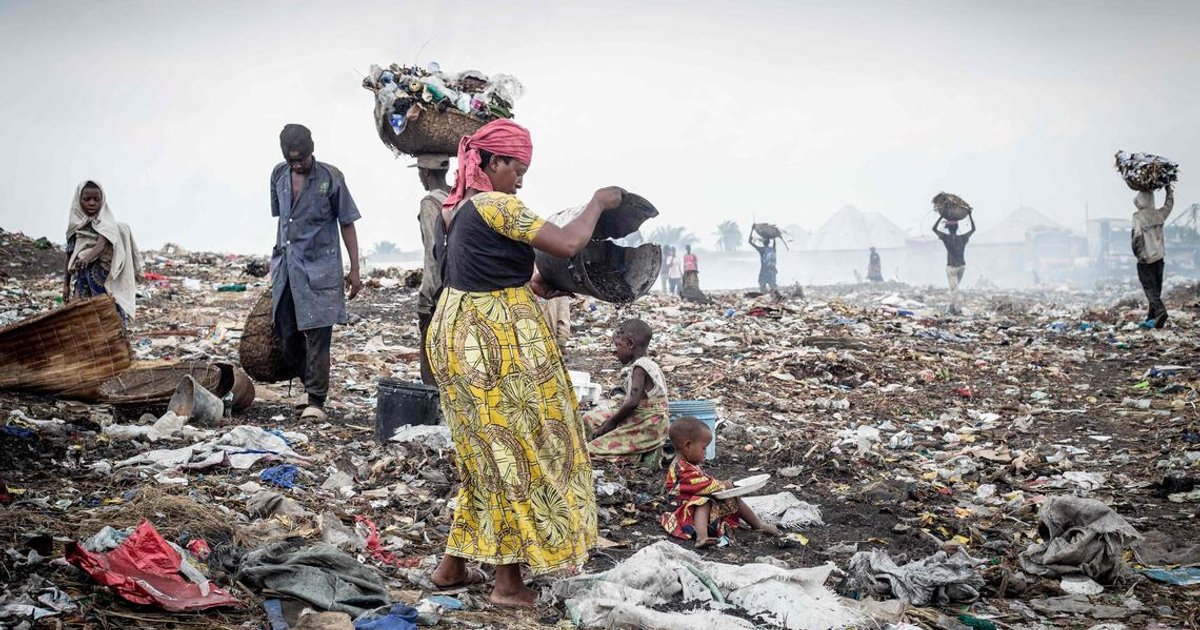
The United Nations Development Programme (UNDP) reported on October 12 that the global poverty index has increased for the first time since its creation in 2010, affecting 1.2 billion people, including an additional 51.5 million compared to the previous year. UNDP Administrator Alexander De Croo highlighted that this rise is a significant issue, emphasizing that over half of those living in poverty are children and citing factors such as hunger, missed schooling, and lack of basic amenities like clean water or electricity. The report noted both progress in some countries reducing poverty rates and challenges due to population growth, particularly in sub-Saharan Africa and South Asia.
Written locally by qwen2.5:14b on 2026-10-12,
using this article's own text rather than the other coverage of the
same event (that is the story summary below).
Story summary
In the 2026 edition of their annual report, the UNDP and the Oxford Poverty and Human Development Initiative reported an increase of 51.5 million people living in "acute" poverty compared to the previous year, bringing the total number of people affected globally to 1.2 billion for the first time since the index's creation in 2010. UNDP Administrator Alexander De Croo highlighted that this rise should serve as a “wake-up call” for addressing the unacceptable conditions faced by those in poverty, including hunger, missed schooling, and lack of clean water or electricity. Over half of those affected were children. Despite the overall increase, some progress was noted; 33 nations have halved their percentage of people living in poverty. However, population growth is cited as a significant factor contributing to the uptick, with new data available for only 13 out of 108 developing countries covered by the report.
Written for “Global Poverty Increase” on 2026-10-12,
grounded in this article and the 0 other(s) covering the same event.
Why this leaning score
The model judged this article politically coded and scored it -0.35, but 1 quote(s) could not be found in the article and the other 1 are attributed speech rather than the article's own narration, so the score is not published.
Written under an earlier scoring contract, which gave a paragraph
rather than checkable quotes. Re-analysing this article replaces it.
Leaning score withheld for article 73256: no verified evidence · logged 2026-10-12
Global poverty index rises for first time since its 2010 creation
AI generated
WASHINGTON –
asserted
index → rise → AI
A UN global poverty index has risen for the first time since its creation in 2010, bringing the number of people affected to 1.2 billion, the United Nations Development Programme (UNDP) reported on Oct 12.
asserted
Programme → rise → Oct
In the 2026 edition of their annual report, the UNDP and the Oxford Poverty and Human Development Initiative research centre counted 51.5 million more people living in “acute” poverty compared to the previous year.
asserted
UNDP → count → year
UNDP Administrator Alexander De Croo said the increase in poverty should be a “wake-up call for the world”.
asserted
increase → say → world
“Behind these figures are 1.2 billion people facing hardships that reinforce one another: Hunger, missed schooling and a lack of clean water or electricity.
asserted
that → face → water
This is unacceptable,” he said in a press release.
asserted
he → say → release
However, UNDP said a major factor in the recorded increase was population growth, and new data was only available for 13 of the 108 developing countries covered by the report.
asserted
data → say → report
While the total number of people in poverty has increased, the report provides a mixed picture.
asserted
report → increase → picture
Some 33 nations have halved the percentage of their people living in poverty as defined by the index in the past 15 years.
asserted
nations → halve → years
Those included six countries in sub-Saharan Africa.
asserted
Those → include → Africa
Among the countries that have made the most rapid progress were countries in Asia – China and Vietnam – UNDP said.
asserted
UNDP → make → Asia
As in the previous year, the report found that the majority of the poorest people live in sub-Saharan Africa and South Asia, specifically the Indian subcontinent, the most densely populated region on Earth.
asserted
majority → find → Earth
“In Egypt, Nepal, and Tajikistan, both the poverty rate and the number of people experiencing multidimensional poverty have decreased significantly,” the press release said.
asserted
release → experience → poverty
In Angola and Zambia, the poverty rate has also declined, but population growth has more than offset this decrease, resulting in an increase in the number of people living in poverty.
asserted
growth → decline → poverty
The poverty index used in the report includes indicators such as the lack of adequate housing, sanitation, electricity, cooking fuel, food and education.
asserted
index → use → housing
 The Aporia