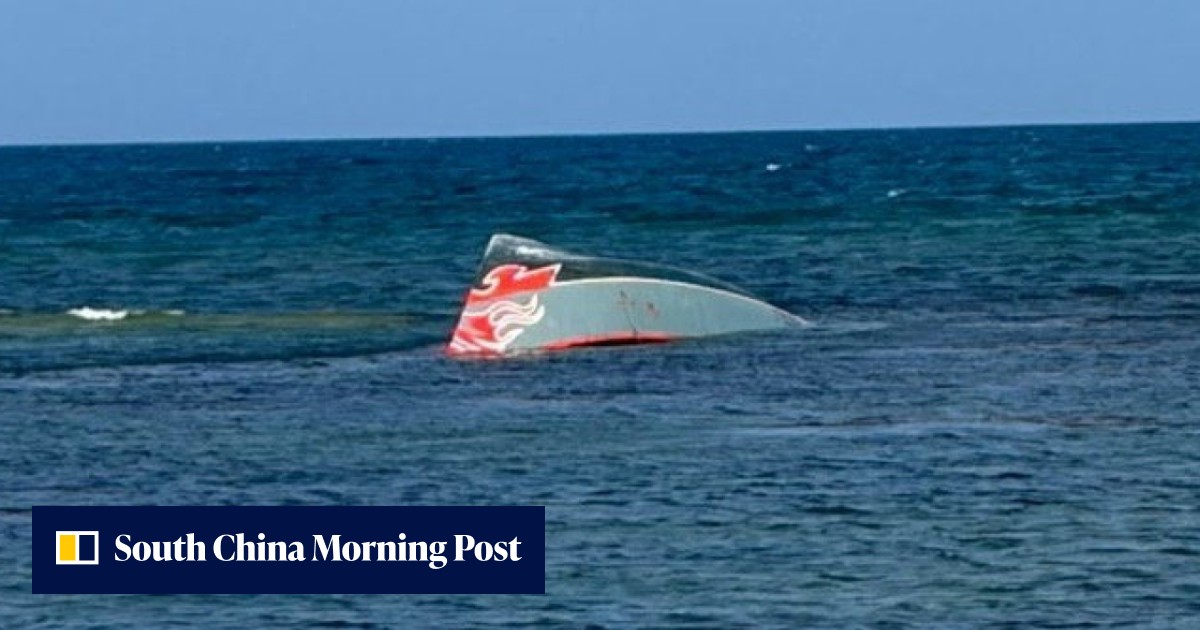
A boat carrying migrants from Djibouti to Yemen capsized, resulting in at least 139 deaths and 84 people missing, with only 80 survivors reported. The incident occurred near Guhere, north of Obock, Djibouti, on Thursday night into Friday morning, according to the International Organization for Migration (IOM). The vessel was overcrowded, holding about 305 people, mostly Ethiopian nationals seeking work in wealthier Gulf nations despite the ongoing violence in Yemen and Ethiopia.
Written locally by qwen2.5:14b on 2026-10-12,
using this article's own text rather than the other coverage of the
same event (that is the story summary below).
In short:
A boat carrying migrants from Djibouti to Yemen has sunk, killing at least 139 people, including 15 children.
asserted
boat → carry → children
It is one of the deadliest incidents yet on the popular but perilous crossing from the Horn of Africa to the Arabian Peninsula, where many migrants seek work in rich Gulf nations.
asserted
migrants → seek → nations
At least 3,700 Yemenis have travelled the crossing in the opposite direction in recent weeks, amid fighting between Houthi rebels and the internationally recognised Yemen government.
asserted
Yemenis → travel → rebels
At least 139 migrants have died and dozens are missing after a boat carrying 305 people capsized while sailing from Djibouti to Yemen, the International Organization for Migration (IOM) has said.
asserted
Organization → die → Migration
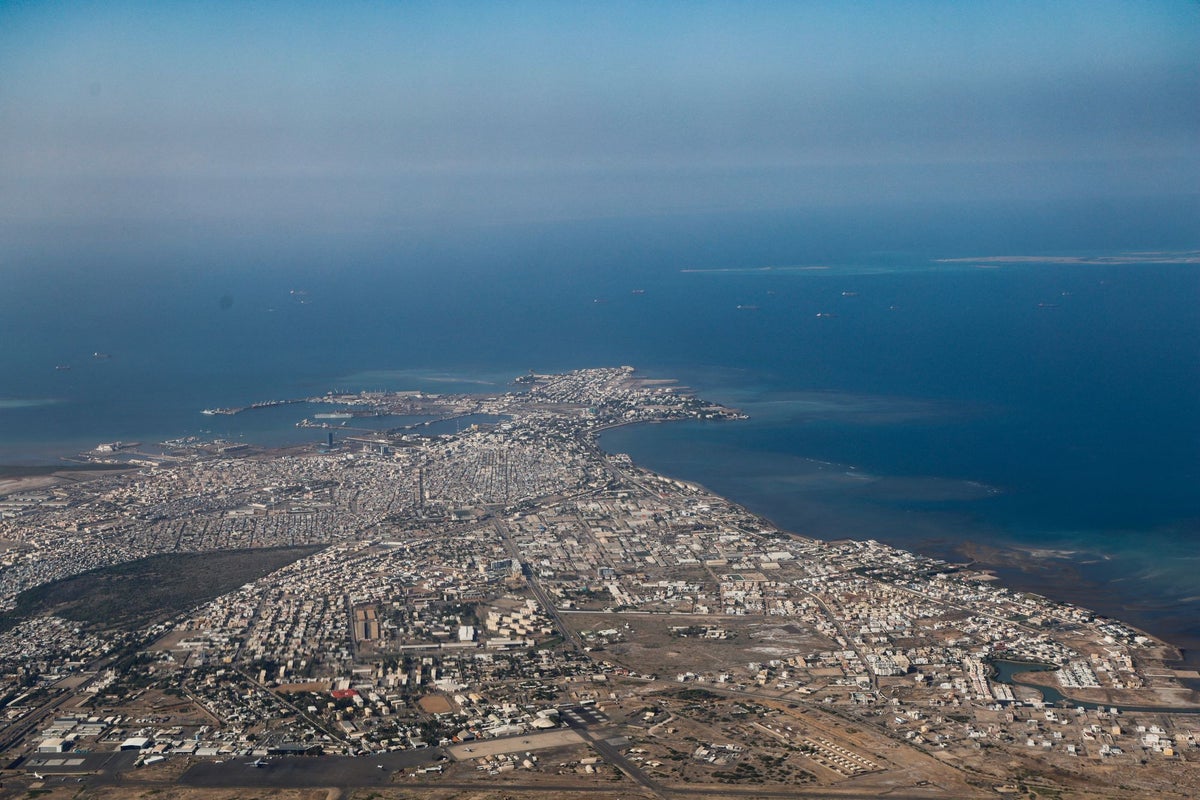
The boat capsized near Guhere, north of Djibouti's Obock, on Thursday night into Friday morning local time, the UN agency said, citing survivor accounts.
Alexandre Coissac, the IOM's chief of mission in Djibouti, said the vessel sank soon after it departed "mainly because it was overcrowded".
The death toll includes only those buried by authorities in Djibouti.
asserted
toll → capsize → Djibouti
Others have been buried by the migrants themselves but they will not be added to the official count until authorities can verify the bodies, Mr Coissac said.
asserted
Coissac → bury → bodies
More than 80 people survived, all of them Ethiopian nationals, while 84 remain missing.
Photographs shared by the UN agency showed worn-out sandals and sneakers washed up on the shore.
asserted
sandals → miss → shore
"Our teams are on the ground alongside local authorities to provide emergency assistance," Mr Coissac said.
"This tragedy is a stark reminder of the dangers faced by migrants along this migration corridor as they seek economic opportunities."
asserted
they → provide → opportunities
Djiboutian authorities are continuing search and rescue operations, the IOM said, as well as providing medical care to survivors and arranging burials for the dead.
asserted
IOM → continue → dead
Both the Djibouti government and the Ethiopian government could not be immediately reached for comment.
uncertain
government → reach → comment
The migrants were heading to Yemen, with the hope of eventually making it to wealthier Gulf nations, even as Yemeni nationals themselves flee their country.
Yemen is experiencing the most serious escalation in fighting between Saudi Arabia-backed government forces and the Iran-backed Houthis since a UN-brokered truce in 2022.
asserted
Yemen → head → 2022
"Despite the violence in Yemen, migrants are still making the perilous journeys hoping to make it to the Gulf countries," the IOM statement said.
asserted
statement → make → countries
The IOM described the crisis sparked by the fighting in Yemen as alarming, with displacement figures surging to 200,000 from 76,000 in mid-September, according to data released by the agency last week.
uncertain
figures → describe → agency
More than 3,700 people have fled Yemen by sea to Djibouti as of last week, it said.
asserted
it → flee → week
That is the opposite direction from the movement of the migrants who died when the boat capsized and the typical migration patterns of recent years.
asserted
boat → die → years
Escalation of violence in Ethiopia
In the past month fighting has also broken out in Ethiopia in the biggest escalation of violence since the 2020-2022 Tigray war.
asserted
fighting → break → war
An IOM official told Reuters the agency had documented heavy migrant traffic along the so-called Eastern Route through Djibouti for several years.
asserted
agency → tell → years
"People continue to use the route amid changing conditions in Ethiopia and Yemen, although the volume and direction of movement can shift over time," the official said.
asserted
official → continue → time
Ethiopian migrants interviewed as part of the agency's most recent situation report on Djibouti from September 20 to September 30 said they had left their country due to difficult living conditions, including the impact of drought.
"Some migrants also reported that they were fleeing conflict and forced recruitment by armed forces,"the report said.
asserted
report → interview → recruitment
Multiple residents of Tigray, where fighting erupted on September 23, have told Reuters they had seen Tigrayan rebels forcibly recruit young men into the defence forces.
asserted
rebels → erupt → forces
The rebels have denied conducting forced recruitment.
asserted
rebels → deny → recruitment
The conflict has sparked fears of a return to all-out war with Ethiopia and Eritrea severing relations over alleged Eritrean support for the rebel alliance seeking to overthrow Ethiopia's government.
asserted
Ethiopia → spark → government
Eritrea has denied backing the alliance.
asserted
Eritrea → deny → alliance
The so-called Eastern Route presents many dangers, including accidents at sea, trafficking and arbitrary arrests once on land.
asserted
Route → call → land
In 2025, more than 900 migrants died or went missing along the route, according to IOM's Missing Migrants Project, as the number of people undertaking the journey increased by 18 per cent.
uncertain
number → die → cent
 The Aporia