This article is an interview transcript from 60 Minutes featuring musician Jon Batiste, who discusses his unconventional approach to music that blends various genres like jazz and classical to create what he calls "social music." At age 39, Batiste leads musical performances on New York City subways called "love riots," aiming to unite people through spontaneous musical events. The piece also highlights Batiste's work at Electric Lady Studios in Greenwich Village, where he demonstrates his improvisational skills and passion for bringing joy to others through impromptu concerts.
Written locally by qwen2.5:14b on 2026-10-11,
using this article's own text rather than the other coverage of the
same event (that is the story summary below).
Story summary
Jon Batiste, a 39-year-old musician known for his role as the bandleader on "The Late Show with Stephen Colbert", is highlighted by CBS's *60 Minutes* for his innovative approach to music. Described as blending various genres like jazz, classical, and blues, Batiste creates what he calls "social music," aiming to unite people through diverse musical influences. On a Tuesday night in Manhattan, Batiste led an impromptu concert in the New York City subway, dubbing it a "love riot." This event showcases his commitment to breaking down musical silos and bringing together various communities through shared experiences of music.
Written for “Jon Batiste Interview” on 2026-10-12,
grounded in this article and the 0 other(s) covering the same event.
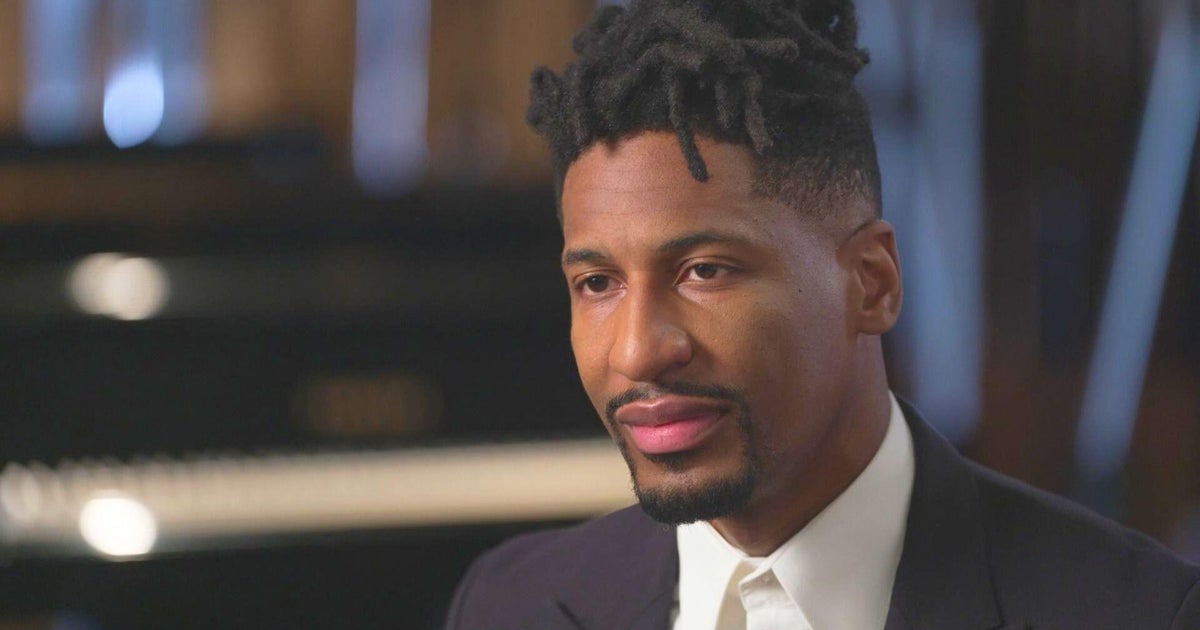
We have met a lot of musicians over the years, but few as original or as gifted as Jon Batiste.
asserted
We → meet → Batiste
He has big ideas and a bigger laugh.
asserted
He → have → ideas
You may know he was the bandleader on "The Late Show" with Stephen Colbert, but that was just one stop on his creative journey.
uncertain
that → know → journey
At 39, he's a virtuoso, who loves to play the child-like melodica.
asserted
who → love → melodica
He's intent on breaking down musical silos, blending Beethoven with blues, for example, to make something new.
asserted
He → break → something
Jazz, classical, folk, pop – really any sounds that fire his imagination – get woven into what he calls "social music."
asserted
he → fire → what
It draws from every era and every corner of the world with one central purpose: to bring people together.
asserted
It → draw → people
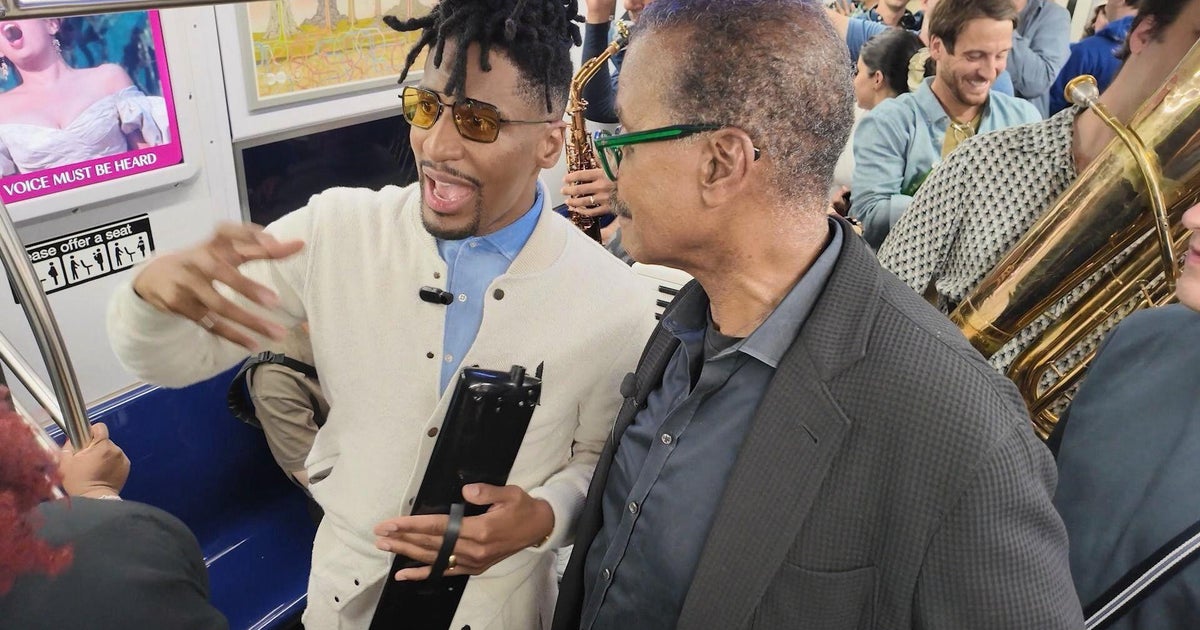
It's about 9:30 on a Tuesday night in Manhattan and music fills the air.
asserted
music → fill → air
After tuning up, Batiste led his merry band of musicians to their stage.
asserted
Batiste → tune → stage
So what would you call this, when everybody came together?
asserted
everybody → call → this
We called it a love riot.
asserted
We → call → it
A love riot--
Bill Whitaker: So you've got a love riot goin' on right now--
We followed them from station to platform…
asserted
We → get → platform
Bill Whitaker: And the train --
And platform to train, where revelry ensued.
asserted
revelry → ensue → train
For a few stops, an ordinary subway car became the happiest place in New York.
asserted
car → become → York
Yeah, that's what I was sayin'.
asserted
I → sayin → what
Batiste dreamed up love riots as a student at Juilliard, the famed performing arts school.
asserted
Batiste → dream → Juilliard
The subway became a testing ground for his vision of uniting people through music.
asserted
subway → become → music
That is the most fun I've ever had on a New York subway.
asserted
I → have → subway
You took this subway car that's usually a very somber, grim place, and turned it into a happy place.
asserted
that → take → place
I love seeing how different songs strike a chord with different people.
asserted
songs → see → people
And that's a beautiful thing, when you can bring somebody that kind of unexpected feeling of-- of belonging, feeling like they're not alone in the world.
asserted
they → bring → world
Now what- what does that do for you?
asserted
that → do → you
I just enjoy the idea of being this vessel that unites people, brings people together, against all odds.
asserted
that → enjoy → odds
Three or four songs–
We joined Jon Batiste at a temple to that faith: Electric Lady Studios in Greenwich Village.
asserted
We → join → Village
Jon Batiste: Let me get mine together.
A who's who of artists have passed through here:
asserted
who → let → artists
Batiste seemed to draw music from thin air.
asserted
Batiste → seem → air
None of this was written down or rehearsed – he's constantly improvising.
asserted
he → write → this
As his fingers fly over the keys, music takes human form.
asserted
music → fly → form
Its tension and joy flow through his body and play across his face.
asserted
tension → flow → face
At the keyboard he seemed lost in a trance.
asserted
he → seem → trance
Jon Batiste: You want to listen in here?
asserted
You → want → ?
We went to the control room.
asserted
We → go → room
Only listening to the playback, did he really hear what he had created…
Jon Batiste: Ahhh!
asserted
he → listen → what
You could tell from his laugh…
Jon Batiste:
uncertain
You → tell → laugh
He liked it…
asserted
He → like → it
That's the first time you actually hear it?
asserted
you → hear → it
Yeah, when I'm playin' it, I'm feelin' it.
asserted
I → playin → it
I want to stay in a certain flow and feeling.
asserted
I → want → flow
When Batiste talks about music …
Jon Batiste:
asserted
Batiste → talk → music
And you go back to the first hymn that they found in Syria or you know, you go to the-- the first drums or the cymbals in-- in Neolithic China or you go–
He seems to come from a different world.
asserted
He → go → world
…and 70 more, not listed.
 The Aporia