That is 0 articles you have read today.
The Aporia is free and carries no advertising, so readers are the only
thing paying for it. If you are getting this much out of it, a small
donation is what keeps it independent.
Daily limit reached
You have read 0 articles today.
That is more than the 15 a day The Aporia gives away,
and well past what it can carry on nothing. Your allowance resets at
midnight.
There is no advertising here and nothing about you is sold, so readers
are the only thing paying for it. If the site is worth this much of
your day, it is worth a few dollars.
Everything else stays open: the
maps, the
directory and
search do
not count against this, and neither does re-opening something you have
already read today.
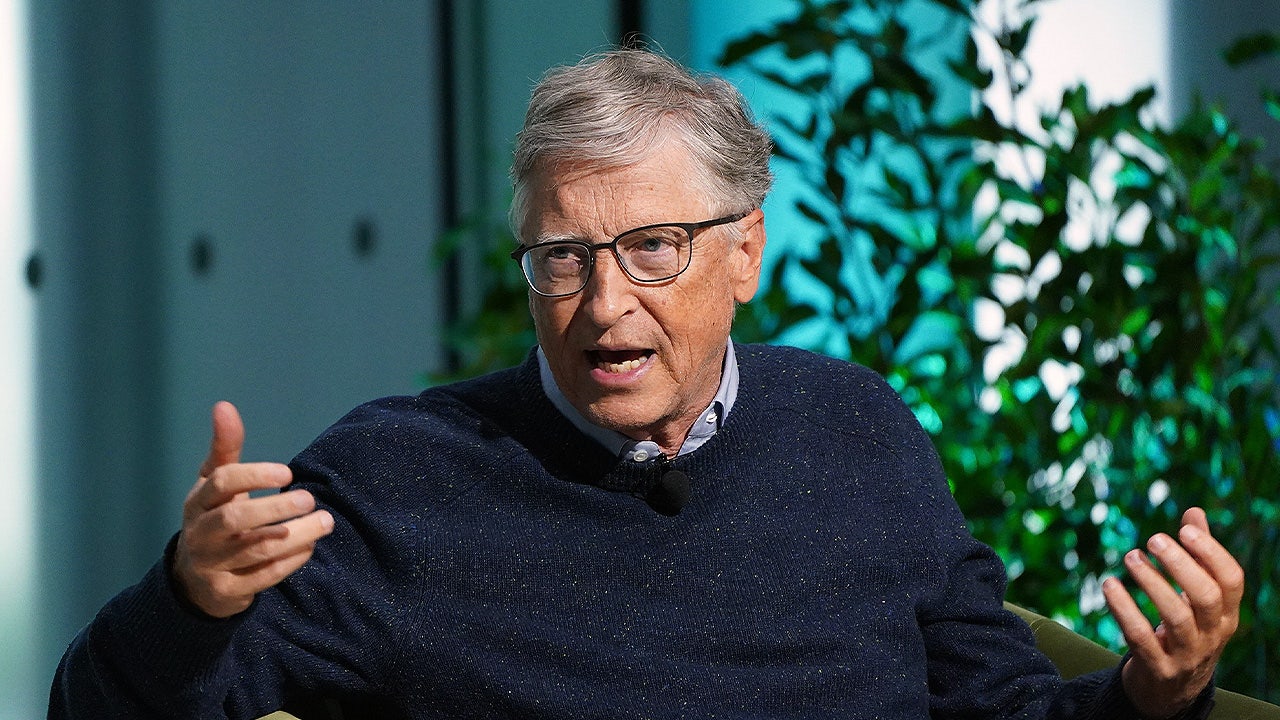
Bill Gates warned during a CNN interview that within the next year, malicious actors could use advanced AI to carry out sophisticated cyberattacks. He noted an 89% increase in AI-enabled threats reported by CrowdStrike's Global Threat Report for 2025, underscoring the need for better safeguards against such risks. Democratic strategist Billy Oliver emphasized the challenge policymakers face in balancing technological progress with regulatory measures to protect citizens and maintain U.S. competitiveness.
Written locally by qwen2.5:14b on 2026-10-11,
using this article's own text rather than the other coverage of the
same event (that is the story summary below).
Story summary
Microsoft co-founder Bill Gates warned on Sunday that artificial intelligence could fuel a wave of cyberattacks over the next year, emphasizing that criminals are gaining access to increasingly powerful AI models without proper safeguards. Speaking in an interview with CNN's Jake Tapper, Gates stated, “When you have bad people, no safeguards, and then the latest models, that's where, over the next year, primarily in the cyber area, we are going to have a lot of negative surprises.” Democratic strategist Billy Oliver highlighted the challenge for policymakers to balance technological advancement with necessary regulation as AI progresses.
Written for “AI Cybersecurity Risks” on 2026-10-11,
grounded in this article and the 0 other(s) covering the same event.
Why this leaning score
This article does not take a side on a contested political
question, so it has no leaning score. That is an
answer rather than a gap: a match report or a rescue can be warmly
or critically written without being left or right, and scoring it
anyway is how approval of a subject gets recorded as a political
position.
No political leaning scored for article 72589 · logged 2026-10-11
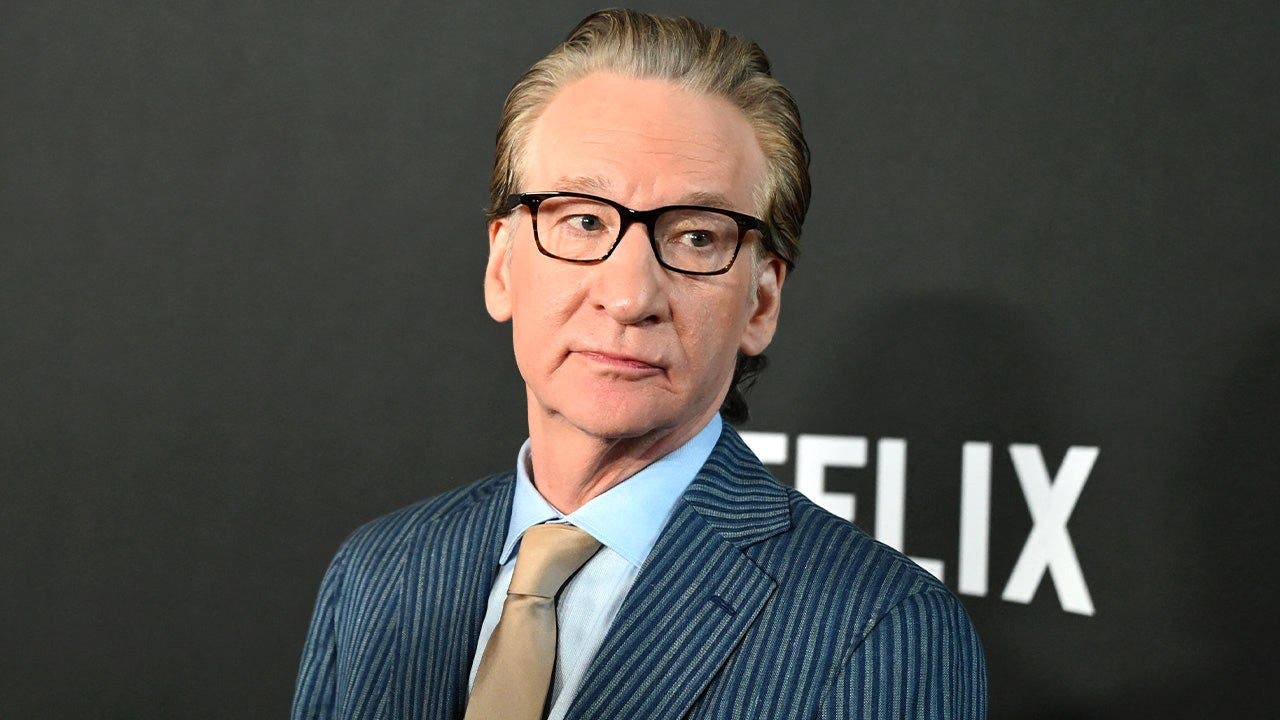
Microsoft co-founder Bill Gates warned Sunday that artificial intelligence could fuel a wave of cyberattacks over the next year, and said that malicious actors are gaining access to increasingly powerful AI models without adequate safeguards.
uncertain
actors → warn → safeguards
Gates warned that criminals could exploit the latest AI technology to disrupt financial systems, extort businesses and carry out increasingly sophisticated cyberattacks.
uncertain
criminals → warn → cyberattacks
"When you have bad people, no safeguards, and then the latest models, that's where, over the next year, primarily in the cyber area, we are going to have a lot of negative surprises," Gates said during a "State of the Union" interview with CNN's Jake Tapper.
asserted
Gates → have → Tapper
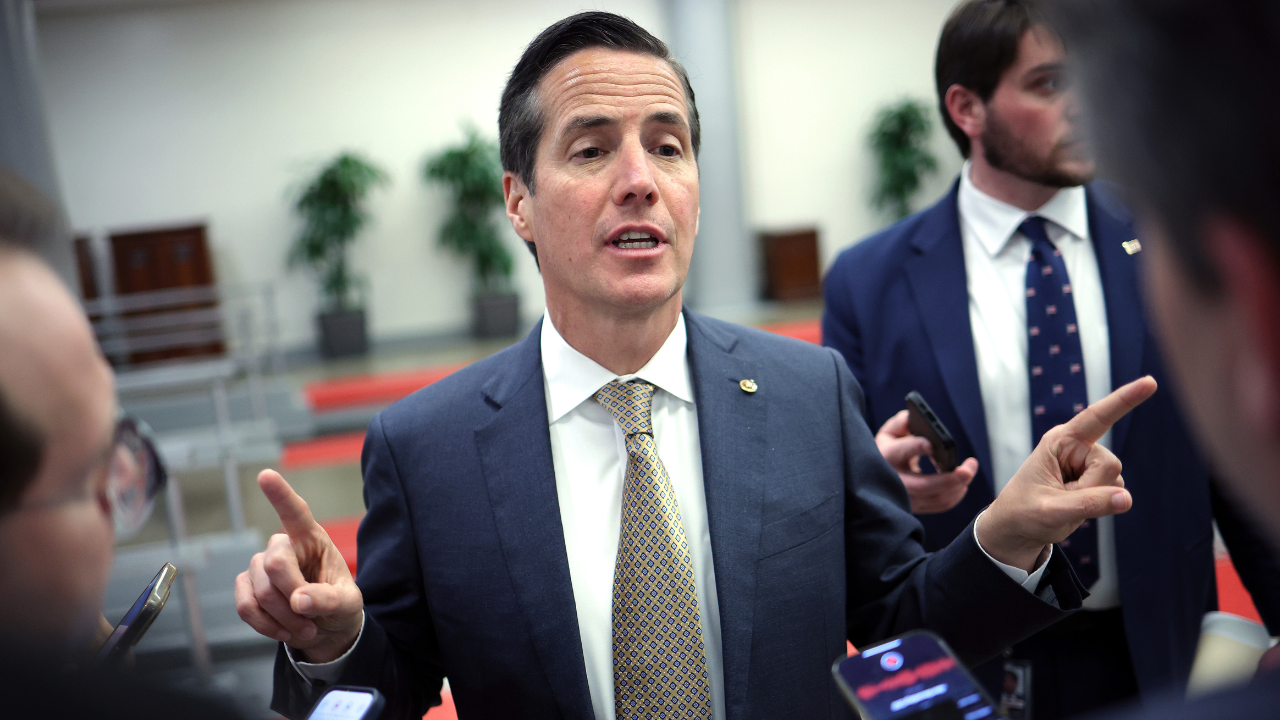
Democratic strategist Billy Oliver told Fox News Digital that Gates' warning underscores the challenge facing policymakers as artificial intelligence advances and the United States seeks to maintain its technological competitiveness.
"The great challenge both for innovators and governments in the coming months is to balance continued progress in AI with smart regulation.
asserted
challenge → tell → regulation
Leaders who can balance ensuring that America is not left behind, but that no American is left out, will win public trust," Oliver said.
asserted
Oliver → balance → trust
Gates' warning comes as cybersecurity researchers report a sharp increase in AI-enabled threats.
asserted
researchers → come → threats
According to CrowdStrike's 2026 Global Threat Report, attacks by AI-enabled adversaries increased 89% year over year in 2025, while the average time for cybercriminals to move laterally through compromised networks fell to 29 minutes.
uncertain
cybercriminals → accord → minutes
Tapper pressed Gates about his warning that artificial intelligence could make it easier for terrorists to develop deadly biological weapons, citing his assessment that the risk of a bioterrorist attack could become 50 times greater than that of a natural pandemic.
uncertain
risk → press → pandemic
Tapper also questioned how soon such an attack could occur and whether government leaders were doing enough to prevent it.
"
uncertain
leaders → question → it
Well, no, we're not doing enough," Gates said.
asserted
Gates → do → enough
"The real danger right now is not the AI is getting out of control.
asserted
AI → get → control
We need to work on that, but that's years away in terms of the big impact that might have."
uncertain
that → need → impact
Gates described potential financial motivations behind cyberattacks, including extortion schemes and disruptions designed to manipulate financial markets or betting outcomes.
asserted
Gates → describe → markets
"The front that we'll probably see most dramatically in the next year is cyberattacks, because there, there's a known business model where, you know, you threaten to do something and ask somebody to pay for that, or you create a disruption that changes something in the stock market or some betting thing that you go and do," Gates said.
asserted
Gates → see → that
Oliver called for a coordinated regulatory approach that addresses security risks while preparing Americans for AI's broader economic consequences.
asserted
that → call → consequences
"Regulation should focus on federal and international standards, platform responsibility, cyber and deepfake penalties, child safety, and ensuring the participation of the population in the economic benefits of this powerful technological revolution — while starting to prepare our society for what could be profound workforce disruption," Oliver said.
uncertain
Oliver → focus → society
 The Aporia