That is 0 articles you have read today.
The Aporia is free and carries no advertising, so readers are the only
thing paying for it. If you are getting this much out of it, a small
donation is what keeps it independent.
Daily limit reached
You have read 0 articles today.
That is more than the 15 a day The Aporia gives away,
and well past what it can carry on nothing. Your allowance resets at
midnight.
There is no advertising here and nothing about you is sold, so readers
are the only thing paying for it. If the site is worth this much of
your day, it is worth a few dollars.
Everything else stays open: the
maps, the
directory and
search do
not count against this, and neither does re-opening something you have
already read today.
A former FBI profiler, Mary Ellen O'Toole, suggests that evidence may be present at five outdoor crime scenes in Lansing where homeless individuals were found dead between October 2025 and September 2026. Authorities are investigating whether these deaths are connected, with one arrest made but no confirmed link to the other cases. O'Toole advises investigators to examine unsolved homicides both locally and in surrounding states to identify potential earlier crimes by a serial killer who might have been practicing his methods before becoming more proficient.
Written locally by qwen2.5:14b on 2026-10-11,
using this article's own text rather than the other coverage of the
same event (that is the story summary below).
Story summary
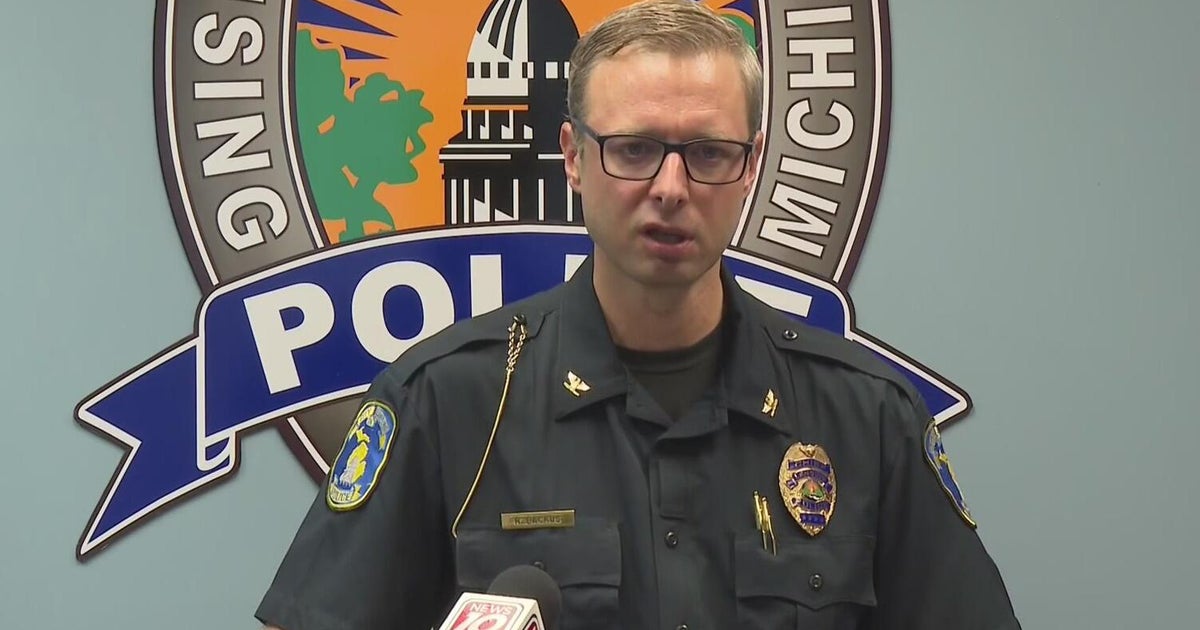
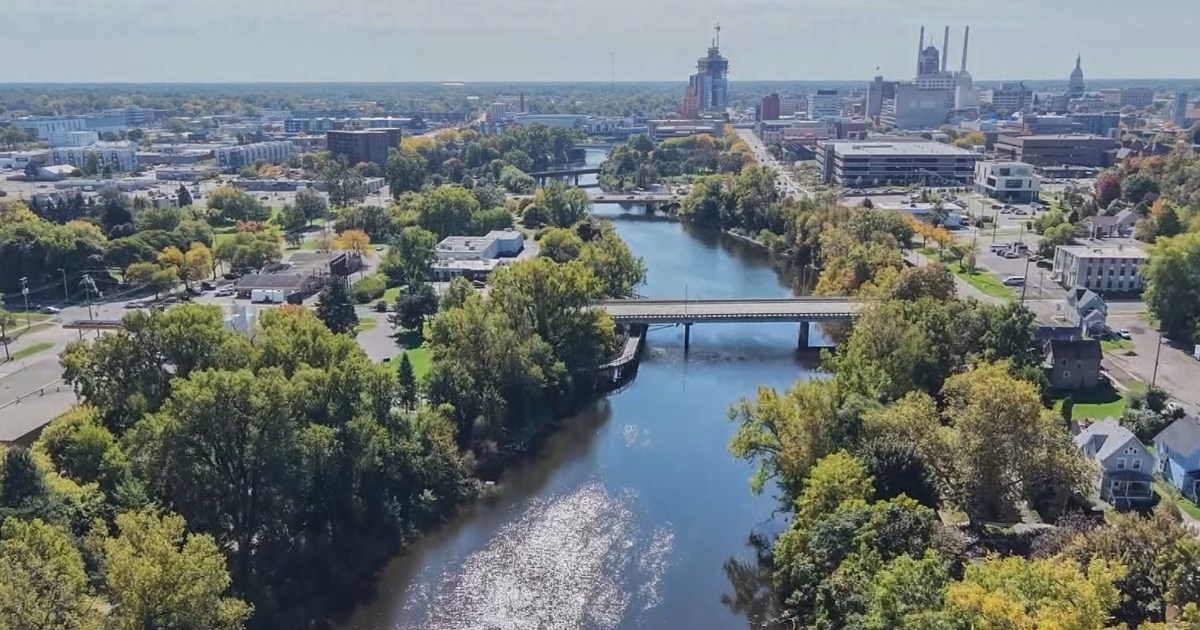
Lansing, Michigan's capital city, is investigating five recent deaths along the Lansing River Trail that may be connected, raising concerns of a possible serial killer. The victims were all homeless men aged between 22 and 70 found dead or critically injured over the past year, starting from October 14, 2025. Police Chief Robert Backus said officers are actively investigating whether these cases are related, noting that four out of five incidents involved "blunt force trauma to the facial area," though no weapon has been recovered yet. The victims were predominantly found during early morning hours in areas with limited surveillance, complicating investigations. Authorities have stepped up security measures near Michigan State University's campus due to safety concerns, highlighting vulnerabilities faced by homeless individuals who lack typical digital footprints used for tracking criminal activity.
Written for “Michigan Serial Killer Investigation” on 2026-10-11,
grounded in this article and the 6 other(s) covering the same event.
A former FBI profiler warns that a potential serial killer in Michigan may have left behind valuable forensic evidence at outdoor crime scenes as authorities investigate whether five deaths in Lansing are connected.
uncertain
deaths → warn → Lansing
Mary Ellen O'Toole told the "The Big Weekend Show" on Saturday that the killings posed risks for the offender because they occurred outdoors where the victims, all believed to have been homeless, were likely sleeping.
asserted
victims → tell → offender
"It's also very high risk for the offender because the offender comes in to an open area and kills these people — and these are probably not quick homicides — and then has to leave the area.
asserted
these → come → area
"
"And I can almost tell you for sure that this offender is not cleaning up his crime scenes," she added.
asserted
she → tell → scenes
"So he's probably leaving behind some very valuable evidence for investigators to analyze."
asserted
investigators → leave → evidence
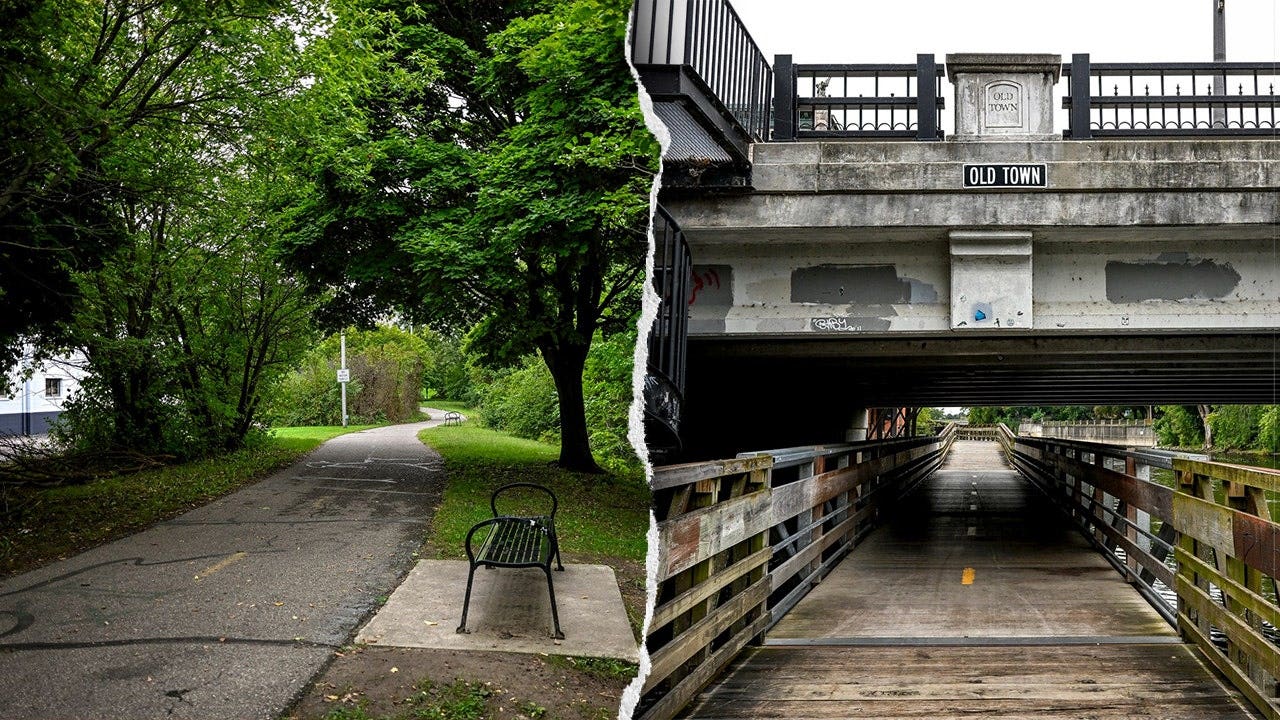
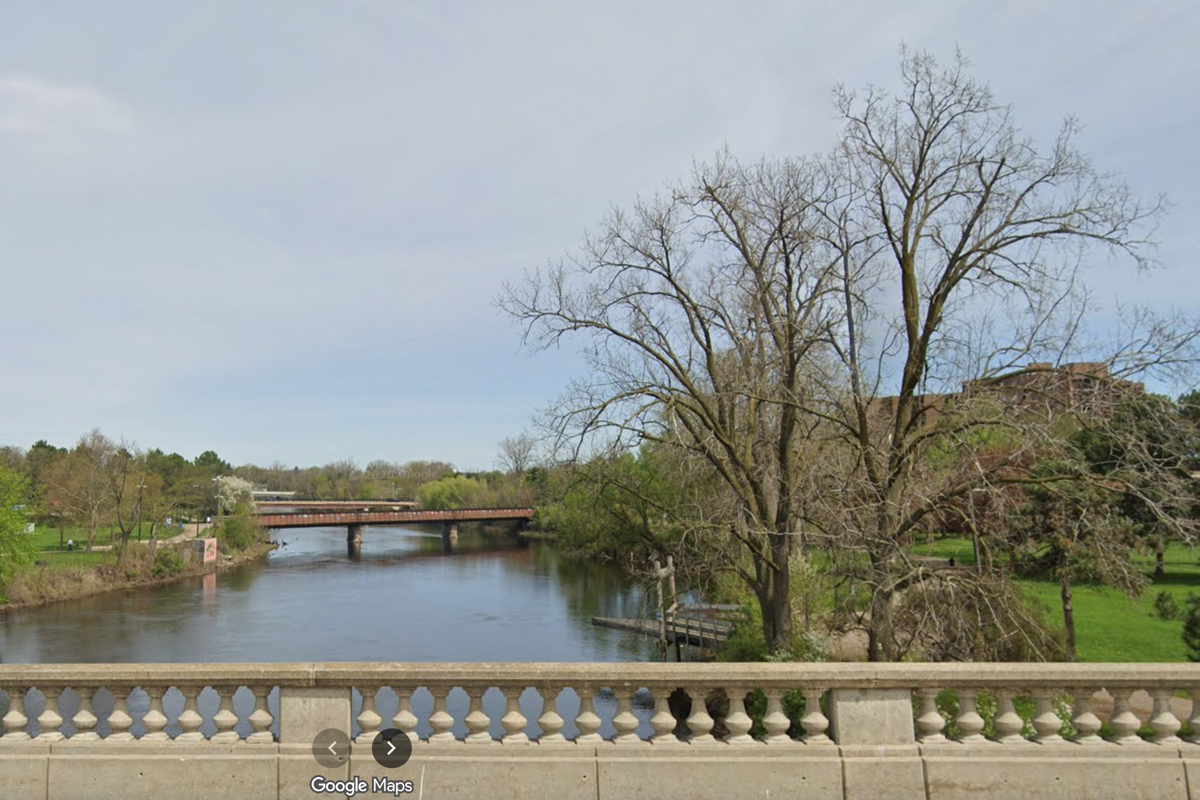
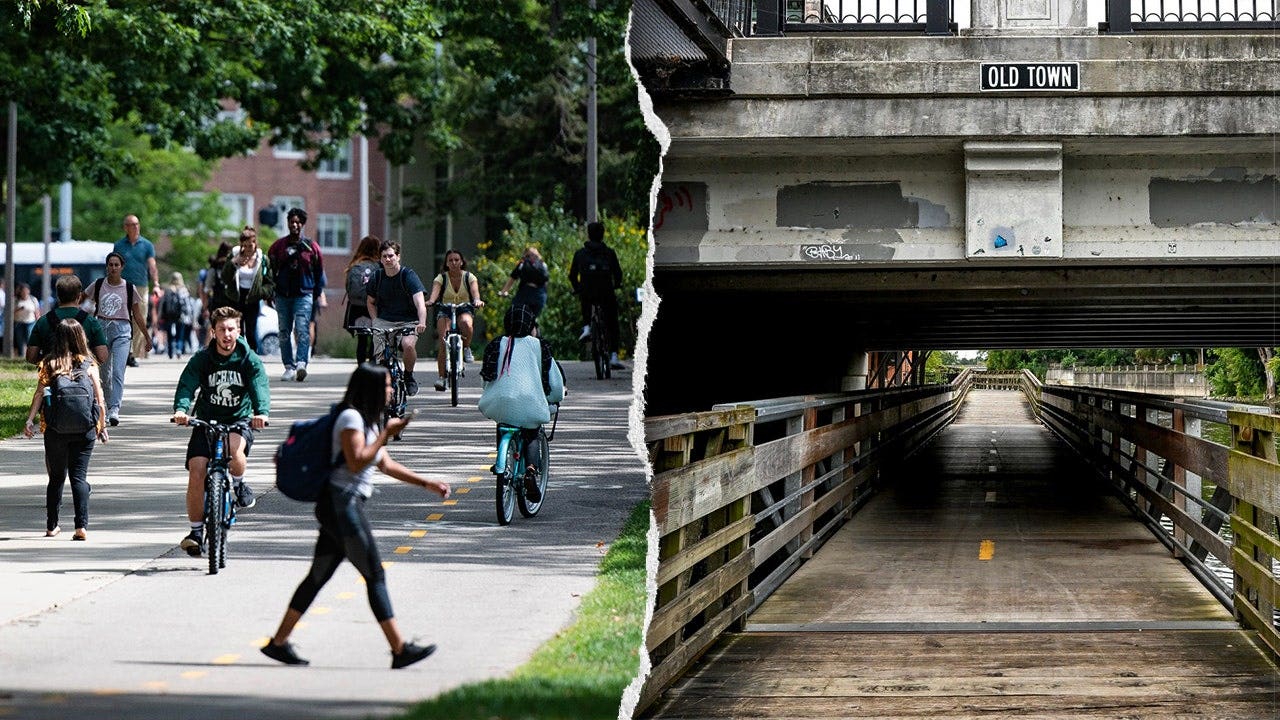
The five victims were discovered near the Lansing River Trail near Michigan State University.
asserted
victims → discover → University
The deaths occurred between October 2025 and September 2026.
asserted
deaths → occur → October
Police arrested a suspect in connection with the stabbing death of one man, but have not linked him to the other deaths.
asserted
Police → arrest → deaths
O'Toole said police have more work to do before determining whether the cases are related.
asserted
cases → say → work
That includes examining unsolved homicides in the surrounding area and potentially other states for evidence of earlier crimes by the same offender.
asserted
That → include → offender
"They'll look at other homicides both in Michigan and in the surrounding areas because we know from other cases serial killers can travel around, so they want to be able to understand the breadth and the extent of the damage that one person could do," she said.
uncertain
she → look → that
"And in that effort, they'll be looking at what we call practice murders.
asserted
we → look → what
These are the murders that a serial killer will engage in as they're becoming a lot better at their trade.
asserted
they → engage → trade
And those practice murders could have occurred in Michigan or in another state," she added.
uncertain
she → occur → state
 The Aporia