The Aporia
The Aporia
The Aporia

The Revolutionary Roots That Inspired Tupac Shakur. (2026, September 9). Mother Jones. https://www.motherjones.com/politics/2026/09/the-revolutionary-roots-that-inspired-tupac-shakur-2/
“The Revolutionary Roots That Inspired Tupac Shakur.” Mother Jones, 9 Sept. 2026, https://www.motherjones.com/politics/2026/09/the-revolutionary-roots-that-inspired-tupac-shakur-2/.
“The Revolutionary Roots That Inspired Tupac Shakur.” Mother Jones, September 9, 2026. https://www.motherjones.com/politics/2026/09/the-revolutionary-roots-that-inspired-tupac-shakur-2/.
Dated when The Aporia collected the article, usually within hours of publication. Check the original for its exact date and byline.
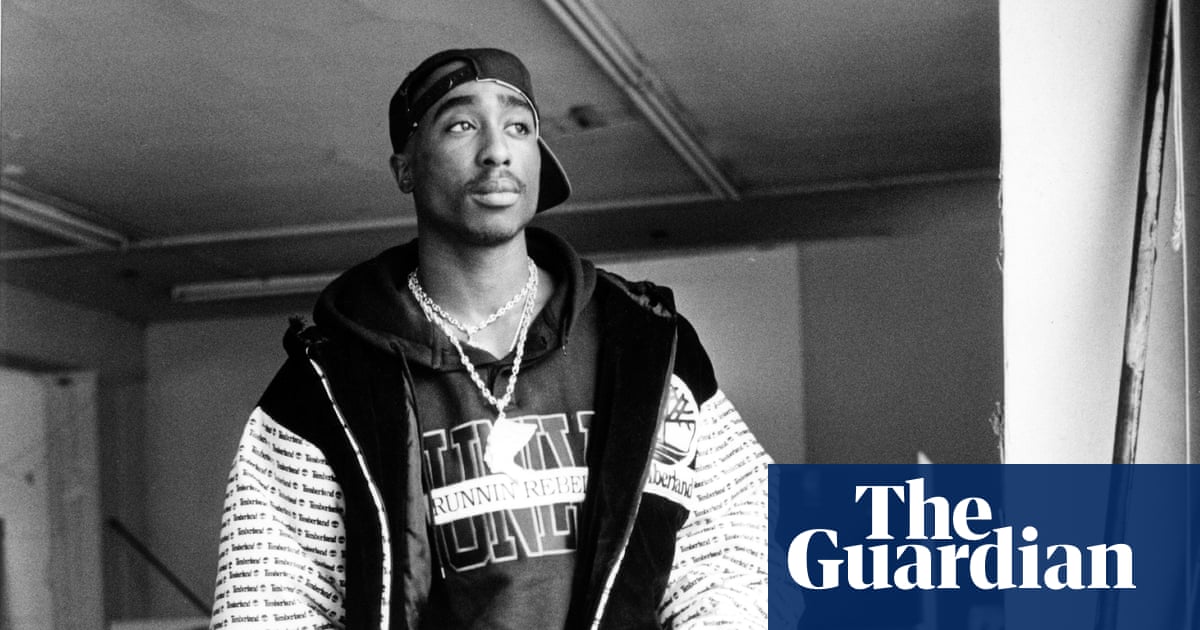
Duane "Keffe D" Davis, a 63-year-old former Compton gang leader, has been found guilty of murdering Tupac Shakur in 1996. A jury in Las Vegas delivered the verdict after just a few hours of deliberation, and Davis now faces a life sentence. Prosecutors presented evidence that Davis had orchestrated the killing as part of his gang's activities, with Duane "Keffe D" Davis himself admitting to investigators in 2008 that his nephew Orlando "Baby Lane" Anderson was the shooter. The murder took place on September 7, 1996, near the Las Vegas Strip, where Tupac Shakur was sitting in a car with Marion "Suge" Knight of Death Row Records.
The conviction is seen as a milestone in solving one of the most infamous unsolved murders in hip-hop history. However, it has also raised questions about why it took so long to bring justice to the case, and what this means for other unsolved murders, particularly those involving Black Americans.
In related news, attention is now turning to the murder of The Notorious B.I.G., who was killed in a drive-by shooting in Los Angeles on March 9, 1997. While the Tupac verdict does not directly help solve Biggie's murder, it puts renewed pressure on authorities to investigate this case as well.
The trial has also highlighted the systemic issues within law enforcement that contributed to the failure to solve the Tupac case, with a former Compton detective speaking out about the lack of cooperation from Las Vegas police and the "snitches get stitches" culture within gangs. The case has resonated deeply with many Black Americans, who have long been frustrated by the lack of resolution in high-profile cases involving Black victims.
Tupac Shakur's legacy continues to be celebrated, with his music and movies remaining widely popular today. However, his death at just 25 years old sparked conspiracy theories and left fans wondering what might have been.