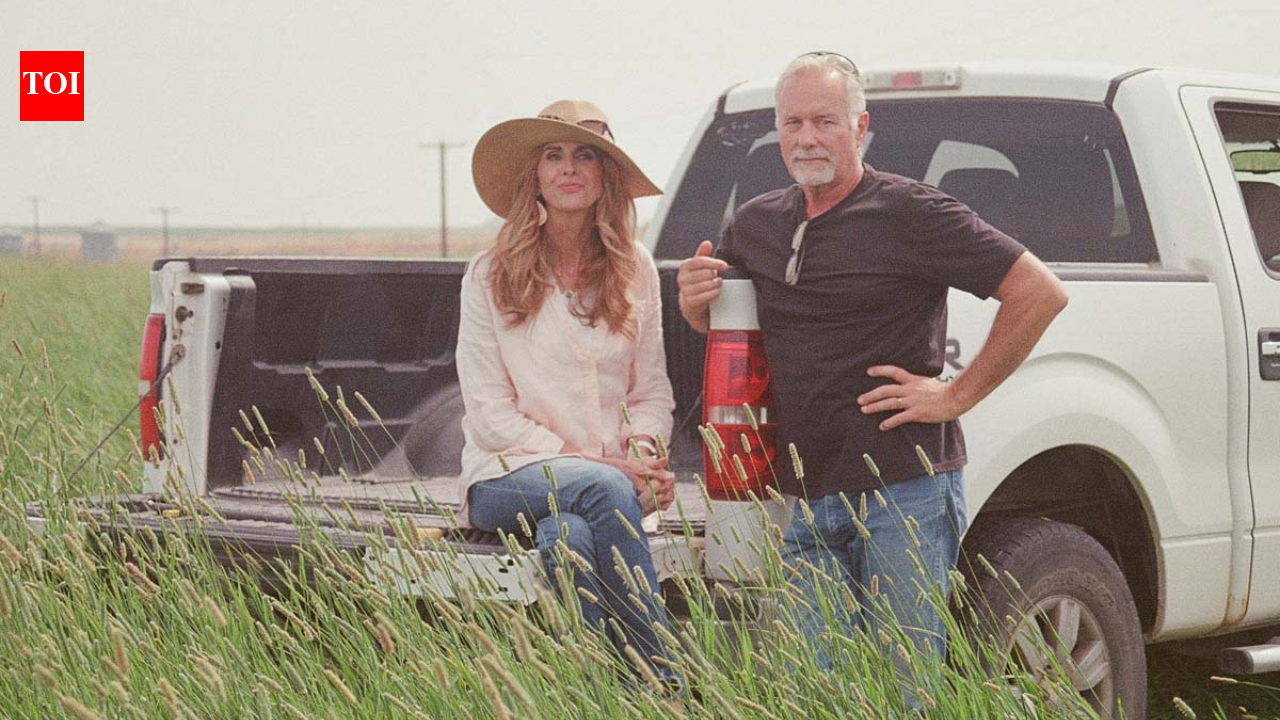
A Washington farmer who returned to his family’s farm in 1984 is challenging a long-running dispute with the state Department of Ecology after penalties over irrigation threatened the future of his agricultural business.
asserted
penalties → return → business
Ron Fodé and his wife, Robin, say the agency refused to help them find a lawful way to irrigate their crops before imposing penalties that originally totalled $618,000.
asserted
that → say → 618,000
The case has reached the Washington Supreme Court, which heard arguments on October 1, 2026.
asserted
which → reach → October
At its centre is a question about whether the state agency followed a law requiring it to provide technical assistance to water users before moving to penalties.
asserted
agency → follow → penalties
As reported by The Spokesman-Review, Ron and Robin Fodé wrote that the dispute had nearly destroyed their business.
asserted
dispute → report → business
The couple said they once farmed 4,000 acres of owned and leased land but now lease just 290 acres.
asserted
they → say → acres
According to the Pacific Legal Foundation, the public-interest legal organisation representing Ron Fodé, the case also raises questions about whether government agencies can enforce unpublished internal policies that affect people’s legal rights.
uncertain
that → accord → rights
How the dispute began
Ron Fodé grew up on the family farm in Grant County, Washington.
asserted
Fodé → begin → County
He took over its operations in 1984 when his father began experiencing health problems.
asserted
father → take → problems
He and Robin raised their four children on the farm, which grew to cover about 4,000 acres at its peak.
asserted
which → raise → peak
The dispute began in 2017, when Fodé needed sufficient water rights to irrigate farmland he owned and leased, including fields used to grow potatoes.
asserted
he → begin → potatoes
Under Washington law, farmers generally need legal water rights to withdraw groundwater for irrigation.
asserted
farmers → need → irrigation
State law also allows water users to apply for seasonal transfers, which can temporarily shift water rights from one property to another.
asserted
which → allow → another
According to the Washington Court of Appeals’ 2022 ruling, Fodé applied for a seasonal change in January 2017.
uncertain
Fodé → accord → January
On February 14, a state watermaster told him that his request had been denied and that he should not irrigate the affected parcels.
asserted
he → tell → parcels
Fodé maintained that other water-transfer options were available and that he wanted to find a lawful way to continue watering his crops.
asserted
he → maintain → crops
However, according to The Spokesman-Review, the Department of Ecology refused to accept another application because he had missed an internal February 15 deadline.
uncertain
he → accord → deadline
Fodé and his wife said the deadline had not been adopted through a public rulemaking process and that the agency had not given them access to a permitting process that could have helped them comply with the law.
uncertain
them → say → law
The Department of Ecology subsequently issued cease-and-desist orders directing Fodé and the landowners from whom he leased farmland to stop irrigating without adequate water rights.
asserted
he → issue → rights
Why the penalties reached $618,000
The case has reached the Washington Supreme Court, which heard arguments on October 1, 2026.
asserted
which → reach → October
Fodé continued irrigating during the 2017 growing season.
asserted
Fodé → continue → season
The Department of Ecology later issued penalties covering 103 days of irrigation.
asserted
Department → issue → irrigation
According to the Washington Court of Appeals’ ruling, the original penalties comprised $206,000 for irrigation on land Fodé owned, $103,000 for a 65-acre property and $309,000 for 335 acres leased from another landowner.
uncertain
Fodé → accord → landowner
The combined amount was $618,000.
asserted
amount → combine → ?
The penalties were initially issued jointly to Fodé and his landlords, but the agency later withdrew the penalties against the landlords, leaving Fodé solely liable for the amounts imposed on the three parcels.
asserted
agency → issue → parcels
Fodé did not dispute that he lacked adequate water rights for the disputed irrigation.
asserted
he → dispute → irrigation
Instead, he argued that the penalties were invalid because the agency had failed to provide the technical assistance required by state law before imposing them.
asserted
agency → argue → them
In June 2019, the Pollution Control Hearings Board upheld some of the penalties but reduced the total from $618,000 to $260,000.
asserted
Board → uphold → 260,000
The dispute continued through further legal proceedings.
asserted
dispute → continue → proceedings
What the farmer says the state should have done
Washington law requires the Department of Ecology to provide technical assistance to help water users identify lawful ways to comply, where applicable, before proceeding with enforcement.
asserted
users → say → enforcement
In their guest opinion in The Spokesman-Review, Ron and Robin Fodé argued that the agency had failed to meet that obligation.
asserted
agency → argue → obligation
They wrote that lawmakers had recognised the complexity of the state’s water regulations and had passed a law in 2002 requiring the agency to provide technical assistance before imposing penalties.
asserted
lawmakers → write → penalties
According to the couple, the agency should have helped them identify a lawful water-transfer option rather than rejecting their application because of an internal deadline.
uncertain
them → accord → deadline
Their opinion also quoted a regional water resources programme manager at the Department of Ecology as saying, “That’s just something we didn’t do,” when asked why the agency had not provided the assistance they said the law required.
asserted
law → quote → assistance
The Fodés argue that the February 15 deadline effectively blocked them from applying for a seasonal transfer, even though it had not been formally adopted through a public process.
asserted
it → argue → process
They say the case is therefore about more than the penalties against their farm: it concerns whether agencies can impose rules affecting the public without following the required legal procedures.
asserted
agencies → say → procedures
The Department of Ecology’s position and the legal questions must be assessed through the court proceedings; the couple’s guest opinion presents their account of the dispute.
asserted
opinion → assess → dispute
What the courts have ruled so far
asserted
ruled → rule → What
The Washington Court of Appeals addressed part of the dispute in a ruling dated May 12, 2022.
uncertain
Court → address → ruling
It held that Fodé’s appeals against the cease-and-desist orders were timely under the relevant statutory definition of when an agency decision is received.
asserted
decision → hold → definition
…and 12 more, not listed.
 The Aporia