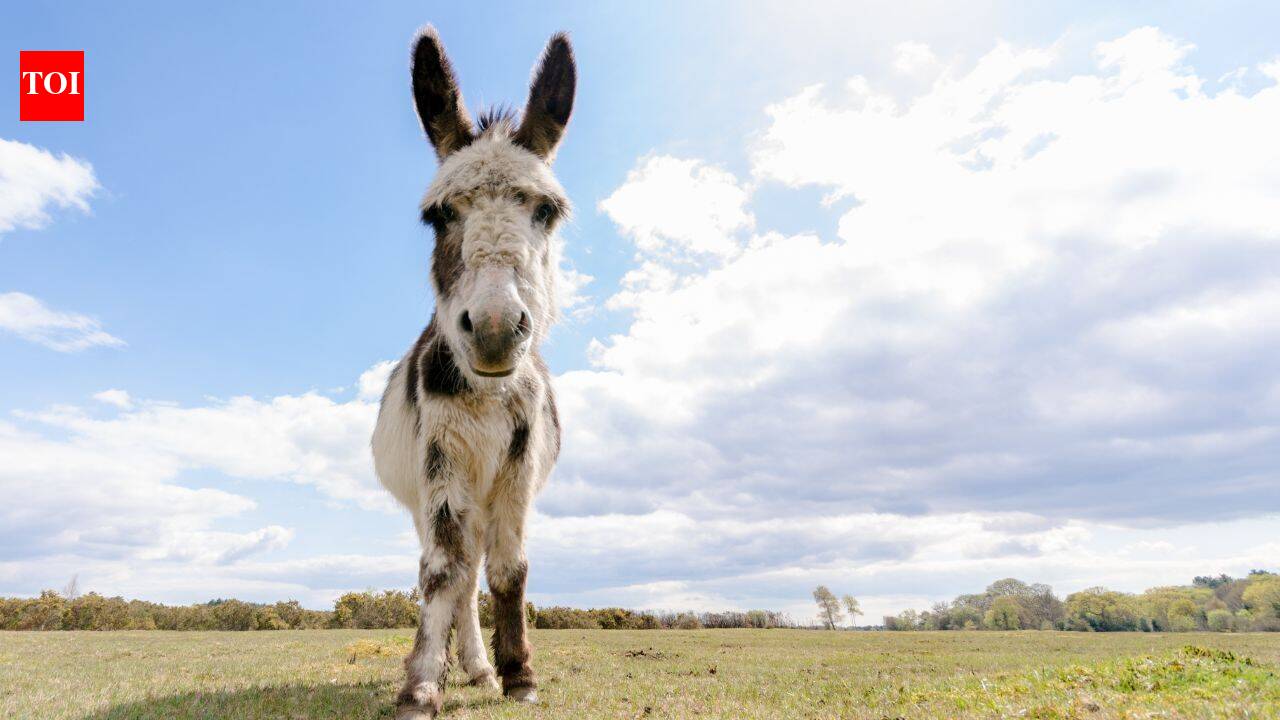
When summer heat dries up streams in the Sonoran Desert, wild horses and donkeys can do something unexpected: dig for water.
asserted
horses → dry → water
Researchers began tracking these animal-made wells in 2015, mapping their water supply across four Arizona sites over three summers.
asserted
Researchers → begin → summers
By 2018, they had found that the wells could provide up to 74% of the surface water available at one site.
uncertain
wells → find → site
Cameras also recorded 57 vertebrate species, from songbirds to mountain lions, visiting wells across the Sonoran and Mojave deserts.
asserted
Cameras → record → deserts
The findings, reported by Science News and Arizona State University, add a surprising dimension to the debate over animals often labelled invasive: in some places, their digging may help other species through dry spells, even as the broader impacts of horses and donkeys remain complex.
uncertain
impacts → report → horses
Digging for water
The study began with an observation by ecologist Erick Lundgren.
asserted
study → dig → Lundgren
In 2014, he saw wild donkeys digging into dry ground and wondered whether the holes they made could offer water to more than just the animals that excavated them.
uncertain
that → see → them
To investigate, Lundgren and colleagues mapped the surface area of water in equid wells and groundwater-fed streams at four sites in Arizona’s Sonoran Desert.
asserted
Lundgren → investigate → Desert
They conducted the work over three summers, from 2015 to 2018, when water conditions shifted with heat and rainfall.
asserted
conditions → conduct → heat
The results showed that the wells could make a meaningful difference to water availability.
uncertain
wells → show → availability
At one site, they became the only drinking-water source after a stream dried up.
asserted
stream → become → site
At another, they supplied as much as 74% of the available surface water, according to Science News’ report on the research.
uncertain
they → supply → research
The holes also brought water sources closer together.
asserted
holes → bring → sources
On average, they reduced the distance between accessible water by 843 metres.
asserted
they → reduce → metres
That could matter in a landscape where animals must travel farther as streams and other sources shrink, and where competition can intensify around a few remaining water spots.
uncertain
competition → matter → spots
The reports further suggested that once the wells were dug, other animals began using them.
uncertain
animals → suggest → them
Researchers placed camera traps at five sites in the Sonoran and Mojave deserts, recording activity at wells, riverbanks and dry locations.
asserted
Researchers → place → wells
Across the sites, they documented 57 vertebrate species drinking from the wells.
asserted
they → document → wells
The visitors ranged widely in size and behaviour.
asserted
visitors → range → size
Migratory songbirds and mule deer appeared on camera, as did larger animals such as mountain lions.
asserted
animals → appear → lions
Researchers even recorded a black bear drinking from one of the wells.
asserted
Researchers → record → wells
The number of species recorded at wells was about the same as at streams, and 64% higher than at dry spots.
asserted
number → record → spots
That comparison suggests the animal-dug holes were doing more than holding a little water for the equids themselves.
uncertain
holes → suggest → equids
When natural surface water was scarce, the wells could become busy gathering points for wildlife.
uncertain
wells → become → wildlife
Lundgren told Science News that he sometimes drank from the wells himself, describing the water as cool and cleaner than some other sources.
asserted
he → tell → sources
The study was not a recommendation for people to drink untreated desert water, but his observation reflected how groundwater reaching the wells could differ from stagnant or exposed water elsewhere.
uncertain
groundwater → drink → water
More than a water source
The benefits may extend beyond animals looking for a drink.
uncertain
benefits → extend → drink
Researchers also found that abandoned wells could create favourable conditions for cottonwood seedlings, which need moist, open ground to grow.
uncertain
which → find → ground
Cottonwoods often struggle to establish themselves in crowded riverbanks, where vegetation competes for water and space.
asserted
vegetation → struggle → water
Floods can create bare areas where seedlings take root, but where dams reduce flooding, those opportunities may be less frequent.
uncertain
opportunities → create → flooding
At one study site, cottonwood seedlings grew in equid-dug holes, with some surviving the summer and reaching as much as two metres tall.
asserted
some → grow → summer
This finding suggests that a well can influence the landscape even after the animal that dug it has moved on.
uncertain
that → suggest → it
By bringing moisture to a patch of open ground, the hole may give young trees a chance to survive.
uncertain
hole → bring → chance
Those seedlings could eventually become part of the vegetation along desert waterways.
uncertain
seedlings → become → waterways
Arizona State University’s account of the research also described the animals as ecosystem engineers.
asserted
account → describe → engineers
The phrase refers to species that change their surroundings in ways that affect other organisms.
asserted
that → refer → organisms
Beavers are a familiar example because their dams alter water flow and create habitat.
asserted
dams → alter → habitat
The equids’ effects are less dramatic, but their wells may also shape access to resources in dry country.
uncertain
wells → shape → country
A complicated picture
The findings do not mean wild horses and donkeys are harmless, or that their wells benefit every ecosystem.
asserted
wells → mean → ecosystem
Horses and donkeys were introduced to North America, and researchers have documented ways they can damage dryland environments.
asserted
they → introduce → environments
…and 16 more, not listed.
 The Aporia