Hamam al-Hammami, a co-pilot from Flydubai accused of attempting to hijack and crash an Israel-bound flight on September 30, reportedly became radicalized while studying in Melbourne around 2017, according to UAE Attorney-General Hamad Saif al Shamsi. Al-Hammami allegedly attended a mosque affiliated with the Royal Melbourne Institute of Technology and was influenced by extremist literature and online content promoting terrorism. He prepared himself psychologically and physically for the attack by exposing himself to terrorist material and training in boxing.
Written locally by qwen2.5:14b on 2026-10-11,
using this article's own text rather than the other coverage of the
same event (that is the story summary below).
Story summary
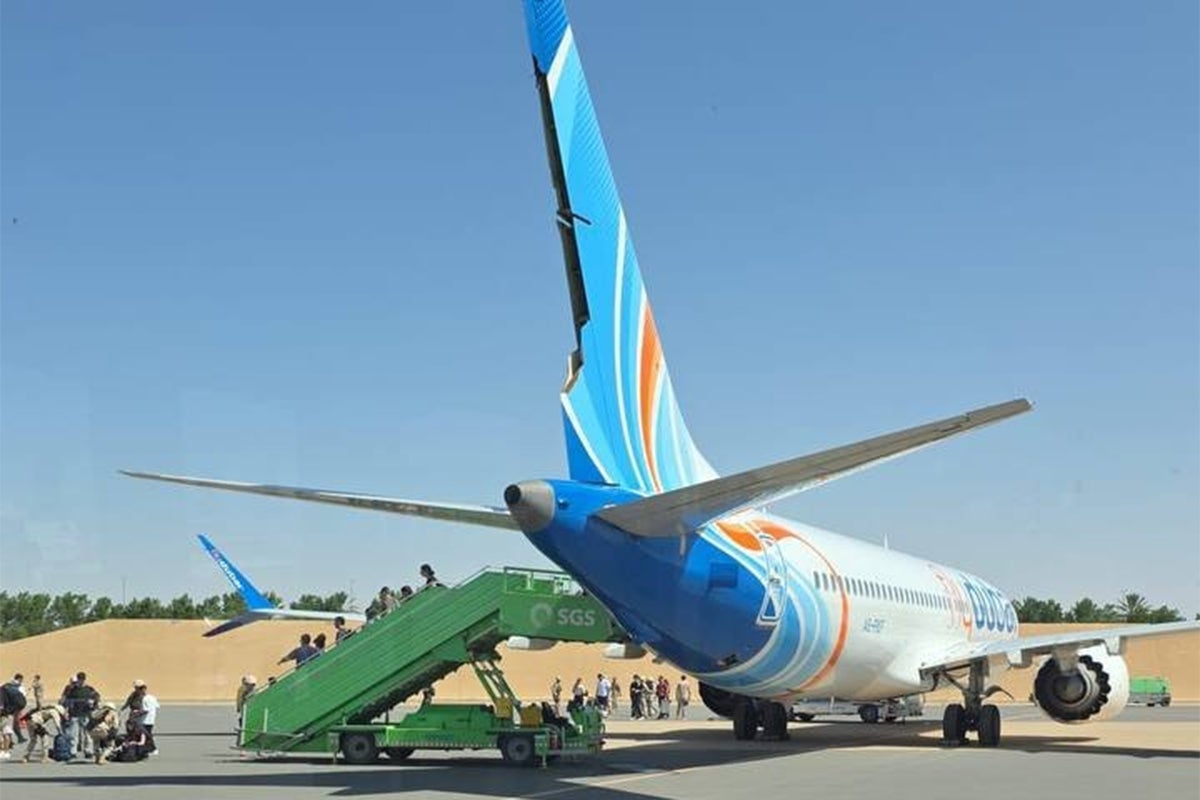
On September 30, 2026, a Flydubai flight (Flight FZ1073) from Dubai to Tel Aviv signaled an emergency over Jordanian airspace and was subsequently diverted to land in Tabuk, Saudi Arabia. The Israeli Prime Minister, Benjamin Netanyahu, held consultations as the situation prompted fears of potential hijacking; Israel's Air Force scrambled fighter jets as a precautionary measure.
Israeli officials confirmed that the incident did not involve a hijacking but rather stemmed from a physical altercation between the plane’s two pilots shortly after takeoff. The flight carried approximately 150 passengers, mostly Israeli citizens, and was expected to land safely in Saudi Arabia without further complications.
While initial reports suggested potential security threats, subsequent investigations indicated that the emergency signals were likely due to technical issues or accidental transmission during the cockpit fight, alleviating immediate concerns over a hijacking. The incident underscores the complex geopolitical dynamics between Israel, Saudi Arabia, and other Middle Eastern nations regarding air travel safety protocols.
Written for “Israel Bound Flight Diverts Due to Pi…” on 2026-10-11,
grounded in this article and the 348 other(s) covering the same event.
Why this leaning score
The model judged this article politically coded and scored it -0.35, but none of the 2 quote(s) it offered could be found in the article text, so the score is not published.
Written under an earlier scoring contract, which gave a paragraph
rather than checkable quotes. Re-analysing this article replaces it.
Leaning score withheld for article 71662: no verified evidence · logged 2026-10-11
The co-pilot accused of attempting to hijack and crash an Israel-bound passenger jet began drifting towards extremism while studying in Melbourne almost a decade ago, according to the United Arab Emirates’ top prosecutor.
uncertain
pilot → accuse → prosecutor
Hamam al-Hammami had given a 'detailed confession' following his arrest over the September 30 terror plot, UAE Attorney-General Hamad Saif al Shamsi said in a statement.
asserted
Shamsi → give → statement
Al Shamsi said that during al-Hammami's time in Melbourne he became acquainted with individuals linked to an Islamic centre.
asserted
he → say → centre
'The findings indicated that signs of his drift towards extremism and terrorism first emerged in 2017, while he was studying in Australia,' Al Shamsi said.
asserted
Shamsi → indicate → Australia
During that period, he was influenced by Takfiri ideology through reading extremist literature and following online content glorifying terrorist organisations and suicide attacks.
asserted
he → influence → organisations
This influence subsequently developed into the adoption of ideas advocating violence and terrorism.
asserted
influence → develop → violence
He also drew inspiration from the 11 September 2001 attacks, and the idea of carrying out a similar operation using an aircraft became firmly established in his thinking.
asserted
idea → draw → thinking
'
Takfir is the act of one Muslim declaring another a non-believer, an extremist doctrine sometimes used as a justification for violence.
asserted
another → declare → violence
Hamam al-Hammami (pictured) began drifting towards extremism while studying in Melbourne almost a decade ago, according to a top United Arab Emirates prosecutor
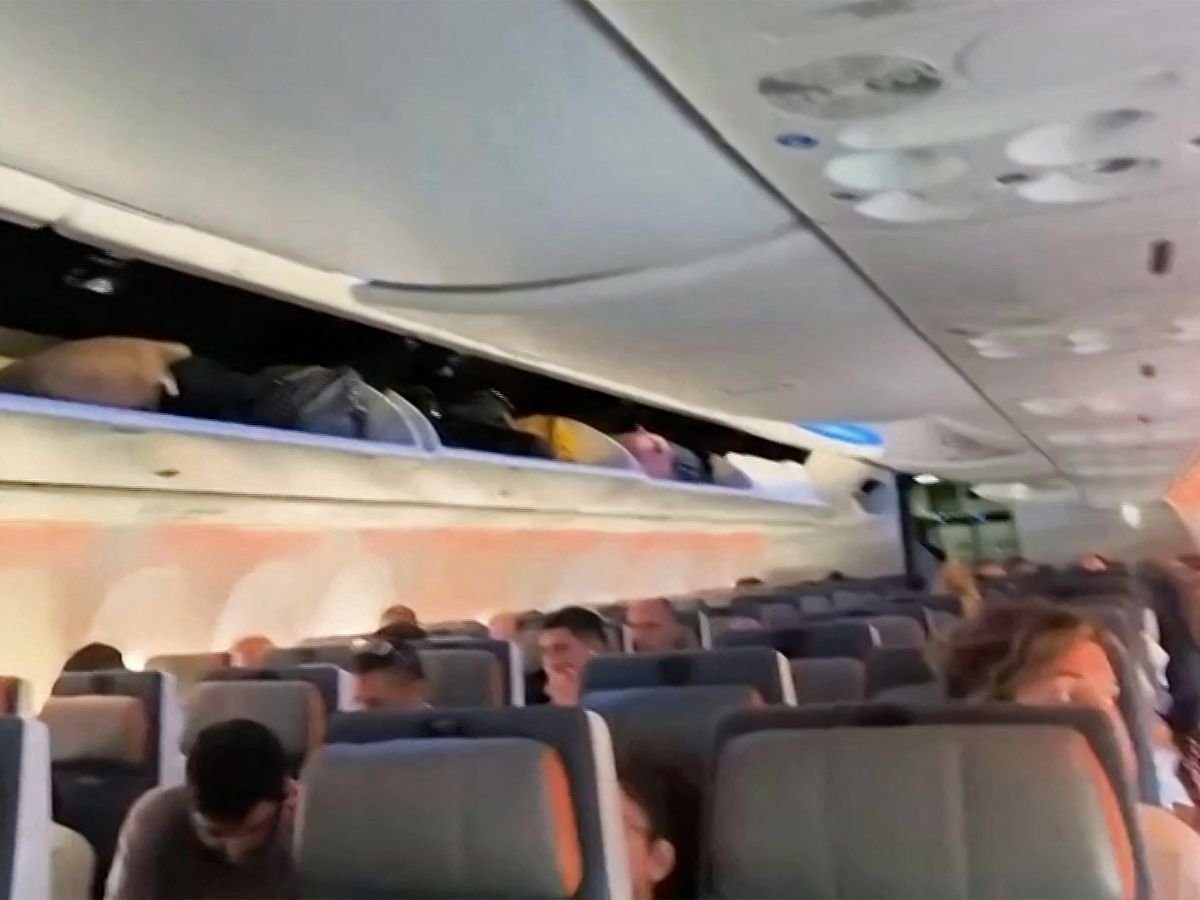
Footage filmed by passengers shows wounded captain Smit Machchhar lying on the floor as others tend to him
The Emirates News Agency reported al-Hammami admitted regularly attending a mosque affiliated with the Royal Melbourne Institute of Technology.
'Through these visits, he became acquainted with individuals associated with a centre known as "My Centre",' the agency stated on Saturday.
uncertain
agency → picture → Saturday
'He also said that he had prepared himself both psychologically and physically to carry out the plot by intensifying his exposure to material promoting terrorism and training in boxing under a private coach.'
asserted
he → say → coach
Daily Mail has contacted My Centre for comment.
asserted
Mail → contact → comment
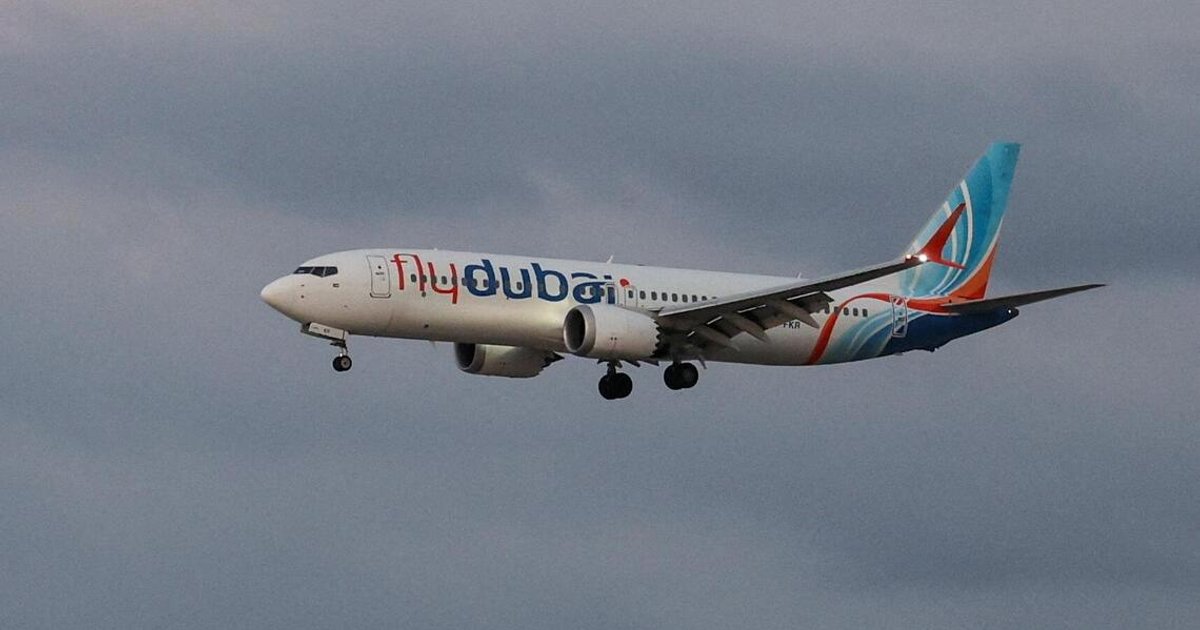
Al-Hammami had allegedly planned to crash Flydubai flight 1073 into a terminal at Israel's Ben Gurion Airport
He allegedly wounded captain Smit Machchhar using an onboard crash axe as he tried to take control of the plane on its way to Tel Aviv.
Passengers and crew grappled with the Omani national to regain control of the aircraft, which plummeted 14,000ft in just 29 seconds.
Mr Machchhar was praised for saving the lives of those 172 passengers on board.
uncertain
Machchhar → plan → board
While cruising mid-air, the hero was able to fight off his co-pilot in the cockpit and his attempts to sabotage the plane's systems.
asserted
hero → cruise → systems
Al-Hammami (above) used the cockpit's crash axe in his attempt to take control of the Flydubai plane
Distressing footage showed Mr Machchhar lying on the ground covered in blood as passengers tended to his injuries, while another pilot appeared to be lying nearby, seemingly unconscious.
asserted
pilot → use → injuries
Passengers can be heard telling one of the men: 'You saved the plane.'
asserted
You → hear → plane
Al Shamsi said investigations had revealed al-Hammami used two previous flights to Tel Aviv to 'familiarise himself with the flight route and the airport'.
asserted
Hammami → say → route
The alleged hijacker attempted to take control of the plane 'with the intention of causing the greatest possible number of human casualties'.
asserted
hijacker → attempt → casualties
Al-Hammami 'admitted that he had acted alone, without the involvement of others,' Al Shamsi said, adding he 'provided a detailed confession outlining his motives and the stages of planning and execution' in the presence of his lawyer.
asserted
he → admit → lawyer
Investigators examined Flydubai's recruiting procedures and found al-Hammami had met all professional and security requirements, including holding a pilot's licence and providing a certificate of good conduct.
asserted
Hammami → examine → conduct
'However, none of the procedures revealed any indications of his extremist views or his intention to carry out a terrorist plot,' Al Shamsi said.
asserted
Shamsi → reveal → plot
Al Shamsi said the suspect had told investigators he had prepared psychologically and physically for the attack by viewing material promoting terrorism and taking boxing lessons.
asserted
he → say → lessons
The co-pilot had previously worked with Oman's national airline as a trainee in 2024 but was removed from flying because of concerns that he may have been influenced by radical groups.
uncertain
he → work → groups
He was then moved to an administrative job at Oman Air.
asserted
He → move → Air
Al Hammami was later hired by UAE-based airline Flydubai in January this year, but it was not immediately clear to what extent the co-pilot was vetted.
asserted
pilot → hire → January
Royal Air Maroc confirmed that Al Hammami had undergone three months' training with the airline in 2025, but his application to work there afterwards was rejected.
asserted
application → confirm → 2025
Al Hammami was born in the UAE, and his mother is Syrian.
asserted
mother → bear → UAE
He obtained Omani nationality from his father.
asserted
He → obtain → father
 The Aporia