Trust in science falls as Covid-era confidence fades, global survey finds

Read the original at The Straits Times ↗
The Straits Times · collected 2026-10-11 · by The Straits Times

Quick Summary

A global survey conducted by Wellcome, Gallup, and Ipsos shows that public trust in science has declined since the peak of the pandemic. In 2025, 72% of people expressed at least some trust in science, down from 80% in 2020 and 77% in 2018. The survey also found a significant drop in strong trust among those experiencing financial hardship, with only 20% reporting high levels of trust compared to 39% for those living comfortably. This decline is linked to the politicization of science during the pandemic and growing economic inequality across countries surveyed.
Written locally by qwen2.5:14b on 2026-10-11, using this article's own text rather than the other coverage of the same event (that is the story summary below).

AI analysis runs on qwen2.5:14b, locally

Story summary

Trust in science has declined globally since the peak of the pandemic, with only 72% of people expressing at least some trust in 2025 compared to 80% in 2020. The Wellcome Global Monitor, which surveyed over 140,000 adults worldwide, found that strong trust in scientists has dropped below pre-pandemic levels. This decline is particularly steep among financially struggling individuals and could have serious implications for public health, given the resurgence of preventable diseases like measles. In 2025, the US experienced its worst measles outbreak since the early 1990s with nearly 3,900 cases, while childhood vaccination rates dropped in many communities below levels needed to prevent outbreaks. John-Arne Røttingen, CEO of Wellcome (a London-based health research foundation), suggested that the politicization of science during the pandemic likely contributed to this decrease in trust.

Written for “Science Trust Decline” on 2026-10-11, grounded in this article and the 0 other(s) covering the same event.
Why this leaning score
The model judged this article politically coded and scored it -0.35, but all 3 of its quote(s) are attributed speech - words the article quotes from someone, not the article's own narration, so the score is not published.
Written under an earlier scoring contract, which gave a paragraph rather than checkable quotes. Re-analysing this article replaces it.
Leaning score withheld for article 71443: attributed speech only · logged 2026-10-11

Signals How these are calculated →

Claims extracted
35
claim-shaped sentences
Uncertain
11%
4 of 35 hedged
Leaning
withheld
no quote in the article backed the model's score
Correction & hedging signals
59.3
corrections and hedging in what we collected; not a measure of accuracy
Outlets on this story
1
Science
Narrative spread
1
articles carrying this framing
Analyzed 2026-10-11 · how these are computed

Story

📰 Science Trust Decline
Science · 1 article(s) covering the same event.

How this is being covered How these are calculated →

Article leaning vs. publisher reliability
Source leaning vs. consistency

Compared with similar articles

Nothing to compare against. No article is close enough to this one for the pipeline to have linked or judged the pair.

Publisher

The Straits Times · 2442 article(s) · 3 correction(s) detected
Running correction rate · 3 correction(s)
2026-10-04
Tennessee prison chief resigns after failed execution
2026-10-03
US prison chief resigns after failed execution of death row inmate Christa Pike
2026-09-13
Russia hits Ukrainian-Polish border area, Kyiv says

Who wrote this

The Straits Times
1659 article(s) here · 1 carrying a prediction
🔮 “Politics has made some of science more political and that has led to the polarisation and maybe a lack of trust,” Røttingen said in an interview from Berlin.
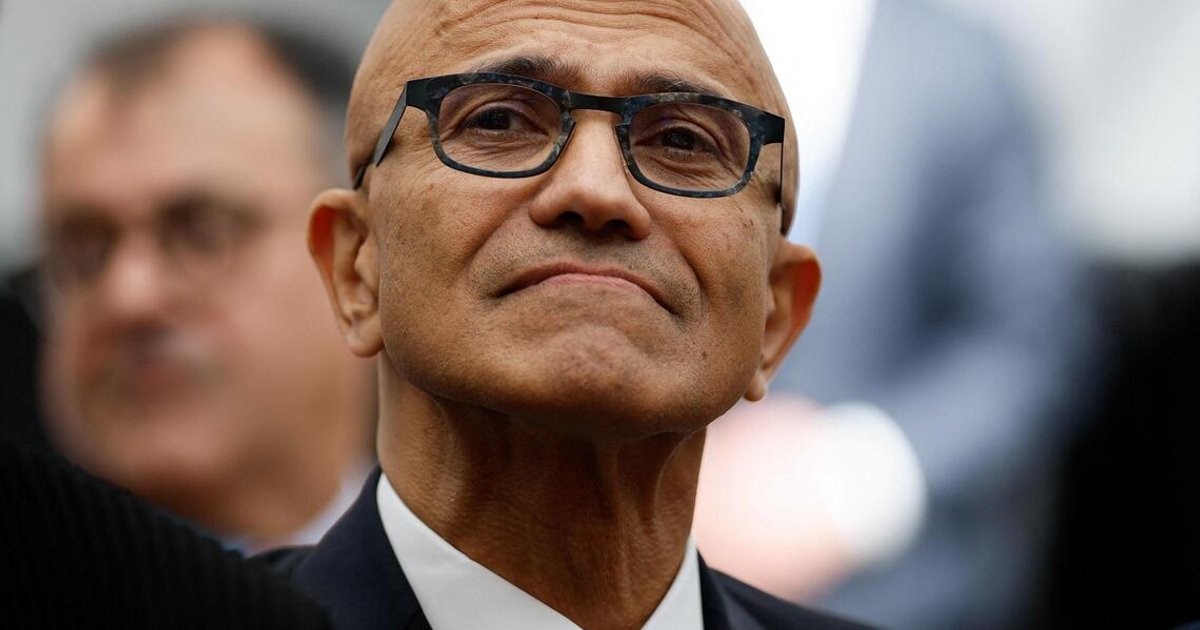
🔮 Microsoft chief executive officer Satya Nadella said companies should treat powerful artificial intelligence models as potential insider threats, assume they could be compromised and create an “emergency brake” system to prevent agentic models from going rogue.
🔮 A federal judge issued a temporary block on the ban, which is set to expire on Oct 13.
🔮 The National Park Service will begin cutting down more than 500 trees on Oct 10 at a public golf course in Washington, D.C., that President Donald Trump is planning to replace with a “championship-level” course.
🔮 US Secretary of State Marco Rubio said Washington would ban transactions with what he described as a “rogue court”, escalating a long-running campaign by Trump’s administration against the Hague-based tribunal. ‘History will judge’
🔮 While You Were Sleeping: 5 stories you might have missed, Oct 11, 2026 At least 12 killed, 309 injured in attack on Saudi airport
🔮 The leaders discussed “the importance of maintaining pressure on Russia”, with Burnham making it clear the UK “would continue to strengthen its sanctions on Russia and to take further action to constrain the Russian war machine, building on new UK designations against Russian targets announced this week”.
🔮 Organisers of those conferences said on Oct 10 they would go ahead as planned, and they sought to reassure attendees of their security. The Houthis have said airliners should avoid Saudi airspace, declaring it a zone of military operations after the Saudi-backed Yemeni government launched an offensive against the group earlier this month.
🔮 Tennessee execution survivor Christa Pike released from hospital, returned to prison Oct 10 - Death row inmate Christa Pike was released from a US hospital on Saturday and sent back to prison where she will continue receiving medical care following her botched execution attempt in Tennessee, her attorneys said.
🔮 Both Riyadh and the Houthis have signalled a willingness to keep fighting rather than pursue diplomacy.
Also by The Straits Times
Nothing else under this byline is closely related to this article, so these are simply their most recent.
All 1659 articles by The Straits Times →

Topics

Berlin Gallup London Wellcome the Wellcome Global Monitor

Subjects

Røttingen PERSON · 3× Wellcome ORG · 3× Berlin GPE · 1× Gallup ORG · 1× Ipsos ORG · 1× John-Arne Røttingen PERSON · 1× London GPE · 1× the Wellcome Global Monitor ORG · 1×

Narrative

The survey does not establish what caused the decline, though the politicisation of science during the pandemic probably contributed, said John-Arne Røttingen, chief executive officer of Wellcome, a London-based health research foundation.
framing: assertive · carried by 1 article(s) · first seen 2026-10-11
🔮 “Politics has made some of science more political and that has led to the polarisation and maybe a lack of trust,” Røttingen said in an interview from Berlin.
2026-10-11 · The Straits Times
Trust in science falls as Covid-era confidence fades, global survey finds · assertive framing

Claims (35 extracted, 4 hedged)

Trust in science falls as Covid-era confidence fades, global survey finds AI generated The Covid-era surge in public trust in science has largely faded, with the steepest drop among people struggling financially, according to one of the largest global surveys of attitudes toward science. uncertain
surge → fall → science
Across countries surveyed before, during and after the pandemic, 72% of people expressed at least some trust in science in 2025, down from 80% in 2020 and 77% in 2018. asserted
% → survey → 2018
Strong trust in scientists also dropped below its pre-pandemic level, according to the Wellcome Global Monitor, which surveyed more than 140,000 adults worldwide. uncertain
which → drop → adults
The retreat has potentially far-reaching consequences for public health as vaccination rates decline and preventable diseases resurge. asserted
diseases → have → health
The US is experiencing its worst measles outbreak in three decades, with almost 3,900 cases this year, while childhood vaccination rates have fallen below levels needed to prevent outbreaks in many communities. asserted
rates → experience → communities
The findings come as misinformation and conspiracy theories complicate responses to health threats, and scientific institutions in some countries face growing political and funding pressures. asserted
institutions → come → pressures
The survey does not establish what caused the decline, though the politicisation of science during the pandemic probably contributed, said John-Arne Røttingen, chief executive officer of Wellcome, a London-based health research foundation. asserted
Røttingen → establish → Wellcome
Vaccines, masks and public-health measures became politically contested, he said. asserted
he → become → ?
“Politics has made some of science more political and that has led to the polarisation and maybe a lack of trust,” Røttingen said in an interview from Berlin. asserted
Røttingen → make → Berlin
The decline was particularly pronounced among people experiencing financial hardship. asserted
decline → pronounce → hardship
In 2025, 39% of those who said they were living comfortably reported a lot of trust in science, compared with 20% among those who find it difficult to get by. asserted
it → say → those
That divide has widened since the pandemic. Strong trust fell 16 percentage points among those struggling financially between 2020 and 2025, compared with 10 points among those living comfortably. asserted
trust → widen → those
Countries with greater economic inequality also tended to have lower trust in science, as did places where people had less confidence in public institutions or perceived greater corruption. asserted
people → tend → corruption
People struggling financially may see science as part of a broader system that is not working for them, Røttingen said. uncertain
Røttingen → struggle → them
“Science is seen as one of those institutions that are not delivering,” he said. asserted
he → see → institutions
Scientists also need to do a better job of reaching such communities, he said. asserted
he → need → communities
“We haven’t been good enough at explaining and engaging with those groups and those communities on how science is benefiting them.” asserted
science → explain → them
Experiences with healthcare were also closely associated with trust. asserted
Experiences → associate → trust
While 26% globally said they had a lot of trust in science, that rose to 43% among people with a lot of confidence in their country’s hospitals and health clinics. asserted
that → say → hospitals
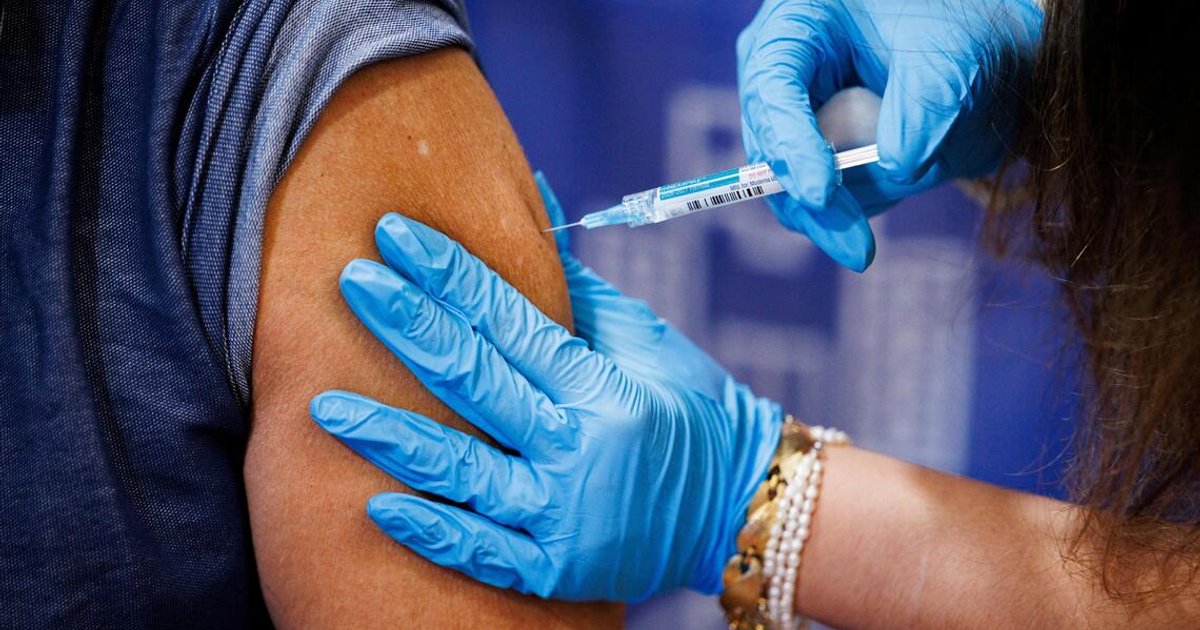
The survey, produced by Wellcome with Gallup and Ipsos, points to a connection between trust and vaccinations. asserted
survey → produce → trust
When respondents were asked what they do when a doctor or nurse recommends a vaccine, 34% said they wanted it immediately, 48% preferred to think about it and 15% said they did not get vaccines at all. asserted
they → ask → vaccines
Those who wanted a recommended vaccine immediately were twice as likely to express a lot of trust in science as those who did not vaccinate – 36% versus 18% – though Wellcome cautioned that other factors also shape vaccine decisions. asserted
factors → want → decisions
Falling vaccination coverage shows how mistrust can have consequences beyond the individual because vaccines also protect people in the wider community who can’t be vaccinated or don’t mount a strong immune response, Røttingen said. asserted
Røttingen → fall → response
“I am worried” about rising measles cases in the US and Europe, he said. asserted
he → rise → US
Public willingness to use new vaccines and other technologies will also be crucial in future health emergencies, he said. asserted
he → use → emergencies
“The power of science can only be fully realised if people trust the science and trust the technologies coming from science.” asserted
people → realise → science
Politics also appears to shape Americans’ views of science. asserted
Politics → appear → science
The share saying science benefits most people rose to 57% in 2025 from 48% in 2018, bucking a global decline. asserted
science → say → decline
Yet views were sharply divided along political lines. asserted
views → divide → lines
Among Americans who disapproved of their country’s leader, 74% said science benefited people like them “a lot”, compared with 44% among those who approved. asserted
who → disapprove → those
The survey was conducted after Donald Trump won the 2024 presidential election but while Joe Biden was still president. asserted
Biden → conduct → election
Scientists nevertheless remain more trusted than governments and journalists, according to the survey. uncertain
Scientists → remain → survey
The proportion expressing a lot of trust in scientists rose to 43% during the pandemic from 34% in 2018, before falling to 32% in 2025. asserted
proportion → express → 2025
The decline needs to be kept in perspective, Røttingen said. asserted
Røttingen → need → perspective
About seven in 10 people globally still trust science. asserted
people → trust → science

💬Give feedback
🕘History 🎫Support