A columnist reflects on the inevitability of change throughout life, drawing parallels between modern concerns about climate change and historical discussions on mortality and taxes. The article explores how change can be both positive and negative, challenging readers to distinguish between destructive changes and those that bring renewal. It emphasizes the importance for individuals and institutions, especially religious ones, to balance faithfulness to core principles with openness to beneficial transformation.
Written locally by qwen2.5:14b on 2026-10-10,
using this article's own text rather than the other coverage of the
same event (that is the story summary below).
Story summary
In 1789, Benjamin Franklin popularized the phrase "nothing is certain except death and taxes," though it originated in a 1716 play by Christopher Bullock. Reflecting on modern times, writer Jim Pilmer suggests adding "change" as a third certainty for 2026, noting that change has always been a source of concern and adaptation since the time of Scottish Anglican cleric Henry Francis Lyte (1793-1847). Today, while "climate change" often dominates discussions, numerous other types of change impact individuals throughout their lives, such as career shifts, relationship changes, and personal growth. These transitions can bring both joy and hardship but are necessary for personal development.
Written for “Change Versus Truth” on 2026-10-10,
grounded in this article and the 0 other(s) covering the same event.
Why this leaning score
This article does not take a side on a contested political
question, so it has no leaning score. That is an
answer rather than a gap: a match report or a rescue can be warmly
or critically written without being left or right, and scoring it
anyway is how approval of a subject gets recorded as a political
position.
No political leaning scored for article 70905 · logged 2026-10-10
It’s interesting to see how far back we can go when tracing still familiar sayings, such as: “In this world nothing can be said to be certain, except death and taxes.”
asserted
nothing → ’ → death
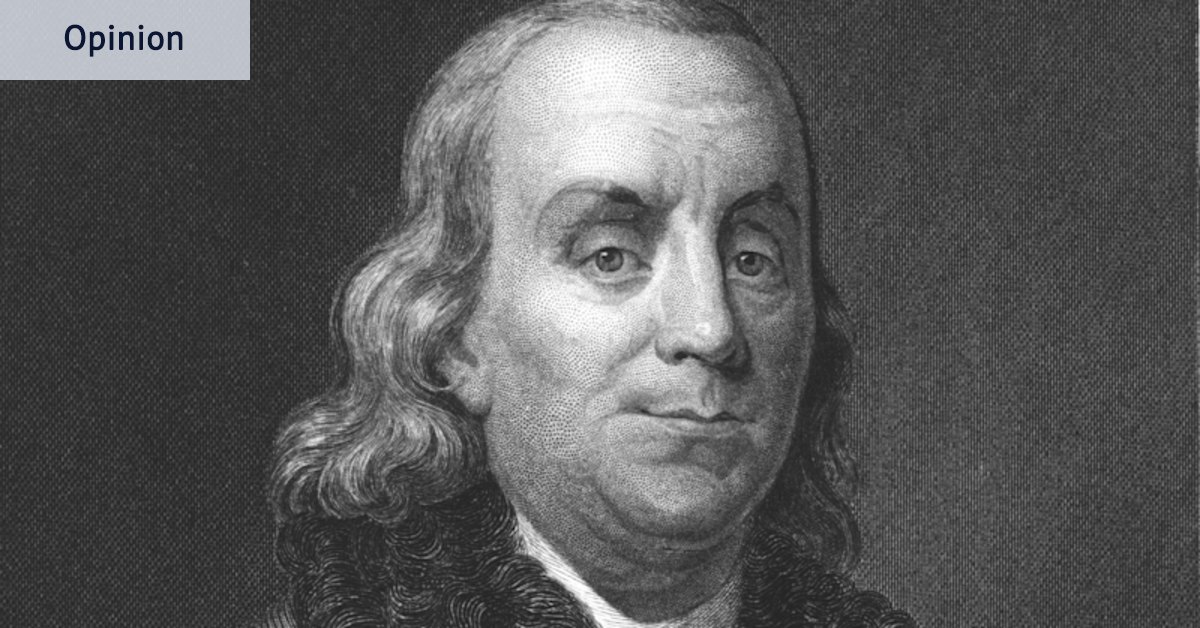
American statesman Benjamin Franklin popularised the saying in 1789, but is said to have quoted from a play written by Christopher Bullock in 1716.
asserted
Franklin → popularise → 1716
In 2026 I think I’m safe in adding a third certainty, namely “change”.
asserted
I → think → certainty
Not that change wasn’t causing concern back in Franklin’s day.
asserted
change → cause → day
Scottish Anglican cleric Henry Francis Lyte (1793-1847), who wrote the much-loved hymn Abide with Me, included the words “Change and decay in all around I see.
asserted
I → write → words
Oh thou who changest not, abide with me.”
asserted
who → changest → me
Which raises the question: Are change and decay necessarily synonymous?
asserted
change → raise → question
These days the word change is mostly preceded by “climate”.
asserted
change → precede → climate
Life stages themselves bring necessary and potentially rewarding changes.
asserted
stages → bring → changes
Growing up, seeking our vocation, discovering our sexuality, each generates and demands change.
asserted
each → grow → change
Loss of employment, relationship breakdown and the deaths of loved ones over the years can easily derail.
asserted
Loss → love → years
Change can bring both joy and heartache, hope and sorrow.
asserted
Change → bring → joy
Our senior years may bring a time of adapting to changes in health or moving into aged care.
uncertain
years → bring → care
As in life generally, long-held beliefs can be challenged by what we experience as we age.
asserted
we → hold → what
Coping with changed circumstances is at the heart of much spiritual support and pastoral care across all ages and stages.
asserted
Coping → cop → ages
Change for the better is inevitably intermixed with the drawbacks.
asserted
Change → intermix → drawbacks
Societal, political, organisational and family changes are ideally aimed at improving life’s circumstances for the wider community or the individual.
asserted
changes → aim → community
Throughout its history the Christian church has been interacting with this world of change with varying degrees of insight and enthusiasm.
asserted
church → interact → insight
We will always walk a somewhat wobbly line between change that renews and maintaining principles of faith and practice which we believe to be eternal or non-negotiable.
asserted
we → walk → faith
Change should not necessarily be equated with decay.
asserted
Change → equate → decay
Which changes are potentially destructive in the long term and which are not is the more precise question to ask.
asserted
which → ask → term
Obviously, it’s not only a question for people of faith.
asserted
it → ’ → faith
As Christians it’s incongruous for us to pray to be led by the Holy Spirit on the one hand and refuse to budge on the other.
asserted
us → ’ → other
What that may mean for the wider church, and for the various expressions of it, is a vexed question.
uncertain
mean → mean → it
A willingness to be led demands both faith and courage.
asserted
willingness → lead → faith
To misquote Henry Francis Lyte, May God abide with us in the process.
uncertain
God → misquote → process
 The Aporia