Welcome to From the Politics Desk, a daily newsletter that brings you the NBC News Politics team’s latest reporting and analysis from the White House, Capitol Hill and the campaign trail.
asserted
that → welcome → House
In today’s edition, we dive into a shift in the way Democrats are casting their ballots so far ahead of the November election.
asserted
Democrats → dive → election
Plus, Kristen Welker examines the key dynamics that were at play in last night’s Senate debates.
asserted
that → examine → debates
— Adam Wollner
Mail ballot concerns are changing how Democrats vote, early vote analysis shows
asserted
analysis → change → ?
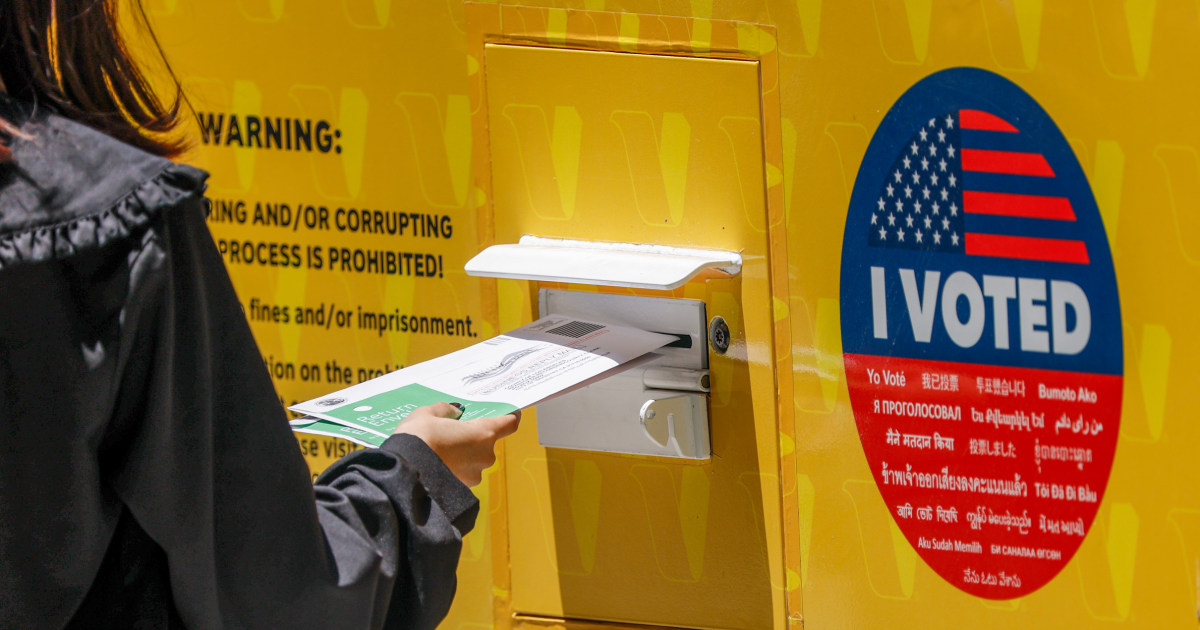
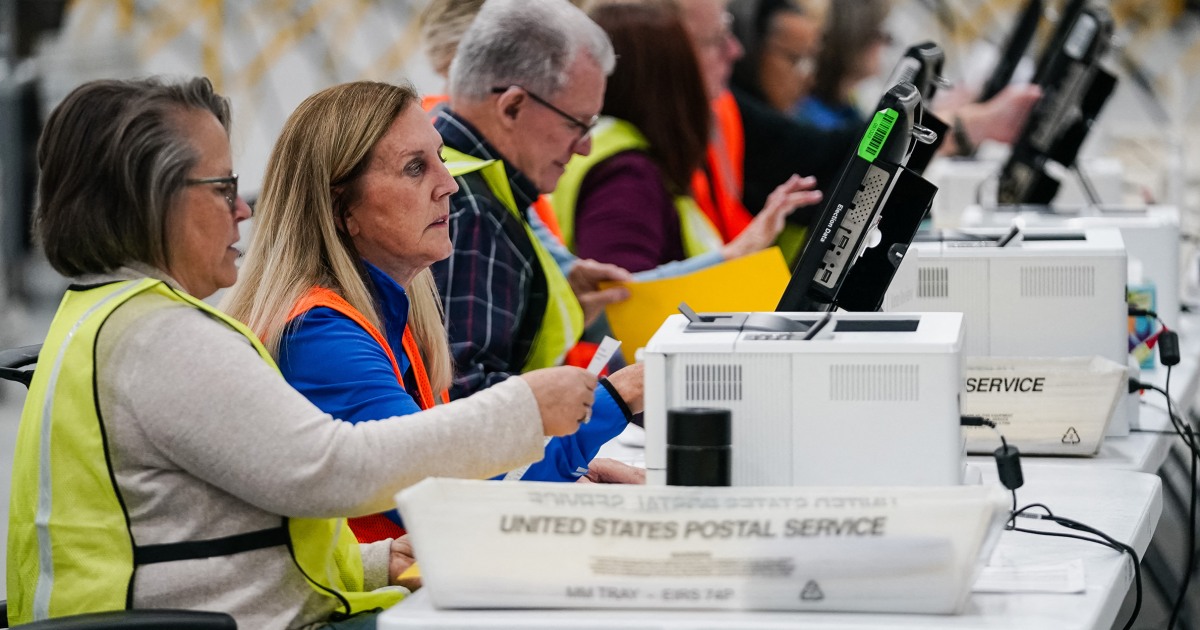
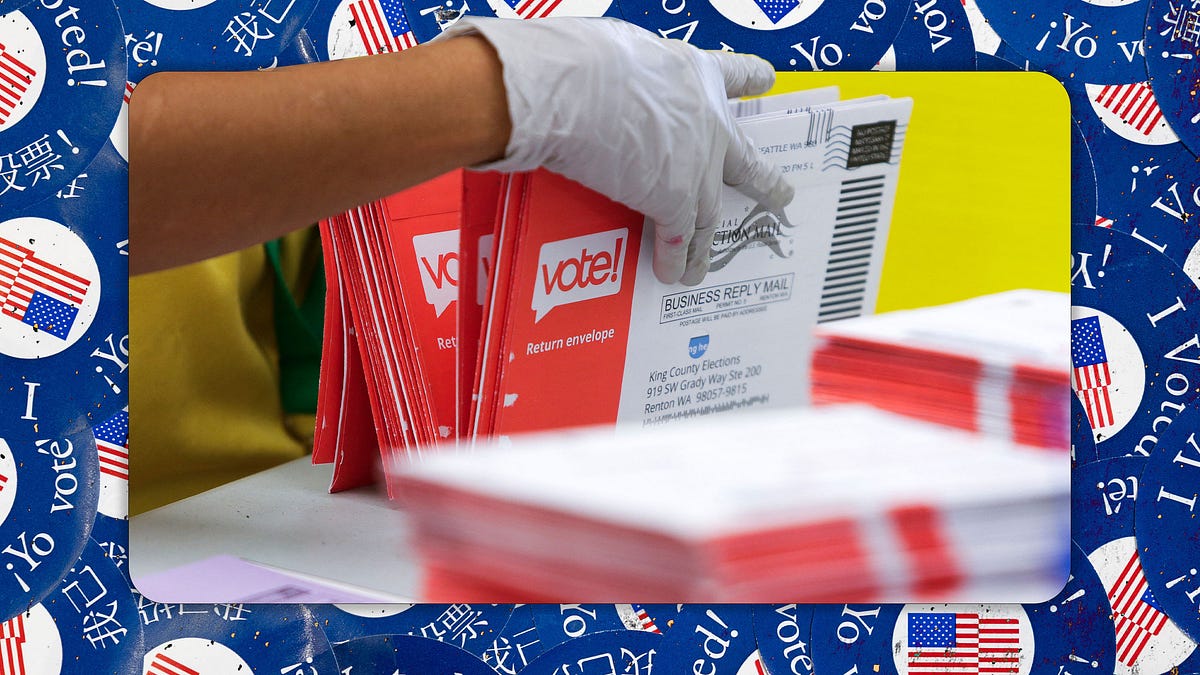
Democrats are changing how they vote, requesting fewer mail ballots than in past elections but returning the ones they do request more quickly, according to a new NBC News Decision Desk analysis of the early vote conducted in coordination with the University of Pennsylvania.
uncertain
they → change → Pennsylvania
The findings, which come less than four weeks before Election Day, reflect a midterm landscape shaped by concerns about mail-in voting and doubts about the reliability of the U.S. Postal Service.
asserted
which → come → Service
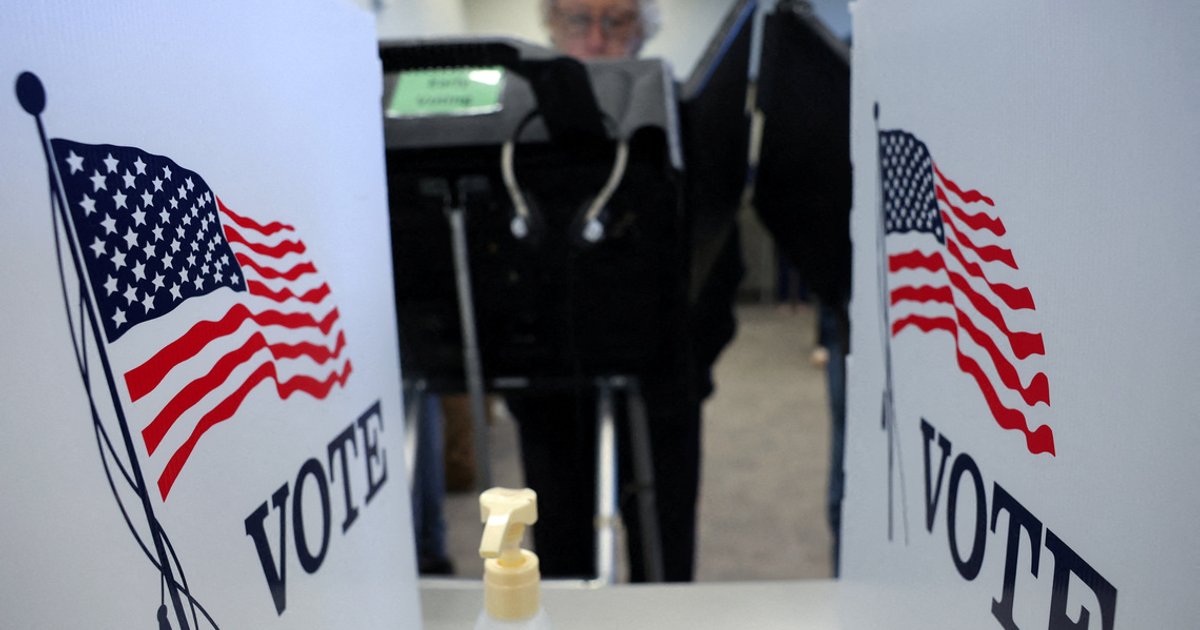
The shift among Democrats suggests they may be abandoning mail ballots in favor of in-person voting, or taking precautions to ensure their ballot arrives on time.
uncertain
ballot → suggest → time
Since 2020, Democrats have been far more likely than Republicans to vote by mail, creating predictable patterns in how early election tallies shift as additional votes are counted.
asserted
votes → vote → patterns
But if those habits are changing, it will be more difficult to gauge which party has more enthusiasm from early voting figures, while the now-familiar red and blue “mirages” seen on recent election nights could unfold differently.
uncertain
mirages → change → nights
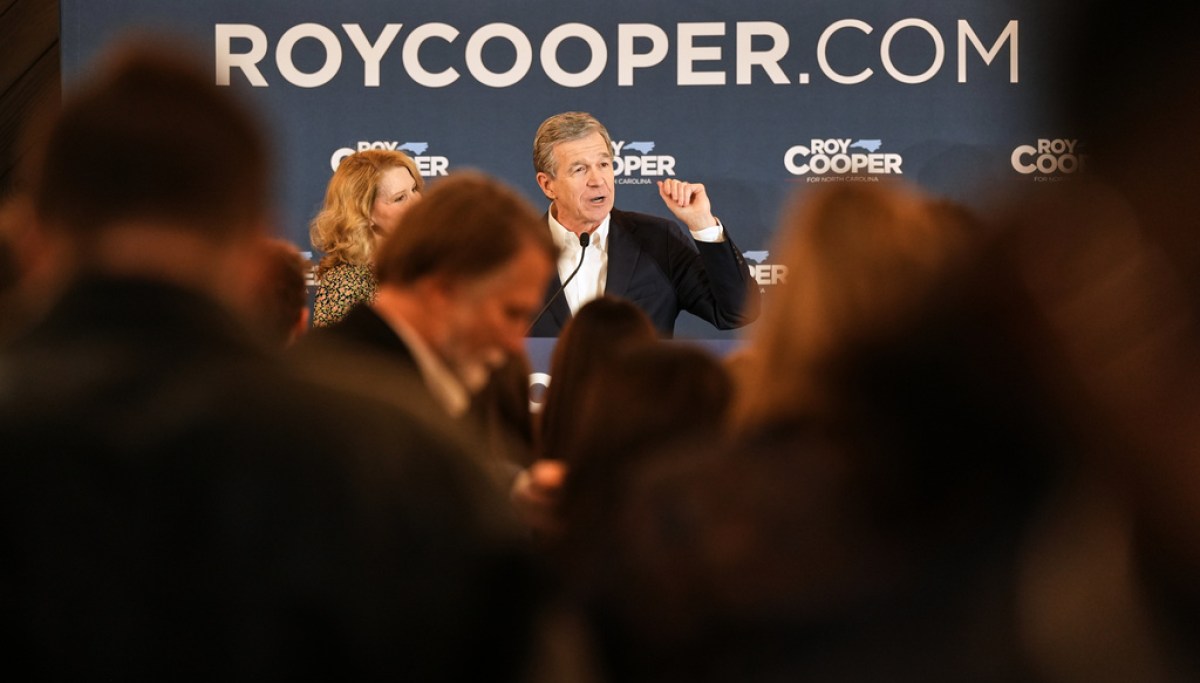
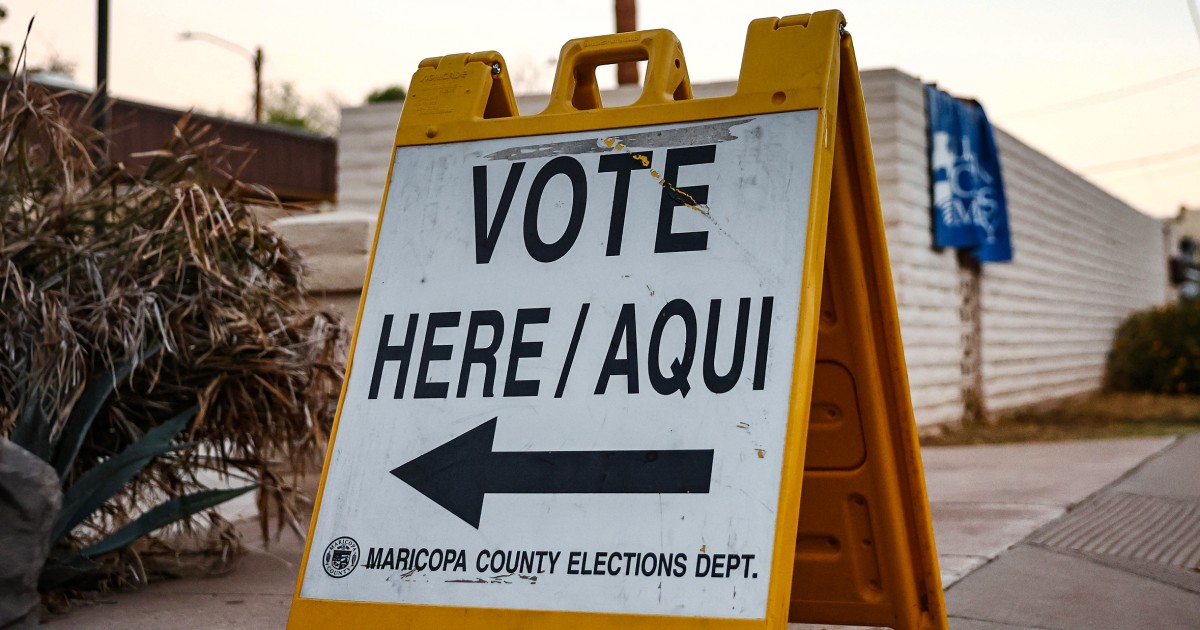
Take North Carolina, where the Senate race is poised to help decide control of the chamber.
asserted
race → take → chamber
So far, Democrats in the state are both less likely to request and more likely to return mail ballots compared with 2022, the most recent midterm election year.
asserted
Democrats → request → 2022
The decrease is larger among Democratic registered voters, at 40% fewer mail ballots requested, than among Republican registered voters or independent or third-party registrants, at 18% and 23% fewer, respectively.
asserted
decrease → register → %
Further, the Democratic registrants who have requested mail ballots are more likely to have already returned them in 2026 (22%) than in 2022 (17%).
asserted
who → request → 2022
Confidence that the Postal Service would deliver mail ballots on time plummeted among Democrats from 86% before the 2024 election to 60% last month, according to polling conducted by Marist just after the Supreme Court blocked President Donald Trump’s new Postal Service rules from going into effect.
uncertain
Court → deliver → effect
By comparison, confidence among Republicans remains unchanged.
asserted
confidence → remain → Republicans
Meanwhile, more Democrats said they planned to vote in person this year than said the same at this time in 2024, according to NBC News polling.
uncertain
they → say → polling
What we learned from last night’s debates
Analysis by Kristen Welker
Debate season has reached a fever pitch just weeks before Election Day.
asserted
season → learn → Day
And last night’s trio of Senate showdowns laid bare the dynamics and disagreements that will decide the fight for the majority.
asserted
that → lay → majority
Arguably the biggest similarity across the three major Senate debates on Thursday — in Michigan, Maine and Georgia — underscores why Democrats believe they have the wind at their backs: They are all singing from the same songbook when it comes to the economy.
asserted
it → underscore → economy
In race after race, Democratic candidates are laying voters’ dissatisfaction with President Donald Trump at the feet of Republicans.
asserted
candidates → lay → Republicans
Trump’s poor ratings on issues like the economy and immigration give these Democrats a clear opening as they call for change.
asserted
they → give → change
And some Republican candidates have struggled to articulate how they will address these voter frustrations when they supported many of the president’s policies in the first place.
asserted
they → struggle → place
But the personal attacks peppered throughout these debates reveal another important dynamic too: Republicans believe that in many cases, their best chance to swim against the political tide comes by making the campaign a referendum on the Democrat standing across from them, rather than Trump.
asserted
campaign → pepper → Trump
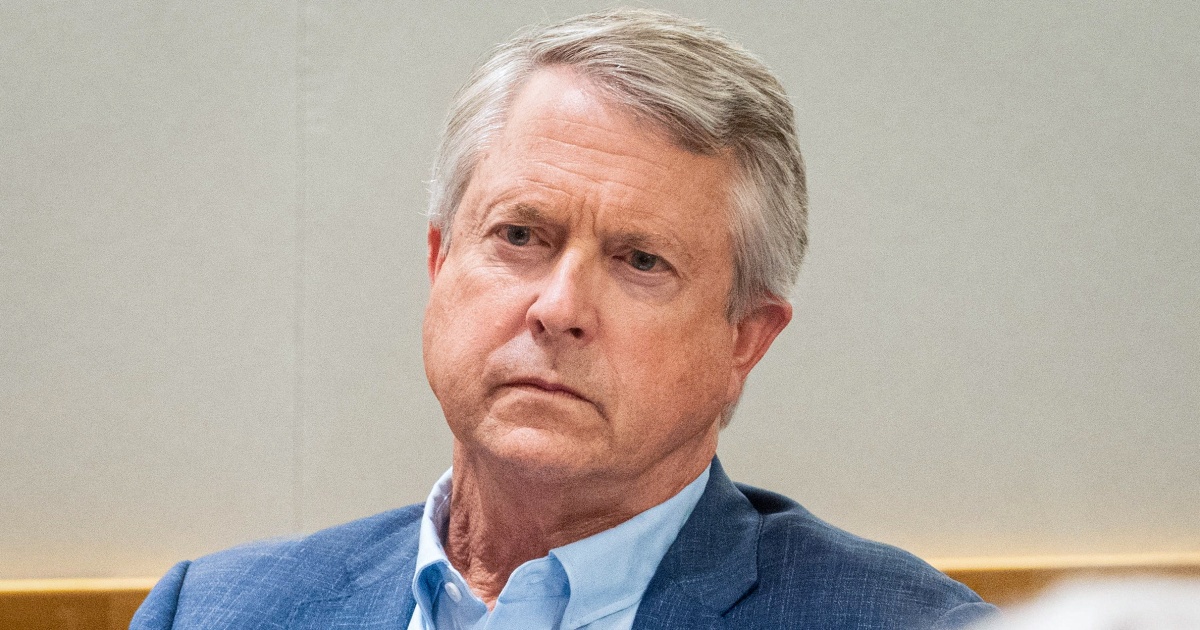
The hourlong event featured no shortage of name-calling: Rogers’ repeated insistence that El-Sayed is a “con man” sought to undermine the Democrats’ economic attacks, while El-Sayed calling Rogers “weak” and “cowardly” aims to convince voters that the Republican won’t stand up to the president.
asserted
Republican → feature → president
It’s how both candidates closed their first debate.
asserted
candidates → ’ → debate
El-Sayed argued he was best positioned to stand up for Michiganders in Washington, while Rogers made the case that a vote for his opponent is too big of a risk.
asserted
vote → argue → risk
El-Sayed will join me on this Sunday’s “Meet the Press,” where we will dig deeper into the dynamics of this pivotal Senate race.
asserted
we → join → race
I’ll also speak with retiring Sen. Thom Tillis, R-N.C., and author Michael Lewis, to discuss their new books and how they are digesting the first two years of this Trump administration.
asserted
they → speak → administration
In three separate debates this week, GOP candidates revealed when pushed on high costs that they’ve been in direct contact with Cabinet officials in the Trump administration to try to address them, Bridget Bowman notes.
asserted
Bowman → reveal → them
As Georgia Secretary of State Brad Raffensperger gears up to oversee his final election, he is still combating skeptics within his own party.
asserted
he → gear → party
“At the end of the day, we’re going to beat you to death with audits,” he said.
asserted
he → go → audits
Sen. Cory Booker, D-N.J., plans to travel to Nevada, South Carolina and New Hampshire — all early presidential primary states — in addition to Alabama to campaign for candidates on the midterm ballot.
asserted
Booker → plan → ballot
Center-left think tank Third Way is warning Democratic presidential contenders against swinging too far left on immigration with new polling data.
asserted
Way → warn → data
Trump said Russian President Vladimir Putin would “immediately” release hundreds of thousands of tons of diesel fuel onto the global market.
asserted
Putin → say → market
Vice President JD Vance suggested that the federal government would not livestream its planned execution of Fort Hood shooter Nidal Hasan by firing squad, contradicting the plan announced by Defense Secretary Pete Hegseth.
uncertain
government → suggest → Hegseth
Trump named conservative commentator Katie Zacharia as the next White House press secretary, replacing Karoline Leavitt.
asserted
Trump → name → Leavitt
Trump signed an order directing the attorney general and other top federal officials to establish a committee to investigate Federal Reserve governor Lisa Cook, in his latest attempt to fire her.
asserted
Trump → sign → her
Read more →
That’s all From the Politics Desk for now.
asserted
That → read → Desk
Today’s newsletter was compiled by Adam Wollner.
asserted
newsletter → compile → Wollner
If you have feedback — likes or dislikes — email us at politicsnewsletter@nbcuni.com
And if you’re a fan, please share with everyone and anyone.
asserted
you → have → everyone
…and 1 more, not listed.
 The Aporia