New Yorkers know the affordability crisis all too well: Rent is among the highest in the country, taxes take a hefty bite out of paychecks, and even routine household expenses can feel like luxury purchases.
asserted
expenses → know → purchases
For many New Yorkers, prescription drugs are another unavoidable expense, with the average person spending over $100 a month on their medications.
asserted
person → spend → medications
Yet lawmakers in Albany and beyond aren’t looking for ways to make medicine cheaper.
asserted
medicine → look → ways
Instead, they’re pursuing policies that could undermine patient access to local pharmacies and discourage the development of new treatments in America.
uncertain
that → pursue → America
Politicians want to micromanage the pharmaceutical supply chain — even if that brings about higher prices.
asserted
that → want → prices
Recommended Stories
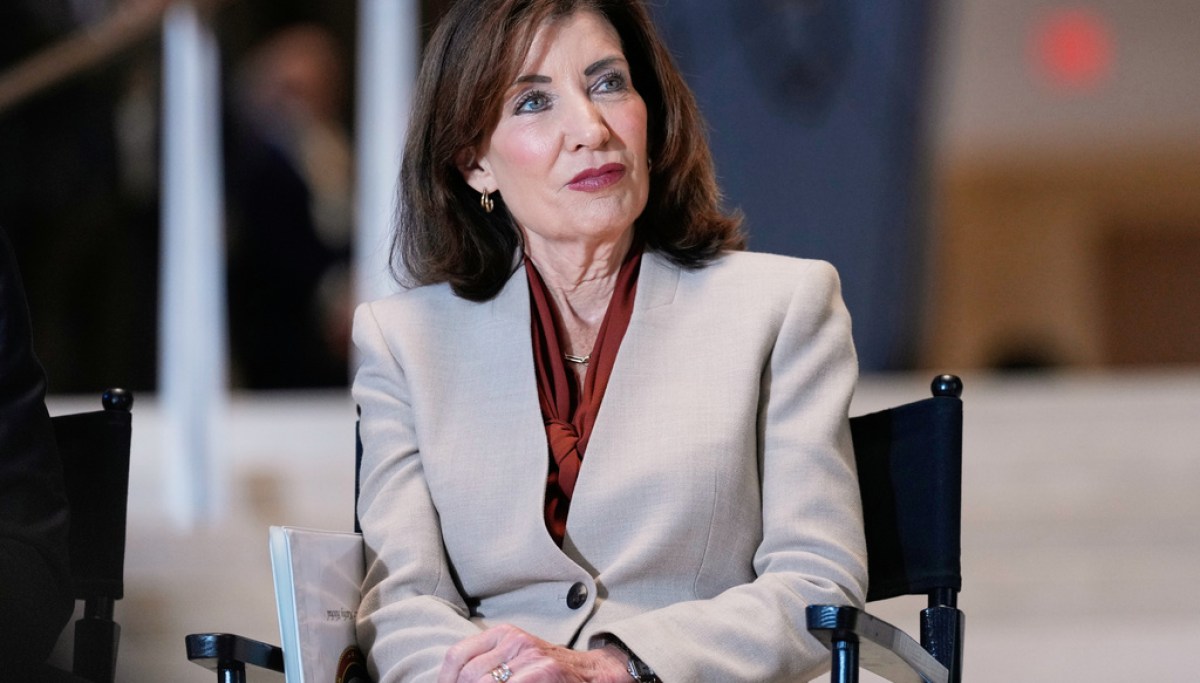
The New York state legislature has sent a bill to Gov. Kathy Hochul’s (D-NY) desk that would require pharmacy benefit managers to reimburse pharmacies at a minimum rate tied to a federal benchmark, plus a $10.18 dispensing fee for each prescription.
asserted
that → send → prescription
The proposal is expected to cost roughly $576 million, which lawmakers insist pharmacies and PBMs will absorb rather than pass on to consumers.
asserted
pharmacies → expect → consumers
It’s another piece of legislation in a long list of state and federal proposals to scapegoat PBMs for the high cost of various prescription drugs.
asserted
It → ’ → drugs
They perform a function that the pharmaceutical market actually needs.
asserted
market → perform → that
PBMs aggregate millions of prescriptions and negotiate with drugmakers and pharmacies on behalf of insurers, employers, and patients.
asserted
PBMs → aggregate → insurers
Their purchasing power allows them to bargain over prices, build pharmacy networks, and manage prescription benefits at a scale that individual patients and small employers simply cannot match.
asserted
patients → purchase → that
Rather than seeking how to leverage this business savvy for greater cost-savings, including in government services such as the Medicaid system, the New York bill would saddle these financial operators with part of the bill for all New Yorkers’ medication orders.
asserted
bill → seek → orders
As a result, drug prices will only inflate, and many integrated pharmacies may leave the state.
uncertain
pharmacies → inflate → state
In Arkansas, Gov. Sarah Huckabee Sanders (R-AR) signed legislation barring companies such as CVS, Cigna, and UnitedHealth from owning both a PBM and a pharmacy — alleging that this vertical integration distorts drug prices and squeezes out smaller, independent pharmacies.
asserted
integration → sign → pharmacies
While the law is in court, CVS has explicitly stated that the legislation may force them to close all 23 of their retail pharmacy locations in the state and lay off over 500 workers if implemented.
uncertain
legislation → state → workers
Sixteen states have already enacted similar mandates to New York, with fees up to $15 per prescription.
asserted
states → enact → prescription
Some politicians are even calling for more extreme proposals, such as Michigan Democratic Senate nominee Abdul el Sayed suggesting a total ban on PBMs in his crusade to socialize healthcare.
asserted
Sayed → call → healthcare
But the fact that politicians across the country are reaching for the same lever doesn’t make the lever work.
asserted
lever → reach → lever
Before Albany joins in the chorus, lawmakers should ask the obvious question: Will patients actually get cheaper prescriptions?
asserted
patients → join → prescriptions
Lawmakers should turn their attention to the constraints on the new drug approval process, limited domestic pharmaceutical manufacturing, and other regulations, such as those on transportation, affecting the supply chain.
asserted
Lawmakers → turn → chain
If Albany wants cheaper medicine, it should focus on expanding supply and competition rather than dictating how much pharmacies and PBMs must pay each other.
asserted
pharmacies → want → other
Pharmacies need to stay open.
asserted
Pharmacies → need → ?
Patients need affordable access to medicine.
asserted
Patients → need → medicine
PBMs need the freedom to use their purchasing power to negotiate lower prices.
asserted
PBMs → need → prices
New Yorkers don’t need Albany to negotiate their prescriptions for them.
asserted
Albany → need → them
They need Albany to let the market negotiate a better deal.
asserted
market → need → deal
 The Aporia