The Guardian
· collected 2026-10-09 · by Kalyeena Makortoff Banking correspondent
The Trades Union Congress (TUC) reports that UK government revenue has been reduced by £6 billion due to tax cuts for banks implemented in 2023 under former Tory chancellor Rishi Sunak. The TUC, which represents over 5.3 million members, calls on the current chancellor John Healey to reverse these cuts and increase taxes on banks during the upcoming budget to address rising household bills. Calculations by the TUC show that the UK lost £2.3 billion in 2023-24, £1.7 billion in 2024-25, and £2 billion in 2025-26 from reduced bank taxes, totaling £6 billion over three years.
Written locally by qwen2.5:14b on 2026-10-09,
using this article's own text rather than the other coverage of the
same event (that is the story summary below).
Why this leaning score
The model judged this article politically coded and scored it -0.65, but 1 quote(s) could not be found in the article and the other 2 are attributed speech rather than the article's own narration, so the score is not published.
Written under an earlier scoring contract, which gave a paragraph
rather than checkable quotes. Re-analysing this article replaces it.
Leaning score withheld for article 68375: no verified evidence · logged 2026-10-09
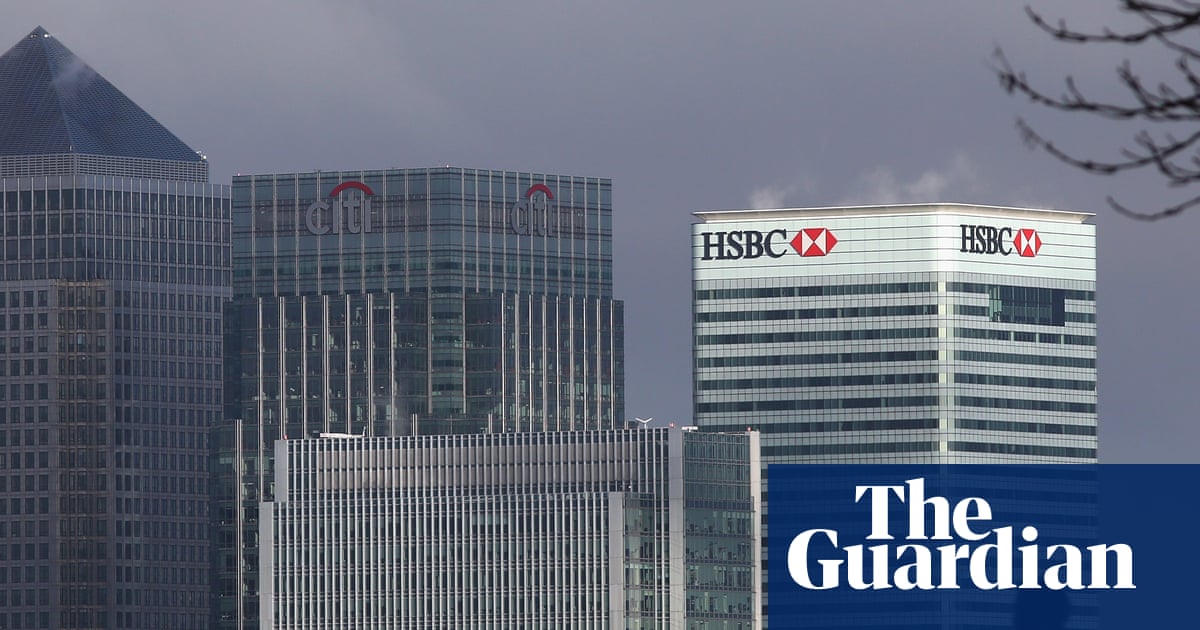
Tax cuts for big banks have deprived the UK government of £6bn in revenues, according to campaigners, who are calling on the chancellor, John Healey, to increase taxes and force lenders to pay their “fair share” in the upcoming budget.
uncertain
who → deprive → budget
Calculations by the Trades Union Congress (TUC), which represents unions with more than 5.3 million members across England and Wales, shows that the public purse is billions of pounds worse off as a result of tax cuts introduced under the Tory chancellor Rishi Sunak in 2023.
asserted
purse → represent → 2023
The then government agreed to slash the bank surcharge – an additional levy on lenders’ profits – from 8% to 3% that year.
asserted
government → agree → %
The move was meant to offset a rise in corporation tax from 19% to 25%, after the industry argued higher taxes would put them at a competitive disadvantage compared with other big financial centres such as New York.
asserted
taxes → mean → York
However, the cuts came just as lenders started reaping handsome earnings, thanks to rising interest rates.
asserted
lenders → come → rates
The UK’s four largest lenders – HSBC, NatWest, Barclays, Lloyds Banking Group – have now generated £200bn in pre-tax profits over the past five years.
asserted
lenders → generate → years
The TUC says the 2023 cuts ultimately robbed the UK purse of tax revenues.
asserted
cuts → say → revenues
Its analysis of HMRC corporate tax receipts shows the UK public lost out £2.3bn in 2023-24, a further £1.7bn in 2024-25, and £2bn in 2025-26 – totalling £6bn over three years.
asserted
public → show → years
With banks pocketing record profits, the TUC said the surcharge should now be increased beyond its pre-2023 level at the 28 October budget.
asserted
surcharge → pocket → budget
That could raise up to £60bn, which could be used to cover rising household bills as part of prime minister Andy Burnham’s drive to tackle the cost of living.
uncertain
which → raise → living
“The Tories’ tax break for banks has cost the UK public purse £6bn and counting.
asserted
break → cost → counting
It’s time to end it and to make sure banks pay their fair share,” the TUC’s general secretary, Paul Nowak, said.
asserted
secretary → ’ → share
“At a time when families are struggling with soaring energy costs, taxing banks’ booming profits to cut bills is just plain common sense.
asserted
taxing → struggle → bills
There is a mountain of evidence to suggest that banks can afford to pay more tax – not least the record £25bn bonus pool they paid out last year.
asserted
they → be → tax
“This month’s budget is an opportunity to put things right.”
asserted
budget → put → things
Bank bosses have been lobbying intensively against bank tax rises, after narrowly escaping higher levies during last year’s budget.
asserted
bosses → lobby → budget
Jamie Dimon, chief executive of the largest US bank, JP Morgan, warned Burnham and Healey against further levies during a meeting last month, saying it could put investment and jobs at risk.
uncertain
it → warn → risk
Earlier this year, Dimon warned that he could scrap plans for a new £3bn London headquarters if the UK government became hostile to banks.
uncertain
government → warn → banks
The TUC have said raising the surcharge to 16% – double the rate prior to Conservative cuts – could raise £24bn in tax revenues over the next four years.
uncertain
raising → say → years
Meanwhile, a 35% bank surcharge, which would match the windfall tax rate that Conservatives imposed on energy companies, would deliver £60bn over four years.
asserted
Conservatives → match → years
Even reversing the surcharge cuts and setting it at 8% would raise £9bn over that same period, the union body said.
asserted
body → reverse → period
“Reversing the last government’s tax cuts is the very least this government can do to claw back some of the lost billions it’s handed to banks in recent years,” said a spokesperson for campaign group Positive Money, which has also been pushing for bank tax rises at the budget.
asserted
which → reverse → budget
“Banks are making record profits without lifting a finger, thanks to the higher rates being paid to them, by both customers and the Bank of England.”
asserted
Banks → make → England
David Postings, the chief executive of banking lobby group UK Finance said that a strong banking sector was essential for a strong UK economy and that profitable lenders would be able to invest in better services for customers, issue more loans, and deliver “returns” – such as shareholder dividends – that supported people’s savings and pensions.
asserted
that → say → savings
“Banks also make a major contribution to the public finances and already face a materially higher total tax rate in the UK than in other leading financial centres,” he said.
asserted
he → make → centres
“Further tax increases would weaken the UK’s competitiveness, discourage investment and job creation, and work against the government’s ambition to deliver growth in every postcode.”
asserted
increases → weaken → postcode
The Treasury was contacted for comment.
asserted
Treasury → contact → comment
 The Aporia