That is 0 articles you have read today.
The Aporia is free and carries no advertising, so readers are the only
thing paying for it. If you are getting this much out of it, a small
donation is what keeps it independent.
Daily limit reached
You have read 0 articles today.
That is more than the 15 a day The Aporia gives away,
and well past what it can carry on nothing. Your allowance resets at
midnight.
There is no advertising here and nothing about you is sold, so readers
are the only thing paying for it. If the site is worth this much of
your day, it is worth a few dollars.
Everything else stays open: the
maps, the
directory and
search do
not count against this, and neither does re-opening something you have
already read today.
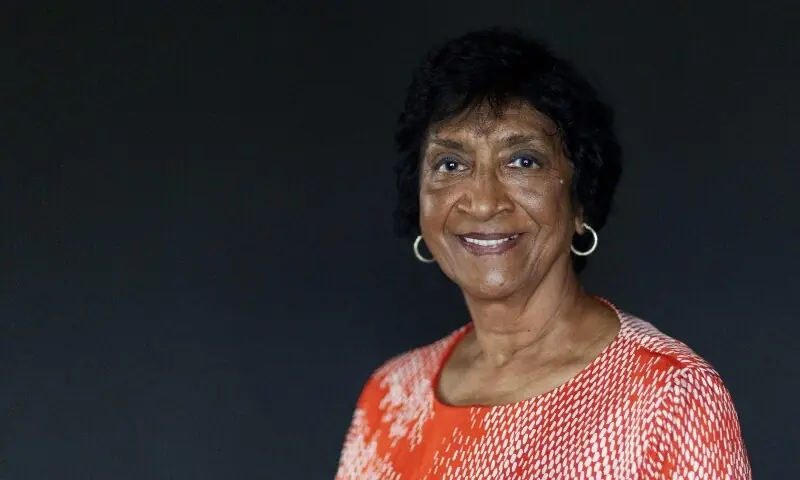
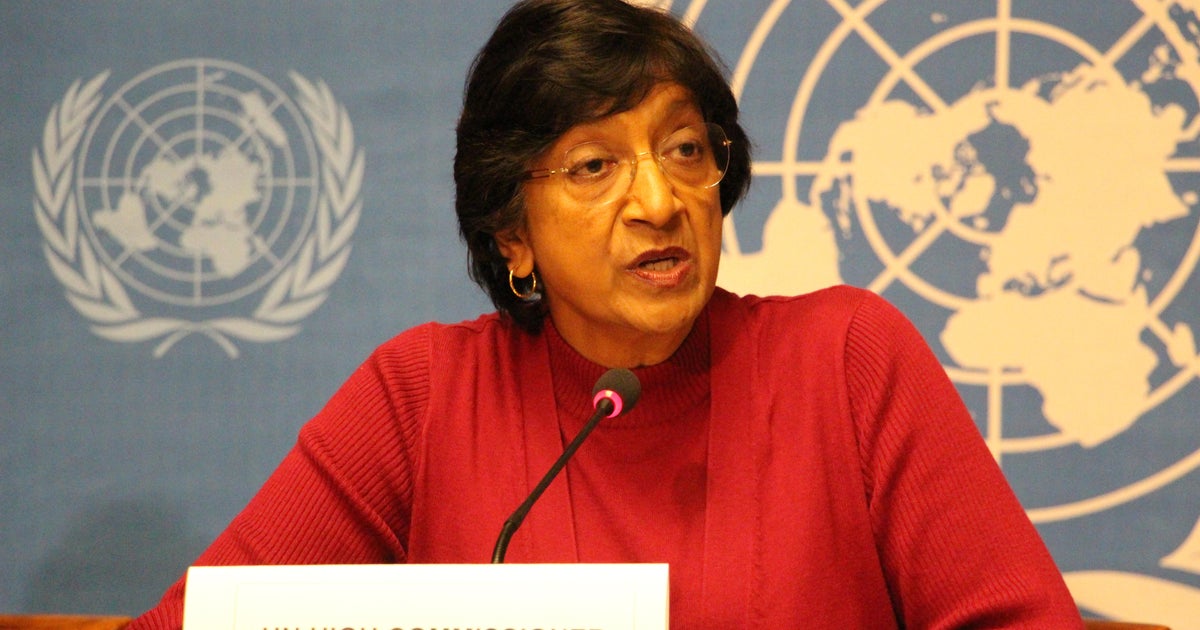
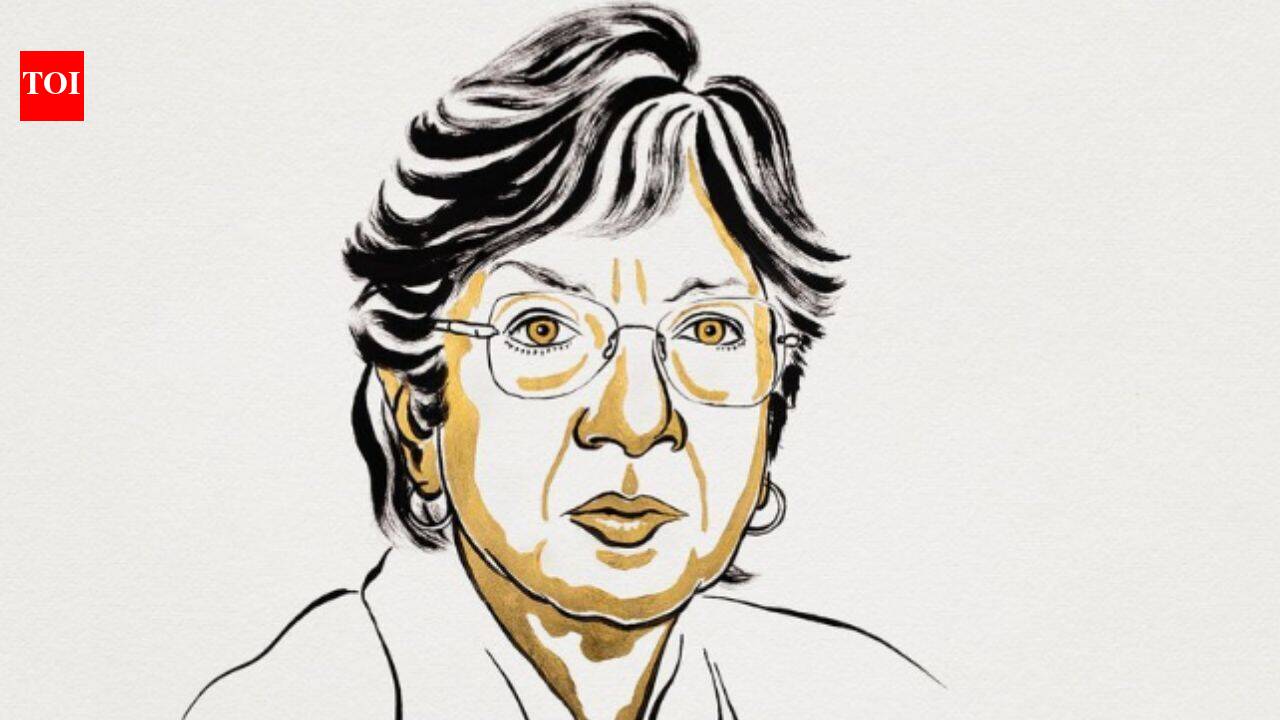
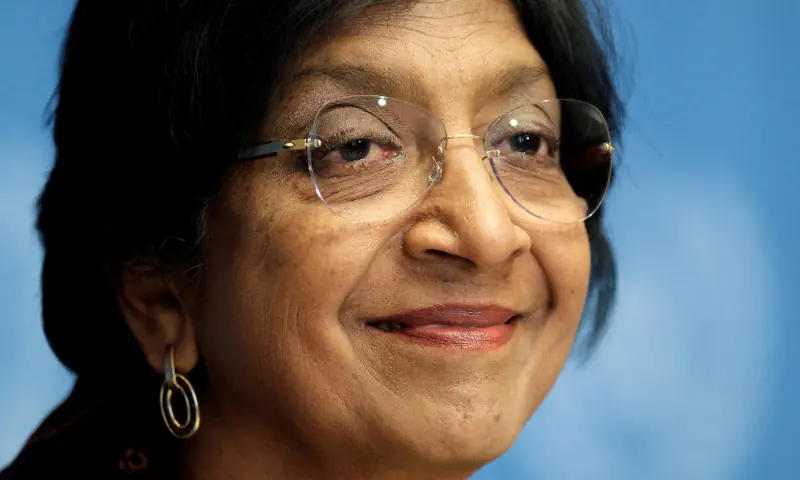
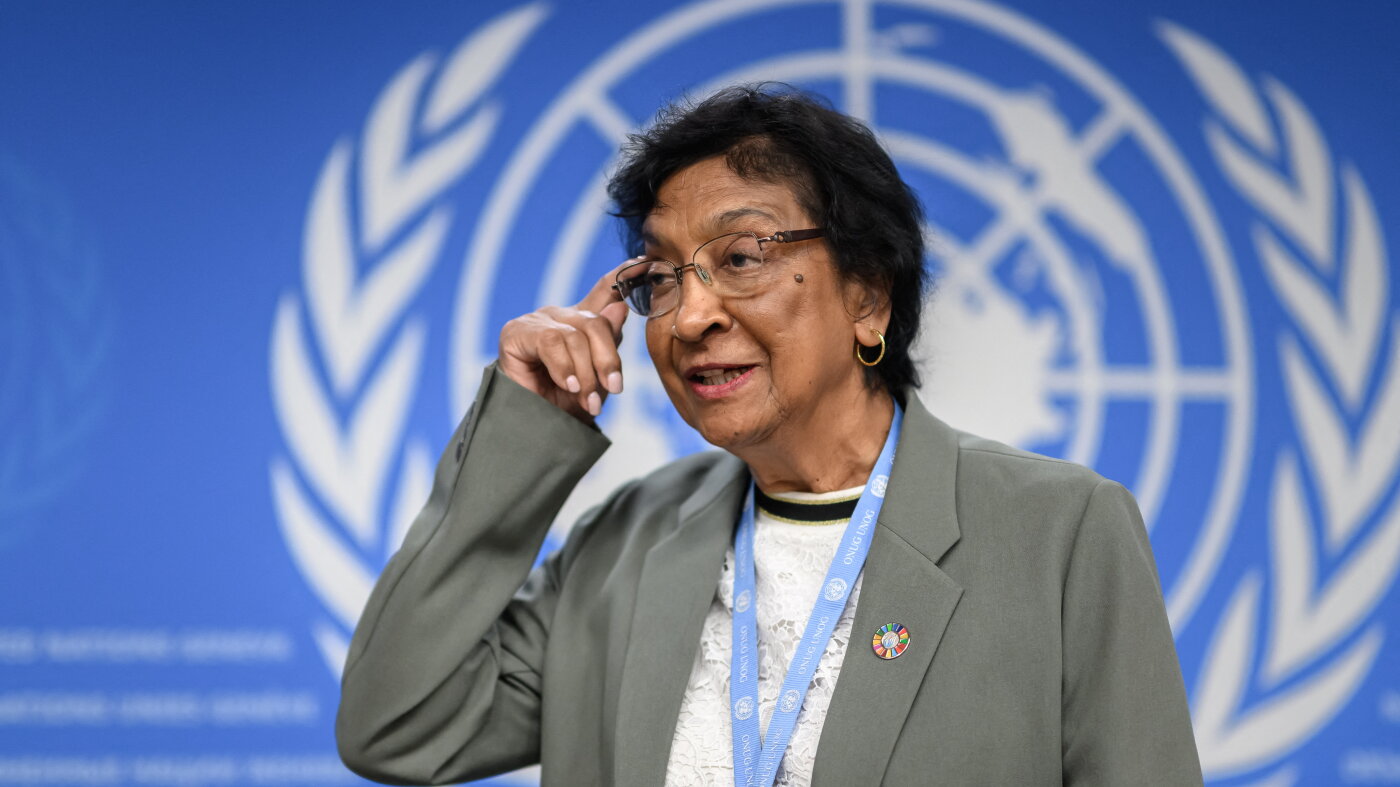
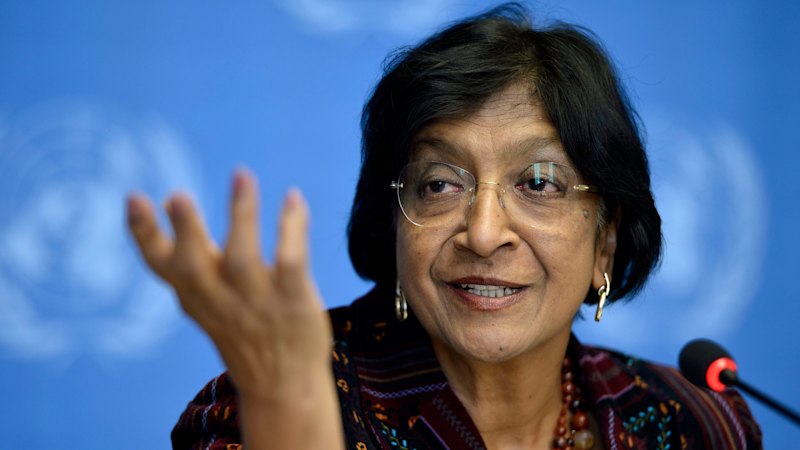
Navi Pillay, South Africa's former UN rights chief and now an International Court of Justice ad hoc judge, was recently awarded the Nobel Peace Prize. Born in 1941 to a Tamil family in apartheid-era Durban, Pillay became South Africa’s first non-white woman high court judge. Her career highlights include chairing a commission investigating the Israeli-Palestinian conflict and serving on the International Criminal Court and the Rwanda tribunal, where she helped establish rape as an act of genocide. Pillay is known for her outspoken advocacy against human rights abuses globally.
Written locally by qwen2.5:14b on 2026-10-09,
using this article's own text rather than the other coverage of the
same event (that is the story summary below).
Story summary
On October 9, 2026, the Norwegian Nobel Committee awarded the Nobel Peace Prize to Navanethem “Navi” Pillay, an 85-year-old South African judge and former UN human rights chief who served on the International Court of Justice. The committee recognized her extensive efforts in promoting peace and international law at a time when these frameworks are under increasing pressure globally. Despite speculation and lobbying from Donald Trump — who had been actively campaigning for the prize due to unsubstantiated claims about his contributions to world peace — Pillay’s dedication to justice and human rights was deemed more deserving by the committee.
The award ceremony, often seen as the most prestigious honor in the world, comes amidst a backdrop of rising global conflicts and attacks on international legal institutions. The Norwegian Nobel Committee emphasized that resolving conflicts without resorting to violence depends heavily on the adherence to an international rule of law, highlighting Pillay’s lifelong work towards this goal.
Written for “Navi Pillay Nobel Peace Prize” on 2026-10-09,
grounded in this article and the 32 other(s) covering the same event.
Why this leaning score
The article's own words the score was based on. Each is quoted
verbatim and was checked against the article text before being
stored, so you can find it in the original.
Leaning: leans left for article 68194 (high confidence, 1 verified quote) · logged 2026-10-09
Former UN rights chief Navanethem “Navi” Pillay — awarded the Nobel Peace Prize on Friday — is a global rights defender who has also served on the International Criminal Court and was South Africa’s first non-white woman high court judge.
asserted
who → award → Court
The 85-year-old built a formidable reputation during a decades-long career that took her from South African courts to the ICC and the International Tribunal for Rwanda.
asserted
that → build → Rwanda
She gained global prominence for her outspoken condemnation of government repression of popular protests in the Arab world, including Libya and Syria.
asserted
She → gain → Libya
Between 2021 and 2025, she chaired a commission of enquiry created by the UN Human Rights Council to probe the root causes of the Israeli-Palestinian conflict.
asserted
she → chair → conflict
The panel, which does not speak for the UN and has faced harsh Israeli criticism, found that “genocide is occurring in Gaza and is continuing to occur”, Pillay told AFP in 2025.
asserted
Pillay → speak → 2025
“The responsibility lies with the state of Israel,” she said.
asserted
she → lie → Israel
Pillay is currently an ad hoc judge at the International Court of Justice, working on a case deciding whether Myanmar’s crackdown on the Rohingya breached the 1948 UN Genocide Convention, with a ruling expected in the coming months.
asserted
ruling → work → months
Born the daughter of a bus driver in South Africa’s east coast city of Durban in 1941 to a family of Tamil descent, Pillay has had a groundbreaking career.
asserted
Pillay → bear → career
She grew up in a poor neighbourhood in the southeastern coastal city during white minority rule, and studied law at the University of Natal before attaining a Master’s and Doctorate from Harvard.
She became the first non-white woman to open a law firm in Durban where she carved out a reputation as a doughty defender of apartheid opponents.
asserted
she → grow → opponents
In 1973, she won the right for political prisoners in the notorious Robben Island penal colony — where jailed anti-apartheid leader Nelson Mandela was held at the time — to have access to lawyers.
asserted
Mandela → win → lawyers
A year after Mandela became president in South Africa’s first democratic vote in 1994, she made legal history by becoming the first woman of colour to be appointed to the country’s high court.
asserted
she → become → court
Soon after, the late liberation hero recommended her to serve on a United Nations tribunal trying Rwandan genocide suspects.
asserted
hero → recommend → suspects
In 1998, she was among judges on the Rwanda tribunal that was the first to try rape as an act of genocide.
asserted
that → try → genocide
Ten years later, Pillay was appointed UN High Commissioner for Human Rights, a role she held until 2014.
asserted
she → appoint → 2014
Her upbringing in an unjust apartheid society spurred her to fight discrimination everywhere and earned her the reputation of being the voice of victims around the world.
asserted
upbringing → spur → world
“We put up with the worst insults and racial discrimination and abused and treated like dirt,” Pillay told AFP in an interview in 2023.
asserted
Pillay → put → 2023
That could have made you “weak and cry” or “fight every step of the way”, she said.
uncertain
she → make → way
“So I always had a sense of confidence about who I am and how you confront any kind of discrimination.
asserted
you → confront → discrimination
And that’s what I did in the UN.”
asserted
I → ’ → UN
The rights defender married in 1965 lawyer Gaby Pillay, who was also a political prisoner she represented while he was tortured in detention during apartheid rule.
asserted
he → marry → rule
The couple divorced and Gaby died in the late 1990s.
asserted
Gaby → divorce → 1990s
They had two daughters.
asserted
They → have → daughters
 The Aporia