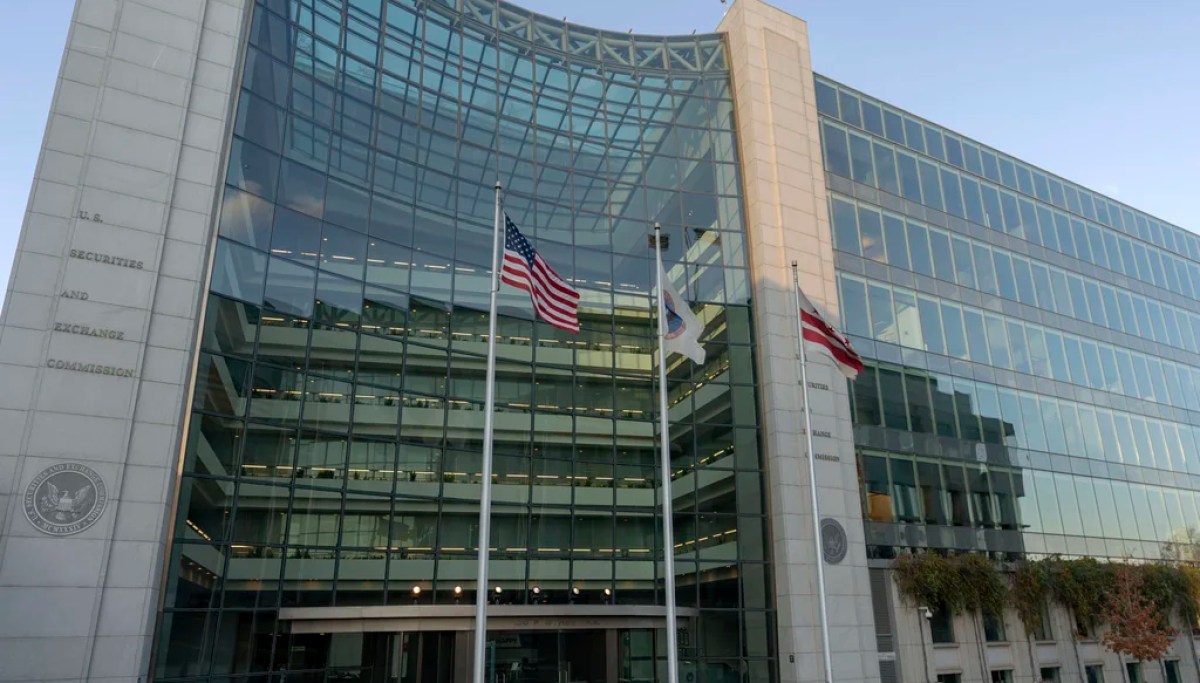
The Securities and Exchange Commission wants to modernize how people receive important financial information.
asserted
people → want → information
But its proposed Regulation E-Delivery confuses modernization with compulsion and would place the greatest burden on the investors least prepared to bear it.
asserted
Delivery → propose → it
Today, investors generally receive documents required under federal securities laws on paper unless they affirmatively choose electronic delivery.
asserted
they → receive → delivery
The SEC proposes reversing that arrangement.
asserted
SEC → propose → arrangement
Prospectuses, shareholder reports, proxy statements, trade confirmations, and other disclosures could be delivered electronically without an investor’s prior consent.
uncertain
Prospectuses → deliver → consent
Recommended Stories
Investors could still request paper.
uncertain
Investors → request → paper
Those already receiving paper would receive two mailed notices explaining the transition and their right to opt out of electronic delivery.
asserted
Those → receive → delivery
That may sound like a reasonable compromise.
uncertain
That → sound → compromise
But it changes who must act — and who pays the price for failing to do so.
asserted
who → change → price
Under the present system, investors who prefer electronic delivery can choose it.
asserted
who → prefer → it
Under the proposed system, investors who rely on paper must recognize the notices, understand their significance, and complete whatever process is required to preserve the delivery method they already use.
asserted
they → propose → method
The SEC is not eliminating friction.
asserted
SEC → eliminate → friction
It is transferring friction from financial institutions to individual investors.
asserted
It → transfer → investors
That burden will not fall evenly.
asserted
burden → fall → ?
People of different generations have developed different systems for receiving, reviewing, and retaining consequential financial information.
asserted
People → develop → information
For many younger investors, an emailed document or online portal is the natural archive.
asserted
document → email → investors
The numbers bear this out.
asserted
numbers → bear → this
Older people have moved online in large numbers, but many remain wary of doing consequential business there.
asserted
many → move → business
Pew Research Center has found that roughly one-third of older internet users have little or no confidence in their ability to perform online tasks, and nearly half say they need someone else to set up or explain a new device.
asserted
they → find → device
Researchers studying paper versus web questionnaires have reached a parallel conclusion: Most older adults still lean toward paper, and those who rely on it are markedly more likely to drop out when the paper option disappears.
asserted
option → study → it
That is precisely the behavior a paper-to-digital default would trigger.
asserted
default → trigger → digital
A paper statement sitting on the kitchen table remains visible until someone deals with it.
asserted
someone → sit → it
It can be annotated, compared with an earlier statement, placed in a tax file, or handed to a spouse, adult child, accountant, or financial adviser.
asserted
It → annotate → spouse
An electronic notice can disappear into a spam folder, an overcrowded inbox, or an email account the investor no longer regularly checks.
asserted
investor → disappear → folder
It may direct the recipient to a portal whose password has been forgotten or require several steps to locate a document that once arrived automatically.
uncertain
that → direct → document
The proposal also risks aggravating a cybersecurity problem that regulators and financial institutions have spent years teaching consumers to avoid.
asserted
regulators → risk → consumers
Under the rule, documents containing personal financial information would not arrive by email at all — instead, investors would receive a notice directing them to log into a website to retrieve the material.
asserted
investors → contain → material
Yet that is the very pattern consumers are warned to distrust.
asserted
consumers → warn → ?
The Federal Trade Commission tells people that legitimate companies won’t send a link asking you to update account information and to avoid clicking links in unexpected messages.
asserted
companies → tell → messages
The Office of the Comptroller of the Currency and the Federal Deposit Insurance Corporation give the same instructions.
asserted
Office → give → instructions
An electronic delivery system built around “sign in to retrieve your document” emails would normalize the exact behavior a decade of anti-fraud education has tried to stamp out.
asserted
decade → build → education
None of this means electronic delivery should be discouraged.
asserted
delivery → mean → this
Investors who prefer it should have fast, reliable, and accessible electronic options.
asserted
who → prefer → options
Digital disclosure can reduce costs, accelerate delivery, and make information easier to search.
asserted
information → reduce → delivery
But expanding one option does not require placing another behind an administrative barrier.
asserted
expanding → expand → barrier
The proper default depends on what affirmative consent is being used to accomplish.
Requiring someone to opt into an additional service can protect individual choice.
asserted
opt → use → choice
TSA PreCheck, for example, allows travelers to provide additional information voluntarily in exchange for expedited screening.
asserted
travelers → allow → screening
Someone who declines remains free to use ordinary airport screening.
asserted
who → decline → screening
Affirmative consent is also appropriate before a company makes a secondary use of sensitive consumer information.
asserted
company → make → information
In that setting, inaction protects the individual’s existing position.
asserted
inaction → protect → position
…and 14 more, not listed.
 The Aporia