Story summary
Chuck Schumer, the Senate Minority Leader and Democratic leader since 2017, is confident about Democrats winning the upcoming midterm elections but faces uncertainty from his own candidates regarding their backing of him as leader. Despite this, Schumer asserts he will run for re-election to retain his position regardless of whether Democrats win or lose control of the Senate.
Some candidates who may influence the balance of power in the Senate are reluctant to support Schumer’s leadership. For instance, Adam Hamilton, a Democratic candidate challenging incumbent Senator Roger Marshall in Kansas, explicitly stated that he won’t endorse Schumer for leader due to a desire for "new ideas and fresh leadership."
Furthermore, Abdul El-Sayed in Michigan and Lt. Gov. Peggy Flanagan in Minnesota, despite welcoming financial support from the Senate Majority PAC closely aligned with Schumer, have been noncommittal about endorsing him as their leader after winning their primaries earlier this year.
This reluctance among key Democratic candidates underscores a potential leadership challenge for Schumer, even if Democrats gain control of the Senate.
Written for “Schumer Leadership Challenges” on 2026-10-09,
grounded in this article and the 0 other(s) covering the same event.
Why this leaning score
The model judged this article politically coded and scored it +0.35, but 1 quote(s) could not be found in the article and the other 1 are attributed speech rather than the article's own narration, so the score is not published.
Written under an earlier scoring contract, which gave a paragraph
rather than checkable quotes. Re-analysing this article replaces it.
Leaning score withheld for article 67937: no verified evidence · logged 2026-10-09
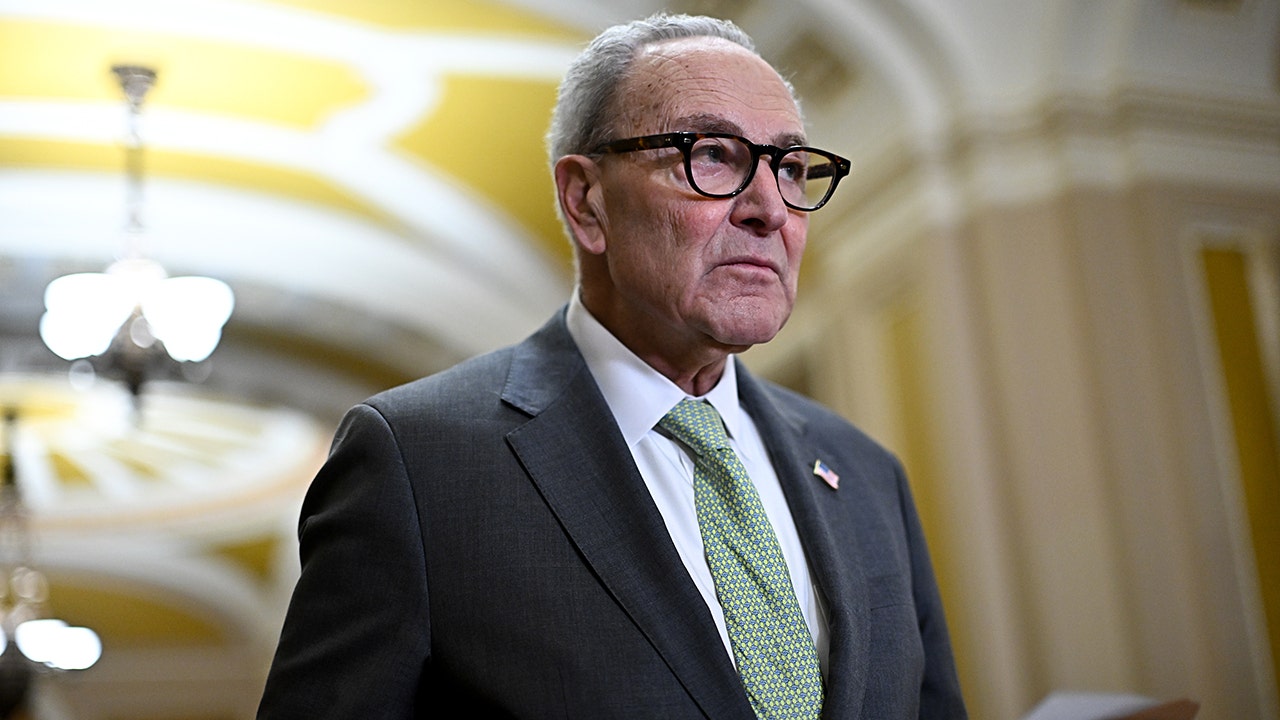
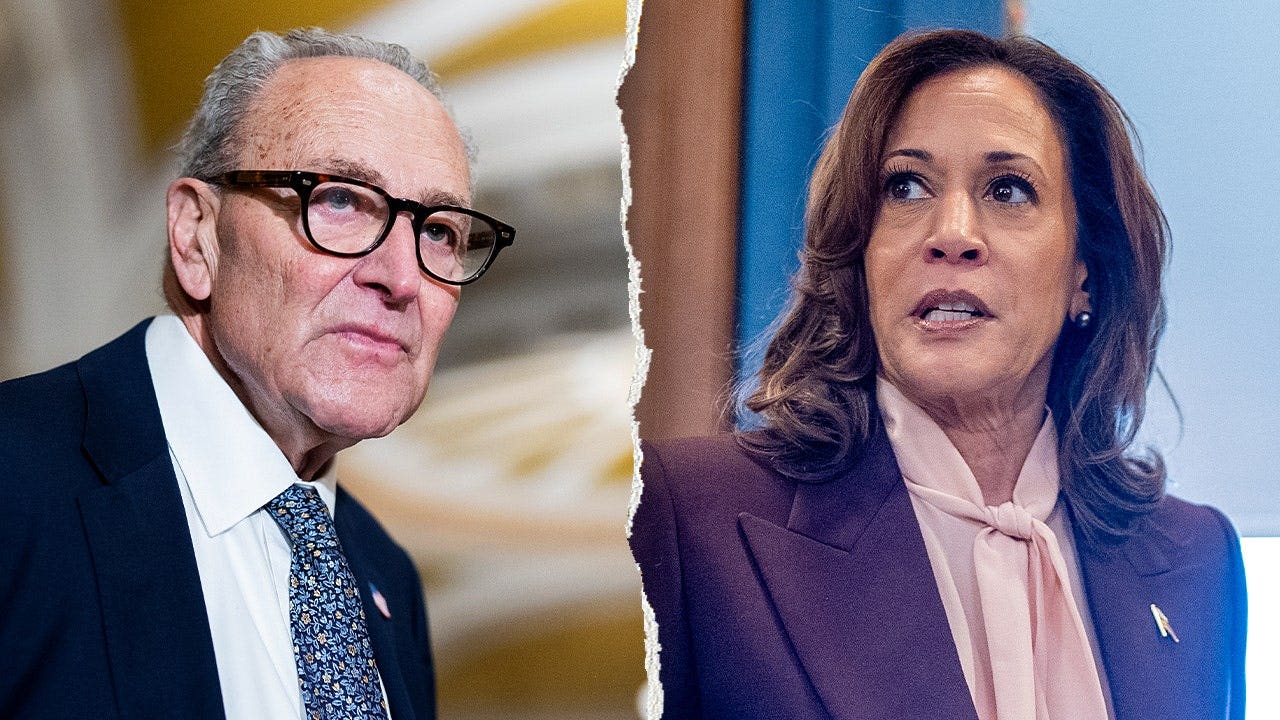
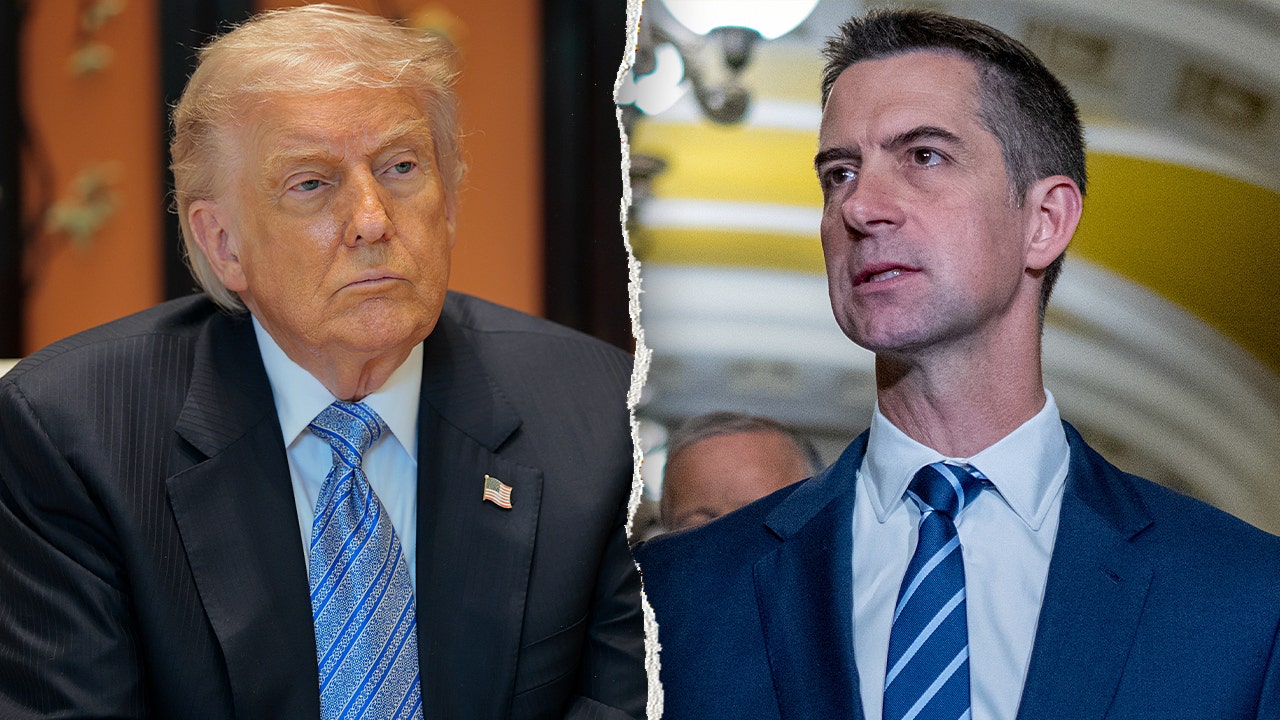
Senate Minority Leader Chuck Schumer, D-N.Y., is confident that Democrats will win the Senate, but whether they support him as leader remains to be seen.
asserted
support → win → leader
Schumer, who has led the Senate Democratic Caucus since 2017, believes that Democrats have "wind in our sails" heading into what some Republicans fear could be a brutal midterm election in November.
uncertain
Republicans → lead → November
And win or lose, he plans to retain his spot as the top Democrat in the Senate.
asserted
he → win → Senate
"I am running for re-election for leader," Schumer told Politico.
asserted
Schumer → run → Politico
But some of his own candidates on the trail running in elections that could shape the balance of power in the Senate aren’t keen on supporting him to once again lead Senate Democrats since he took the mantle from his friend and mentor, the late Sen. Harry Reid, D-Nev.
Adam Hamilton, who has gained enough ground on incumbent Sen. Roger Marshall, R-Kan., in ruby-red Kansas to make it a toss-up race, reiterated this week that he won’t support Schumer for leader in either a majority or minority.
uncertain
he → run → majority
"And no disrespect for him at all, it's just that I think we need new ideas," Hamilton told CBS News.
asserted
Hamilton → think → News
"We need new ideas, we need fresh leadership.
asserted
we → need → leadership
I support term limits.
asserted
I → support → limits
I support age limits, and I just think there's a time where we need to have new and fresh leadership coming in, and I think this is one of those times."
asserted
this → support → times
He’s not alone, either.
asserted
He → ’ → ?
Both Abdul El-Sayed in Michigan and Lt. Gov. Peggy Flanagan in Minnesota have been noncommittal — during and after their primary victories earlier this year — with their support of Schumer, despite both welcoming dollars from the Senate Majority PAC, the political action committee closely aligned with the Democratic leader.
asserted
both → welcome → leader
Fox News Digital reached out to both campaigns for comment.
asserted
Digital → reach → comment
Since the 2024 election, when Schumer lost the Senate, Democrats have quietly questioned a new path in leadership.
asserted
Democrats → lose → leadership
Those conversations emerged twice last year — when Schumer refused to allow a shutdown early in President Donald Trump’s term, and when he was unable to prevent Democrats from jumping ship to end the longest full government shutdown in history.
asserted
he → emerge → history
While many Democratic senators won’t publicly engage with the topic of replacing Schumer, Sen. Elissa Slotkin, D-Mich., did.
asserted
Slotkin → engage → Schumer
Earlier this year she argued that Democrats were still reeling from the 2024 election, and that "every day, there’s a debate within the party about the path forward."
asserted
Democrats → argue → path
"That’s why I believe we need significant new leadership," Slotkin said.
asserted
Slotkin → ’ → leadership
"The old models are no longer working, and that includes the Democratic Party."
asserted
that → work → Party
One lawmaker has emerged as a possible replacement who has the backing of progressives, including El-Sayed: Sen. Chris Van Hollen, D-Md.
Van Hollen declined to say whether he would mount a bid against Schumer, but said before leaving Washington, D.C., last month that the midterms were "all I am focused on.
asserted
I → emerge → Washington
Other Democrats aren’t quick to weigh in, either.
asserted
Democrats → weigh → ?
When asked if retaking the upper chamber could strengthen Schumer’s hand, Sen. Chris Murphy, D-Conn., declined to say.
uncertain
Murphy → ask → hand
"I’m not doing those questions now," Murphy said.
asserted
Murphy → do → questions
 The Aporia