That is 0 articles you have read today.
The Aporia is free and carries no advertising, so readers are the only
thing paying for it. If you are getting this much out of it, a small
donation is what keeps it independent.
Daily limit reached
You have read 0 articles today.
That is more than the 15 a day The Aporia gives away,
and well past what it can carry on nothing. Your allowance resets at
midnight.
There is no advertising here and nothing about you is sold, so readers
are the only thing paying for it. If the site is worth this much of
your day, it is worth a few dollars.
Everything else stays open: the
maps, the
directory and
search do
not count against this, and neither does re-opening something you have
already read today.
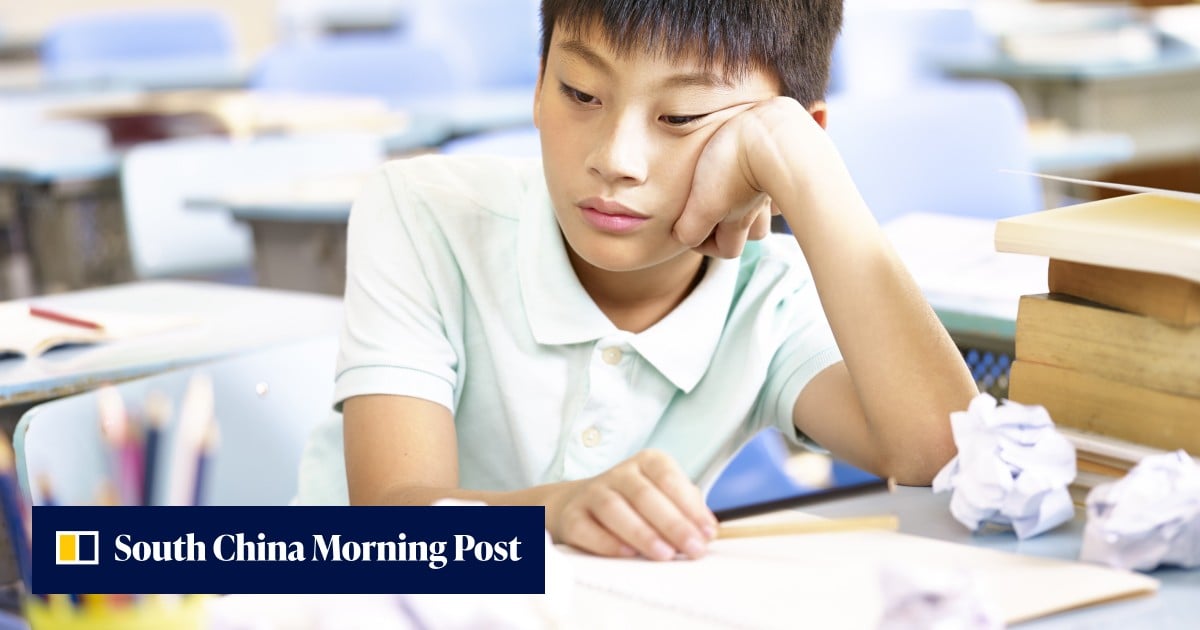
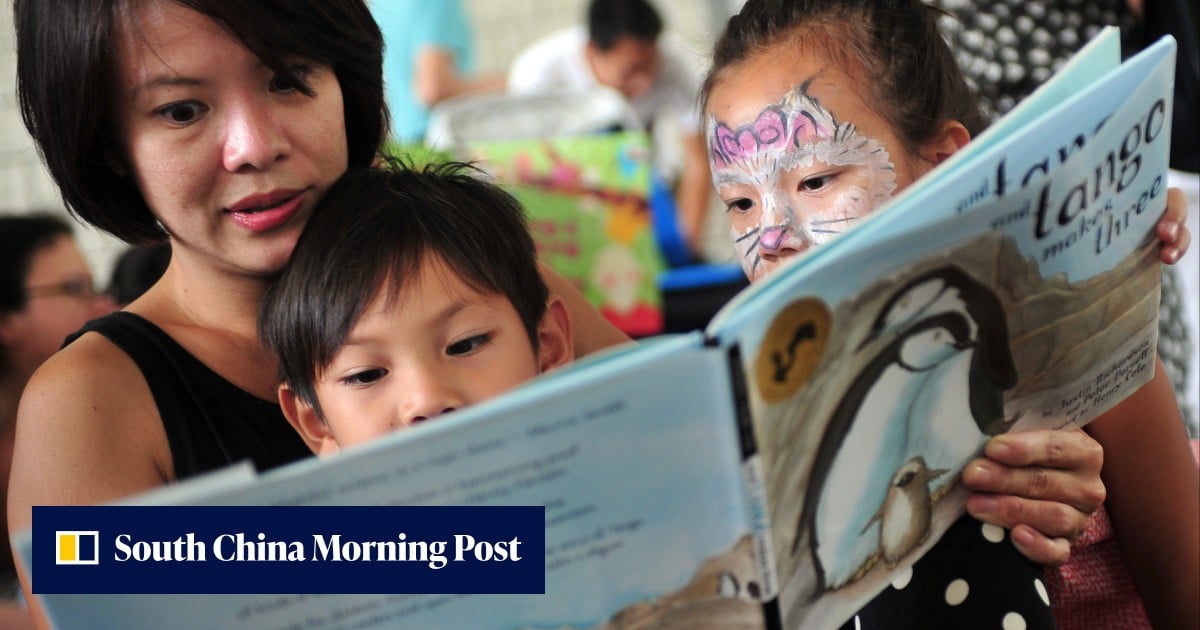
Grace, a 38-year-old Singaporean mother and founder of a creative agency, enrolls her two children in Chinese private tuition at age three to provide them with greater exposure to their ancestral language. She acknowledges pressure from other parents who also enroll their young children in multiple classes to secure an academic advantage. The article highlights the widespread practice across Asia where parents invest heavily in private tutoring despite concerns about stress on children and economic disparities between families that can afford extra lessons and those that cannot.
Written locally by qwen2.5:14b on 2026-10-09,
using this article's own text rather than the other coverage of the
same event (that is the story summary below).
Story summary
In Singapore and South Korea, many Asian parents are enrolling their young children in private tutoring sessions to ensure they have a competitive academic advantage. Grace, a 38-year-old mother of two, started Chinese tuition for her kids when they were three years old. She initiated this despite neither she nor her partner speaking fluent Mandarin at home. Grace acknowledges the societal pressure driving such decisions but also recognizes that not all families can afford these extra classes, highlighting an increasing disparity between socioeconomic groups. This trend is causing concern due to its potential impact on children's well-being and educational equity across Asia.
Written for “Asian Tutoring Competition” on 2026-10-09,
grounded in this article and the 0 other(s) covering the same event.
Why this leaning score
The article's own words the score was based on. Each is quoted
verbatim and was checked against the article text before being
stored, so you can find it in the original.
Leaning: leans left for article 67837 (medium confidence, 1 verified quote) · logged 2026-10-09
Claims extracted
7
claim-shaped sentences
Uncertain
0%
0 of 7 hedged
Leaning
Leans left
of the writing, not the subject · beta estimate
Correction & hedging signals
66.7
corrections and hedging in what we collected;
not a measure of accuracy
Outlets on this story
1
Education
Narrative spread
1
articles carrying this framing
Why Asian parents are trapped in a private tuition arms race
From Singapore to South Korea, fear of falling behind fuels a costly cycle of extra lessons despite the toll it takes on children
asserted
it → trap → children
Grace often hears other Singapore mothers debating how much private tuition their children need.
asserted
children → hear → tuition
Some rush to enrol their offspring in multiple classes before they turn five, while others try to resist the pressure to add lessons outside school.
asserted
others → rush → school
She enrolled her two children, now aged four and seven, in Chinese tuition when they were three to give them greater exposure to their ancestral tongue.
asserted
they → enrol → tongue
“Neither of their parents speaks fluent Mandarin at home …
asserted
Neither → speak → home
I guess there is some degree of pressure involved too,” said Grace, 38, the founder of a creative agency.
asserted
Grace → guess → agency
Her dilemma reflects a wider tension across Asia, where parents continue to invest in private tuition to give their children an academic edge, despite growing concerns over the stress placed on young learners and the widening gap between families who can afford extra classes and those who cannot.
asserted
who → reflect → classes
 The Aporia